Eye exam phoropter
1344×768 · AVIF · CC BY 4.0
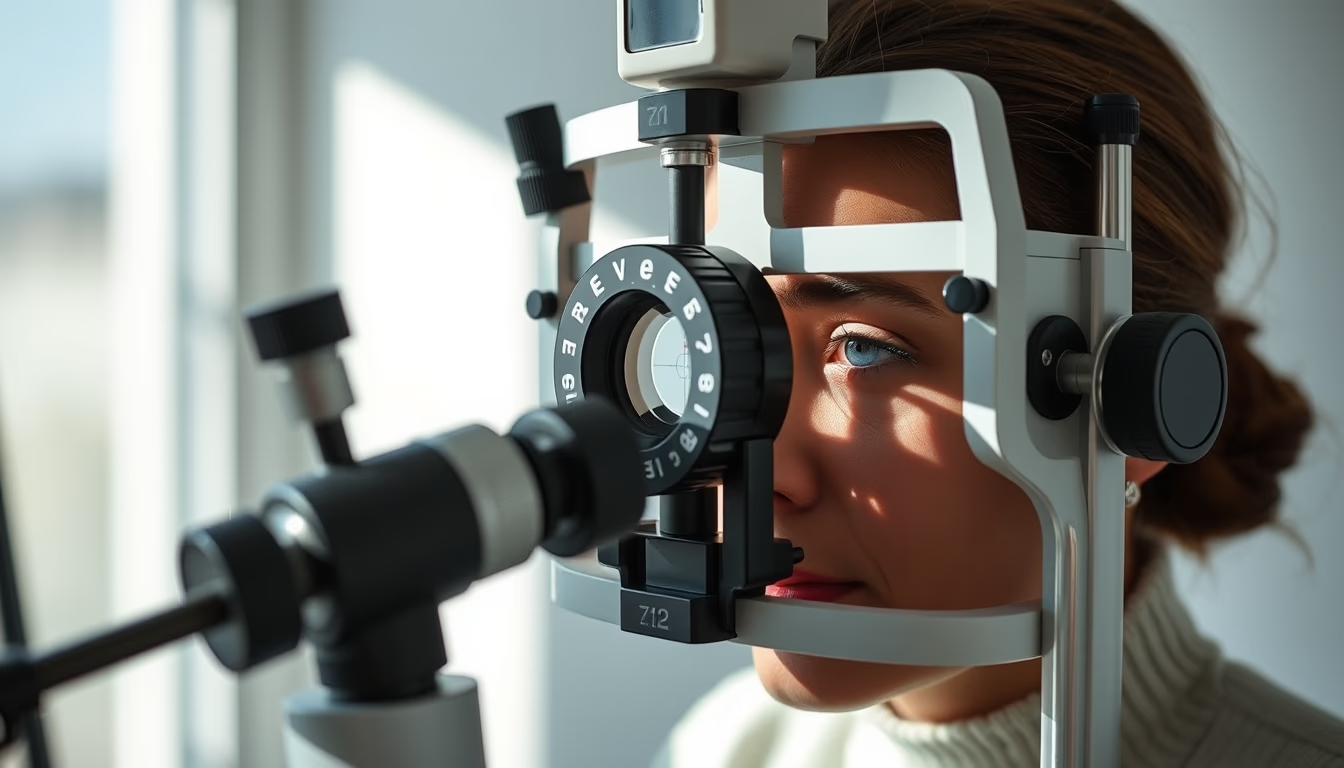
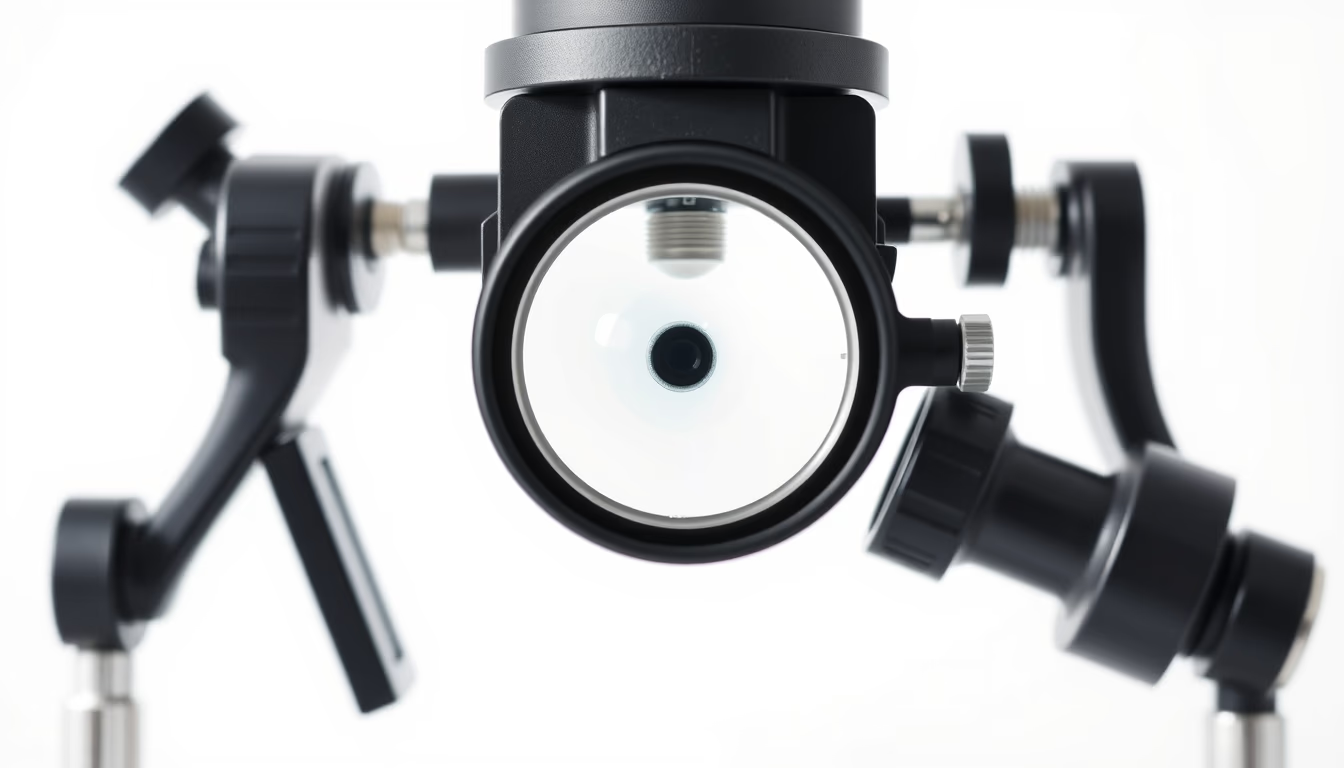
The phoropter is the ophthalmic instrument used to measure the refractive error of the eye and determine the prescription for glasses or contact lenses.
About this subject
The phoropter, also known as a refractor, is an essential instrument in ophthalmology clinics and optical stores. It allows the ophthalmologist or optometrist to test different lens combinations to find the ideal visual correction for each patient. The device contains a series of spherical, cylindrical, and prismatic lenses that can be rotated and positioned in front of the person's eyes during the refraction examination.
The modern instrument evolved from the 19th century, with significant advances made by opticians like Edward Jackson. The phoropter replaced more primitive methods, such as using individual trial frames. There are manual and automated models: automatic ones, called auto-refractors, speed up the process but still require professional confirmation. The test with the phoropter is often complemented by retinoscopy, which provides an initial estimate of the refractive error.
Lens power is measured in diopters. During the exam, the patient looks at a Snellen chart or other visual target while the doctor adjusts the lenses, asking “which lens is better, the first or the second?” This subjective process refines the prescription. The phoropter can also measure near vision and assess ocular convergence. Its accuracy is crucial to avoid prescription errors that can cause eye strain, headaches, or blurred vision.
Interesting fact: there are digital phoropters that store patient data and allow remote adjustments. However, the basic principle remains the same since its invention. The instrument is a symbol of eye health care and technology serving quality of life.
Frequently Asked Questions
What is the purpose of a phoropter?
The phoropter measures the refractive error of the eyes to determine the prescription for glasses or contact lenses by adjusting lenses of different powers in front of the patient's eyes.
How long does an exam with a phoropter take?
The subjective exam with a phoropter typically takes 5 to 15 minutes, depending on the complexity of the case and the patient's responses.
Is there a difference between manual and automatic phoropters?
Yes. Manual ones require the doctor to physically turn lenses, while automatic ones (auto-refractors) use motors and software to present lenses, but the final decision always relies on the professional's assessment.
Direct URL
https://pub-c7d6a6ea828543ac903a74a341ccb2e1.r2.dev/imagens/eye-exam-phoropter-minimalist-composition-p3.avifHow to credit
Include a visible link back to UtilizAí. Copy one of the snippets below:
<a href="https://xn--utiliza-eza.com/en/midia/imagens/eye-exam-phoropter-minimalist-composition-p3">Eye exam phoropter</a> by <a href="https://xn--utiliza-eza.com">UtilizAí</a>, licensed under <a href="https://creativecommons.org/licenses/by/4.0/">CC BY 4.0</a>.
[Eye exam phoropter](https://xn--utiliza-eza.com/en/midia/imagens/eye-exam-phoropter-minimalist-composition-p3) by [UtilizAí](https://xn--utiliza-eza.com), CC BY 4.0
License: CC-BY-4.0