Extra virgin olive oil bottle
1344×768 · AVIF · CC BY 4.0
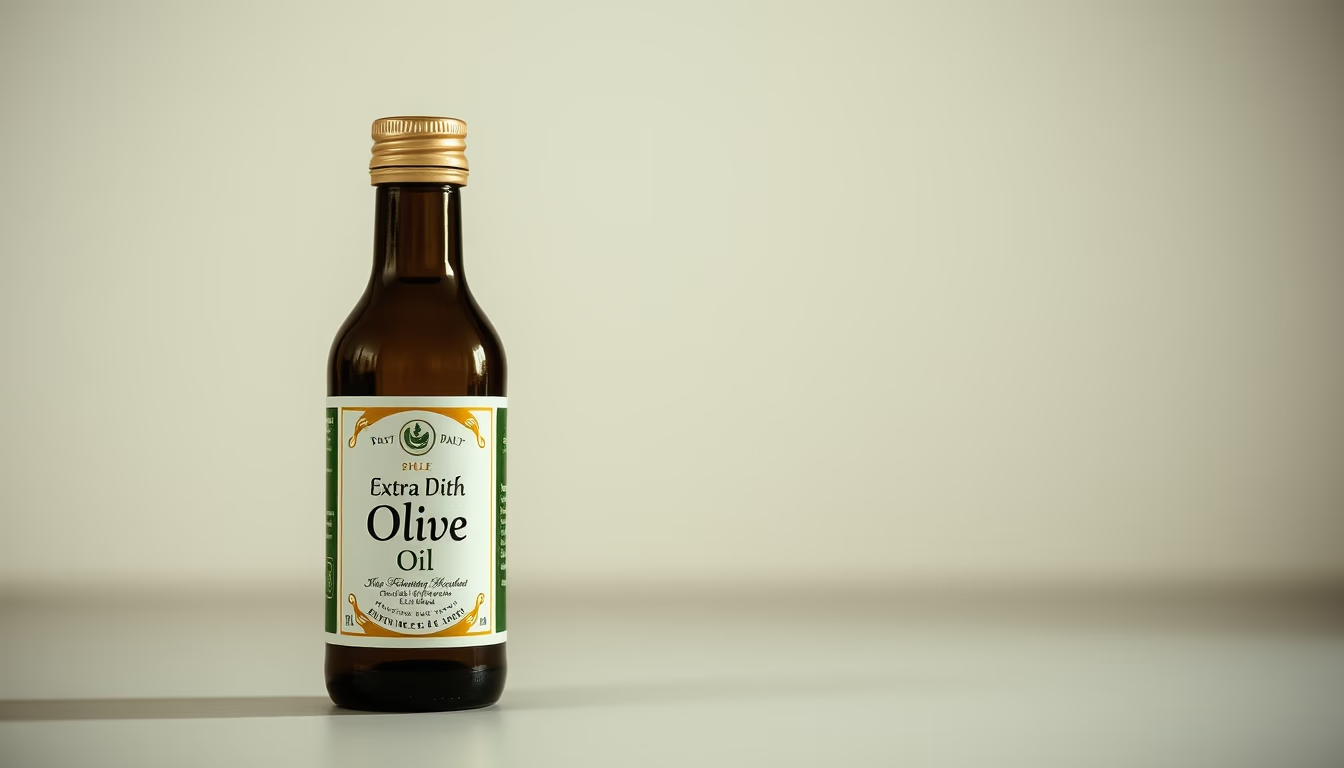
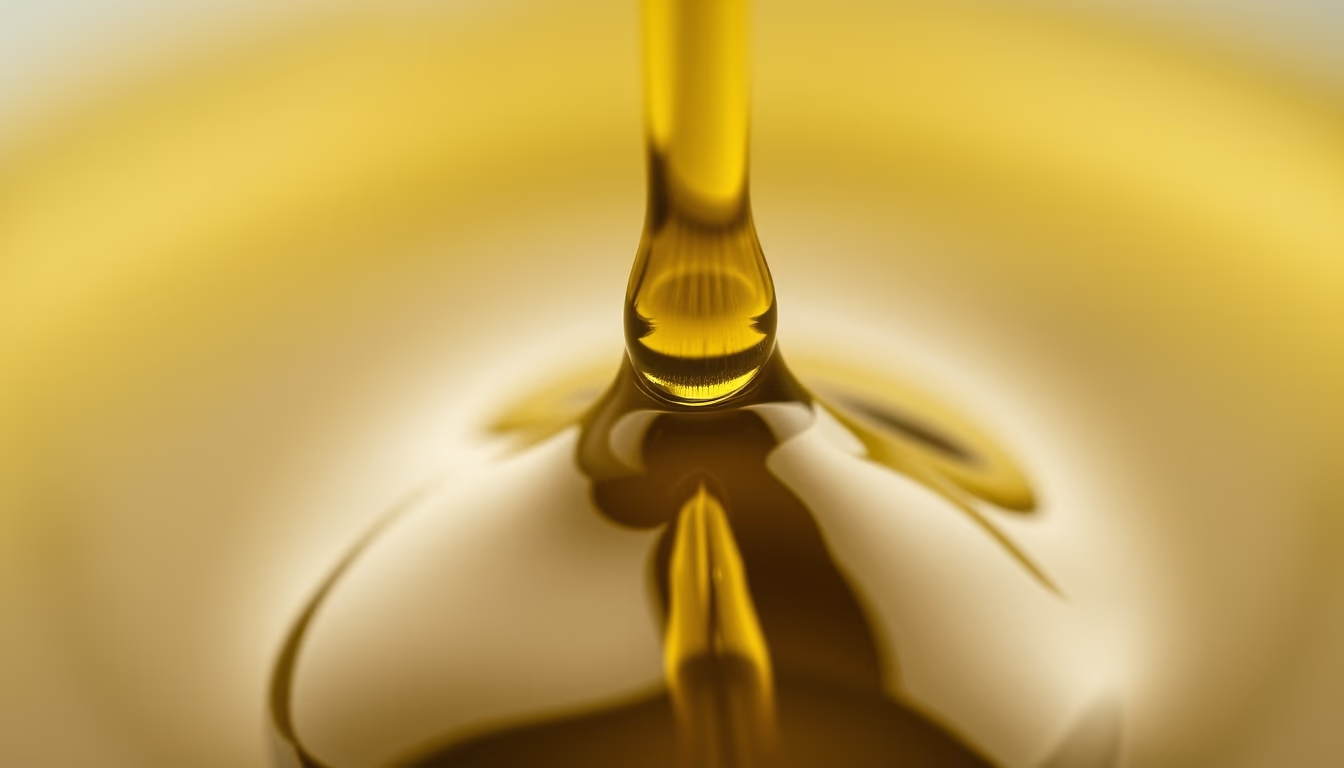
Extra virgin olive oil bottle: learn about purity standards, production processes, and the importance of this ingredient in Mediterranean and Brazilian cuisine.
About this subject
Extra virgin olive oil is the highest quality and healthiest grade of olive oil, obtained solely through mechanical cold pressing (below 27°C) without any chemical treatments. To be classified as extra virgin, the oil must have free acidity below 0.8% (about 0.5 g per 100 g) and show no sensory defects. This purity preserves bioactive compounds such as polyphenols (natural anti-inflammatories) and vitamin E, which help reduce the risk of cardiovascular diseases.
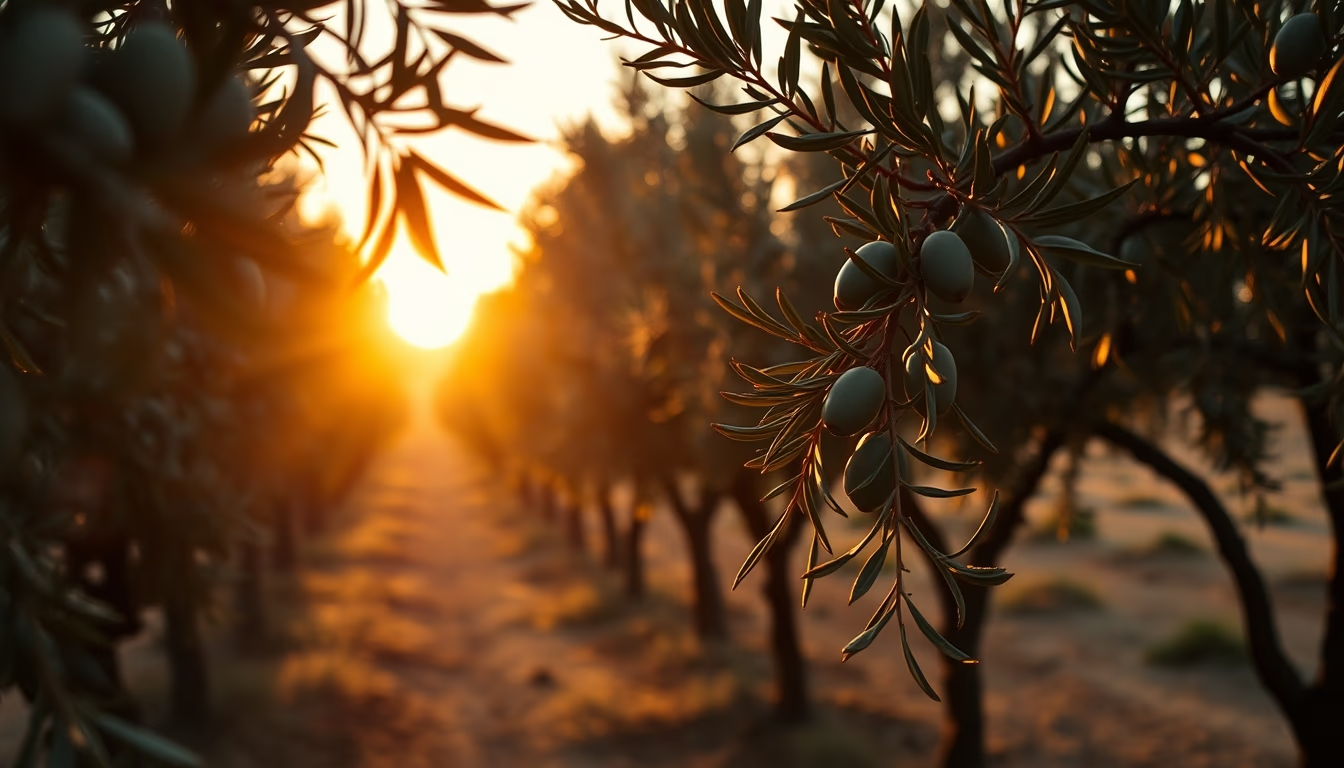
Production starts with harvesting olives manually or mechanically, then washing and grinding them into a paste. This paste is slowly mixed (malaxation) to release oil droplets, which are separated by centrifugation or pressing. Leading producers include Spain, Italy, Greece, and Portugal, but Brazil is emerging in regions with mild climates such as Serra da Mantiqueira (MG) and Campanha Gaúcha (RS).
In Brazilian cuisine, extra virgin olive oil is prized for finishing salads, pastas, and bruschettas, as well as for typical dishes like chili oil, garlic oil, and even desserts such as ice cream. Its smoke point is relatively low (around 160°C), so it is not recommended for deep-frying, though it can be used for quick sautéing. Storage should be in a dark, cool place away from air, ideally in dark bottles that block UV light.
A notable fact: counterfeit extra virgin oils are a global issue. Brazil has strict quality parameters from MAPA and Inmetro, including tests for acidity, peroxidation, and fatty acid profile. Savvy consumers can look for certification seals (like Protected Designation of Origin, PDO) and harvest dates to ensure authenticity.
Frequently Asked Questions
What is the difference between extra virgin, virgin, and refined olive oil?
Extra virgin is the highest quality: acidity ≤ 0.8% and cold extraction. Virgin has up to 2% acidity and is also pure. Refined oil undergoes chemical processes, losing flavor and nutrients, and is often blended with virgin oil and sold as 'pure'.
Can extra virgin olive oil be used for frying?
Yes, but cautiously. Its smoke point is around 160°C, lower than refined oils. For deep-frying, common olive oil or vegetable oil is better. For quick sautéing, extra virgin is safe and adds flavor.
How to identify a high-quality extra virgin olive oil?
Check the label: harvest date, acidity (≤ 0.8%), origin seals (DOP/IGP), and dark packaging. Beware of very low prices. In Brazil, brands certified by MAPA or Inmetro are more reliable.
Direct URL
https://pub-c7d6a6ea828543ac903a74a341ccb2e1.r2.dev/imagens/extra-virgin-olive-oil-bottle-lo-fi-disposable-camera-p9.avifHow to credit
Include a visible link back to UtilizAí. Copy one of the snippets below:
<a href="https://xn--utiliza-eza.com/en/midia/imagens/extra-virgin-olive-oil-bottle-lo-fi-disposable-camera-p9">Extra virgin olive oil bottle</a> by <a href="https://xn--utiliza-eza.com">UtilizAí</a>, licensed under <a href="https://creativecommons.org/licenses/by/4.0/">CC BY 4.0</a>.
[Extra virgin olive oil bottle](https://xn--utiliza-eza.com/en/midia/imagens/extra-virgin-olive-oil-bottle-lo-fi-disposable-camera-p9) by [UtilizAí](https://xn--utiliza-eza.com), CC BY 4.0
License: CC-BY-4.0