Extra virgin olive oil bottle
1344×768 · AVIF · CC BY 4.0
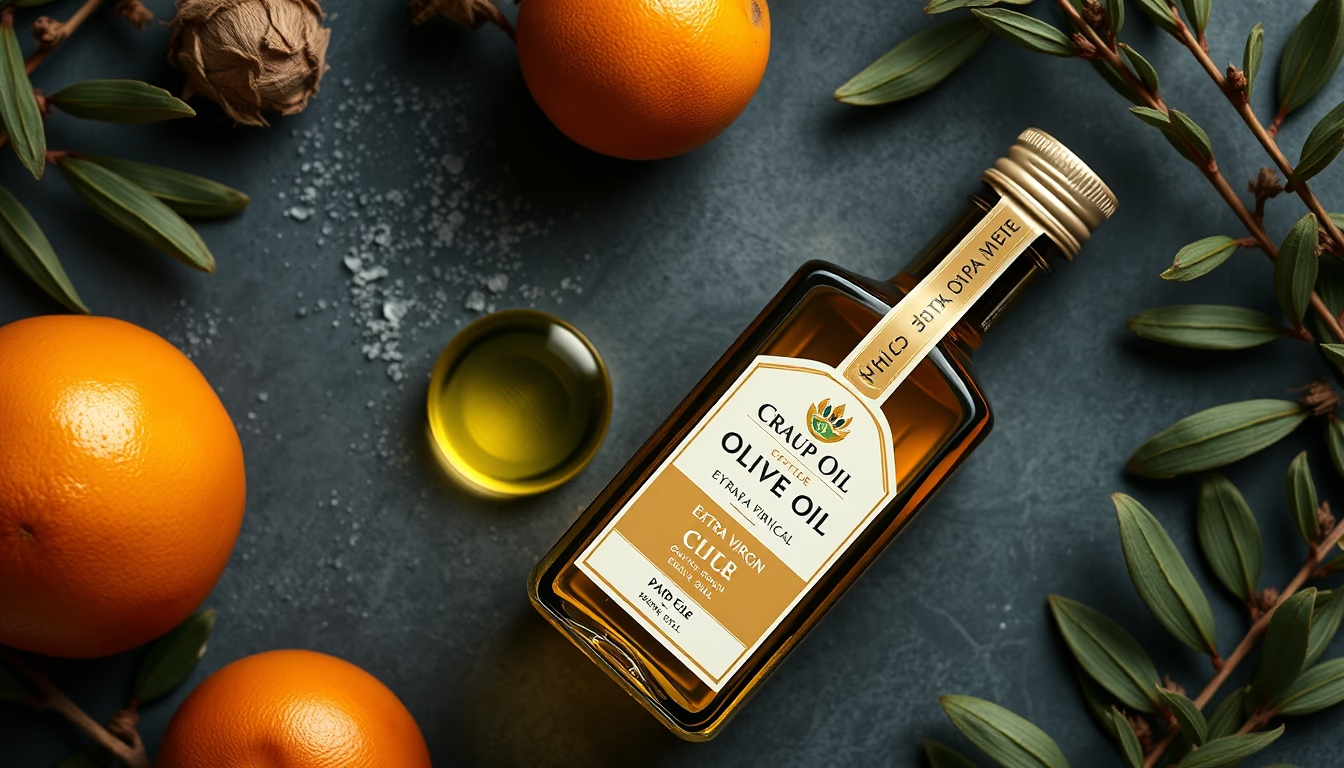
Extra virgin olive oil is the natural juice of olives, obtained through mechanical processes without solvents or high temperatures.
About this subject
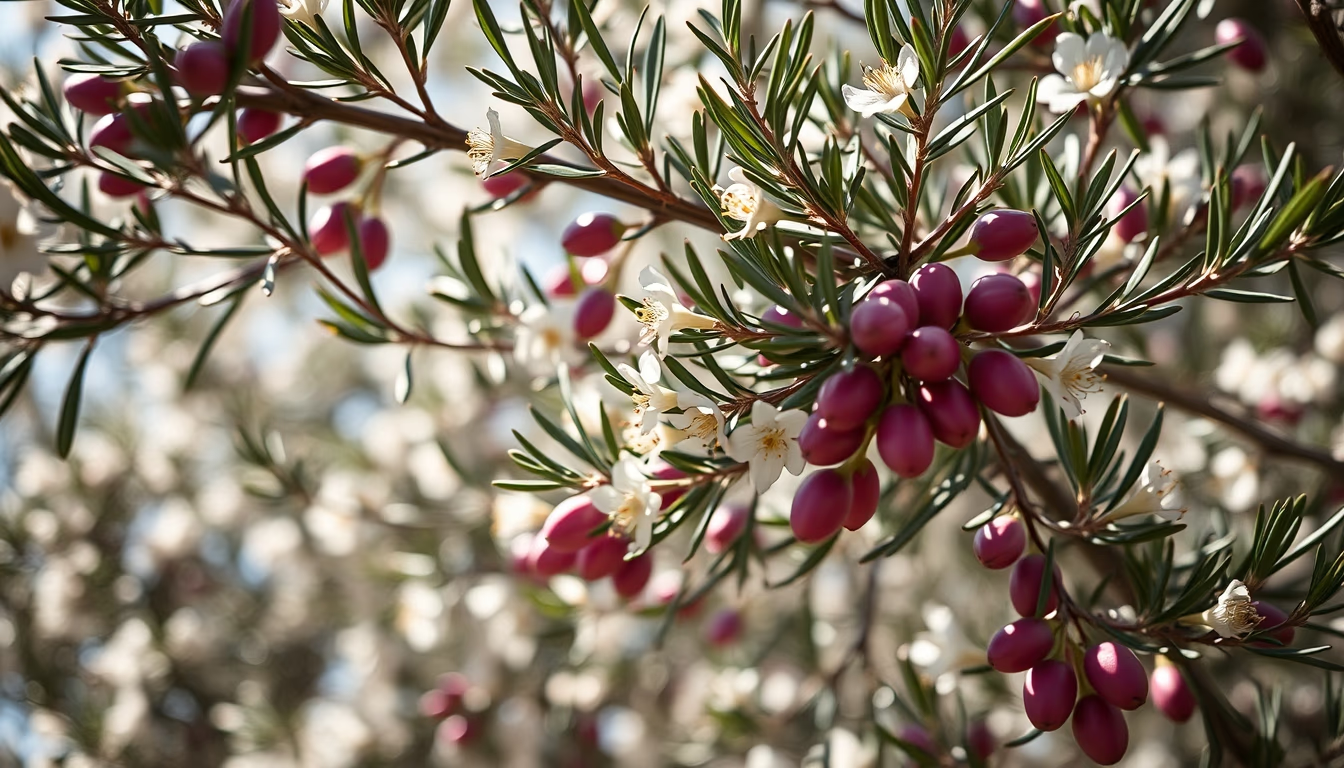
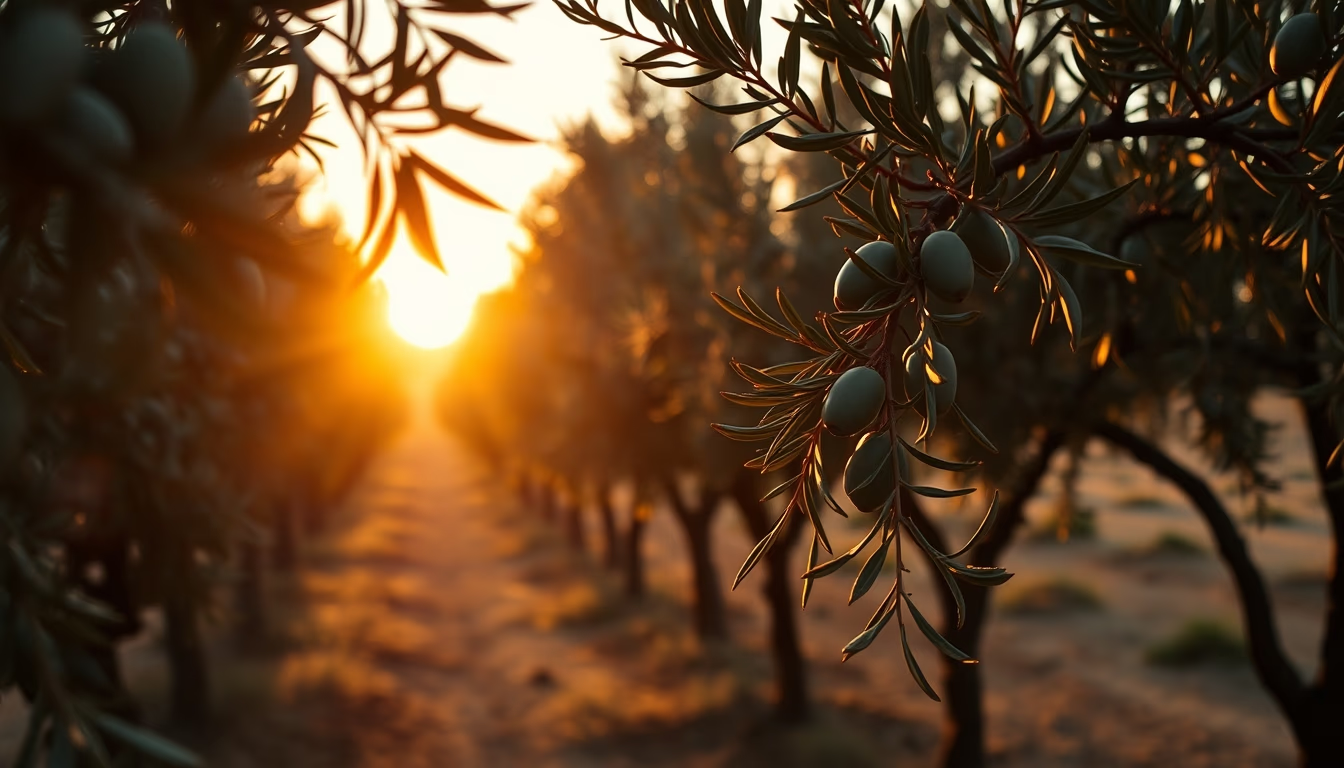
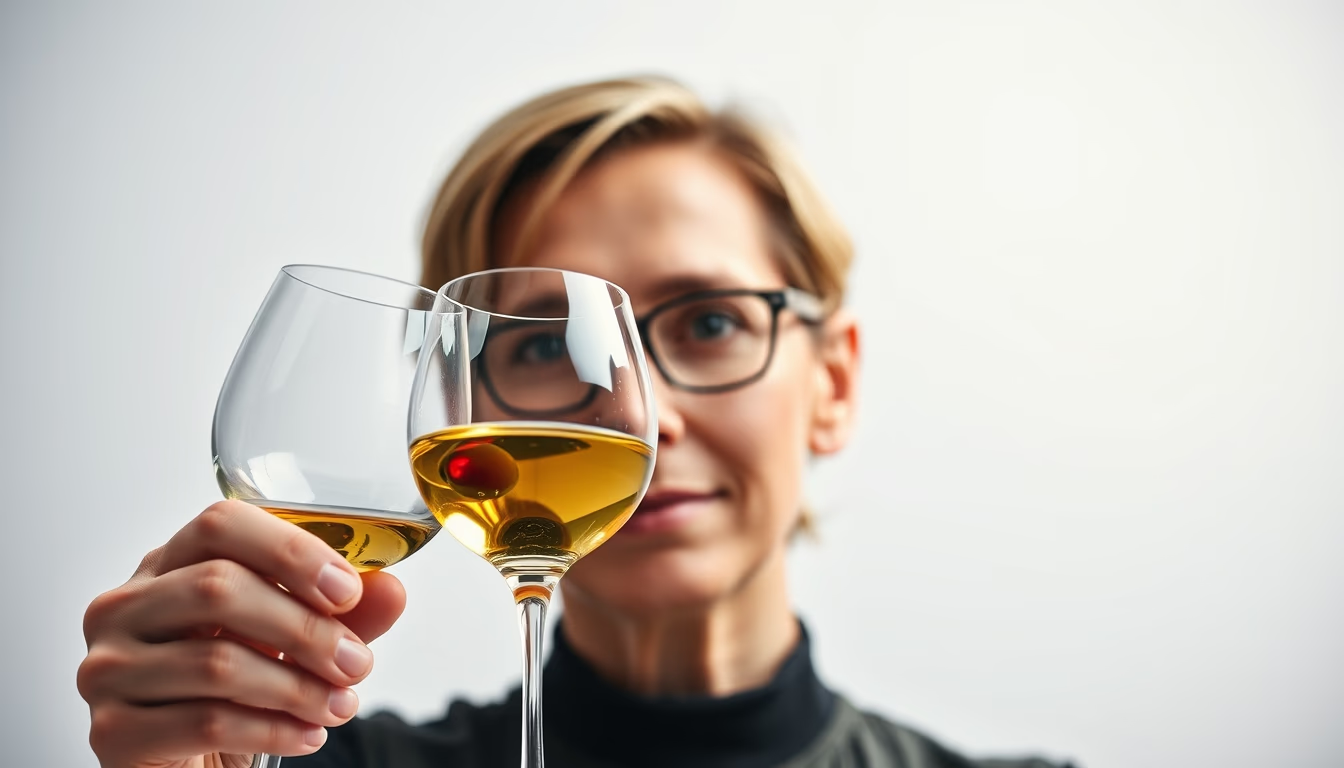
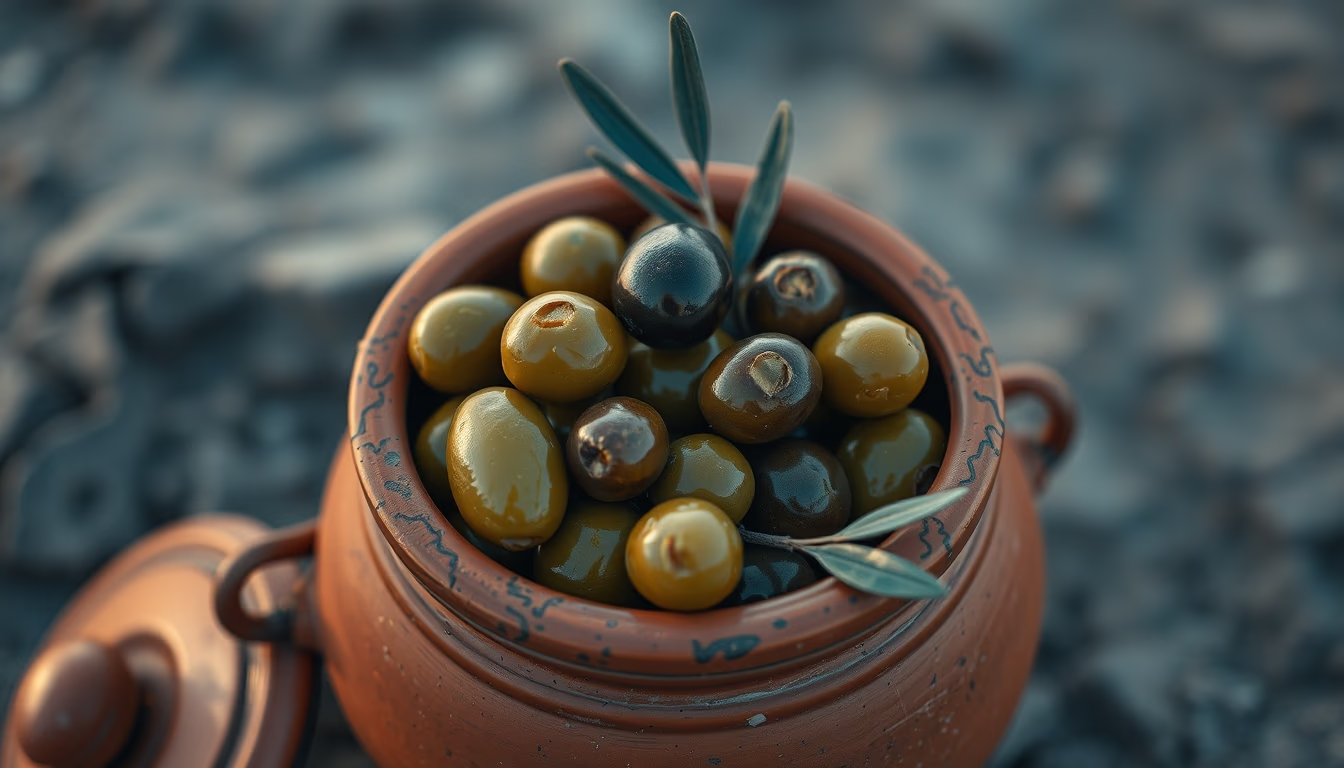
Extra virgin olive oil is classified as the purest and healthiest among olive oils. Its production requires careful harvesting and cold pressing (below 27°C) to preserve phenolic compounds and antioxidants. The maximum allowed free acidity is 0.8%, but the best oils often have acidity below 0.3%. Countries like Spain, Italy, and Greece lead global production, with Spain accounting for about 40% of the world's volume. In Brazil, production is smaller, concentrated in high-altitude regions of Serra da Mantiqueira (MG) and Campanha Gaúcha (RS), with around 150,000 liters annually. Extra virgin olive oil is rich in monounsaturated fats and polyphenols, linked to reduced cardiovascular risk. Interestingly, the term "virgin" refers to the extraction process, not to being unprocessed. European Union legislation requires extra virgin olive oil to be certified by sensory panels that evaluate attributes like fruitiness, bitterness, and pungency. These flavors are indicators of freshness and quality. Olive oil is a pillar of the Mediterranean diet, recognized by UNESCO as an intangible cultural heritage of humanity. Besides culinary use, it is used in cosmetics and traditional medicine. When buying, prefer dark bottles (which protect from light) and clear information about origin and harvest date.
Frequently Asked Questions
What is the difference between extra virgin and virgin olive oil?
Extra virgin has a maximum acidity of 0.8% and must pass sensory tests with no defects. Virgin can have up to 2% acidity and minor sensory flaws. Both are obtained by cold mechanical processes.
How should extra virgin olive oil be stored?
In a cool, dark place away from the stove. Light and heat accelerate oxidation. Dark or opaque bottles help. Ideally, consume within 12 months of the harvest.
Why is extra virgin olive oil bitter or pungent?
Bitterness and pungency are signs of freshness and the presence of polyphenols, beneficial antioxidants. They are more intense in new oils and varieties like Arbequina or Picual.
Direct URL
https://pub-c7d6a6ea828543ac903a74a341ccb2e1.r2.dev/imagens/extra-virgin-olive-oil-bottle-isometric-flat-lay-p12.avifHow to credit
Include a visible link back to UtilizAí. Copy one of the snippets below:
<a href="https://xn--utiliza-eza.com/en/midia/imagens/extra-virgin-olive-oil-bottle-isometric-flat-lay-p12">Extra virgin olive oil bottle</a> by <a href="https://xn--utiliza-eza.com">UtilizAí</a>, licensed under <a href="https://creativecommons.org/licenses/by/4.0/">CC BY 4.0</a>.
[Extra virgin olive oil bottle](https://xn--utiliza-eza.com/en/midia/imagens/extra-virgin-olive-oil-bottle-isometric-flat-lay-p12) by [UtilizAí](https://xn--utiliza-eza.com), CC BY 4.0
License: CC-BY-4.0