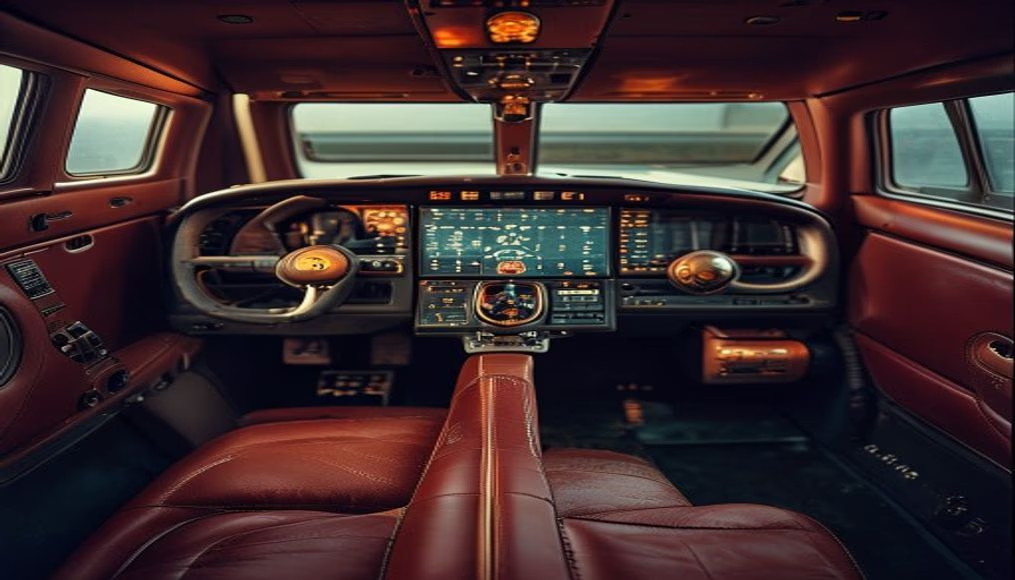
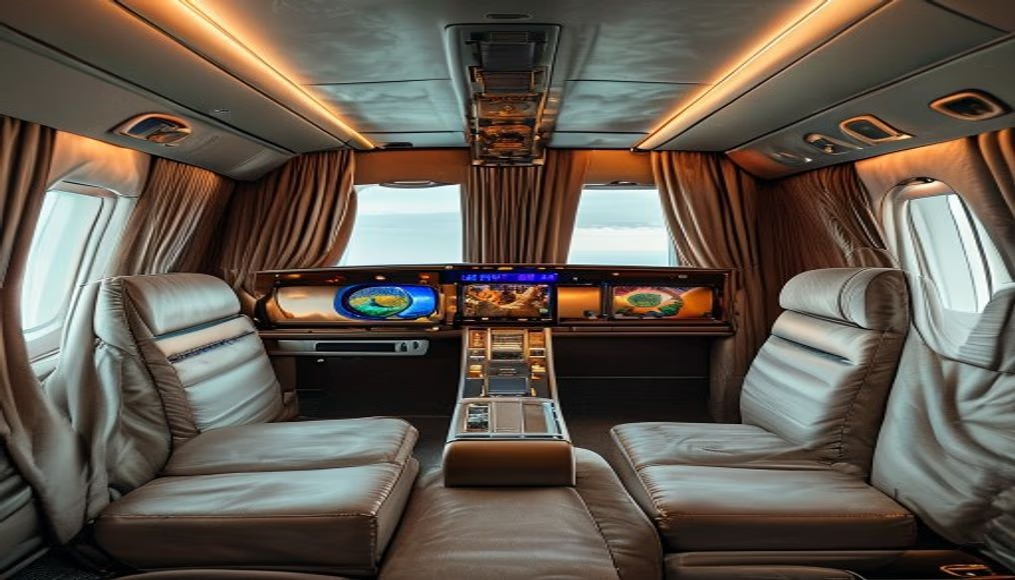
Expedition yacht arctic explorer
1344×768 · AVIF · CC BY 4.0
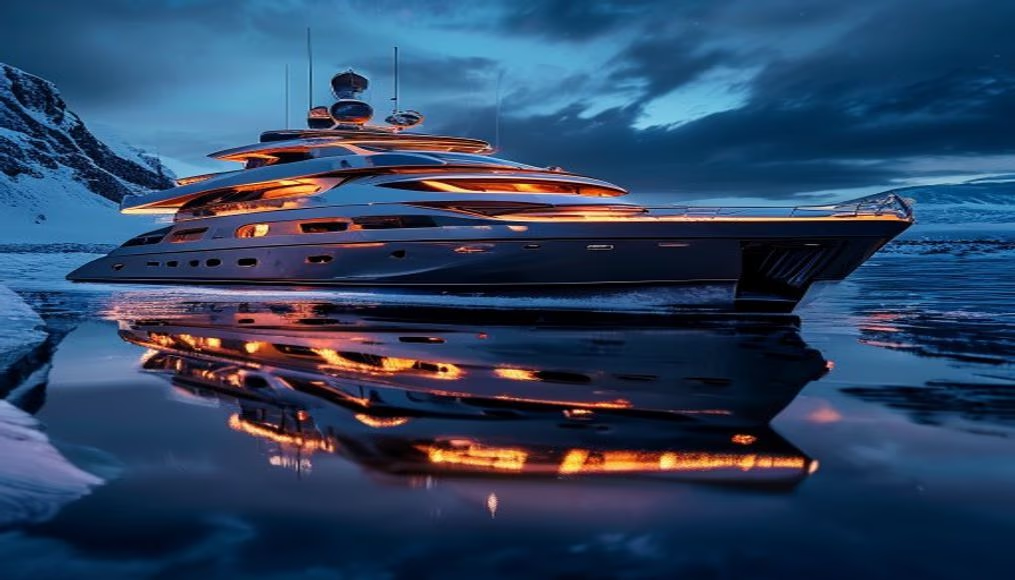
Expedition yachts for the Arctic blend extreme luxury with ice-navigation capability, offering comfort in harsh conditions.
About this subject
Expedition yachts are vessels designed to explore remote and inhospitable regions like the Arctic. Unlike traditional recreational yachts, these ships feature reinforced hulls for icebreaking, advanced navigation systems, and long-range autonomy. The expedition yacht market has grown in recent years, with shipyards such as Damen, Ulstein, and Finland's Turku Shipyard developing models specifically for the Arctic and Antarctica.
Luxury is not compromised: panoramic suites, helipads, spas, and even private submarines are common. An example is the 80-meter yacht "Sea Explorer," which includes a scientific laboratory and a sauna with glacier views. Indirect lighting and reflective surfaces are used to maximize scarce natural light, creating sophisticated environments amidst the ice.
These vessels are important beyond tourism. They are vital for climate research and environmental monitoring in the North Pole. With melting ice, routes like the Northwest Passage have become more accessible, but require technical preparation and experienced crew. The Arctic sailing season is short, from June to September, when sea ice retreats.
Trivia: the largest expedition yacht under construction, "Project REV," will be 182 meters long and capable of carrying two helicopters and a submersible. Daily operating costs can exceed $100,000, reflecting the high standard of maintenance and skilled crew.
Frequently Asked Questions
What sets an expedition yacht apart from a regular yacht?
Expedition yachts have reinforced hulls for icy waters, greater fuel autonomy, and navigation systems for extreme conditions, along with luxurious accommodations for long durations.
Which polar destinations are accessible to expedition yachts?
Main destinations include the Antarctic Peninsula, the Northwest Passage in Canada, Svalbard (Norway), and the coast of Greenland. The exact route depends on ice conditions and time of year.
Why are lighting and reflective surfaces important on these yachts?
In the Arctic, natural light is limited for much of the year. Indirect artificial lighting and reflective surfaces help create bright and inviting environments, compensating for darkness and enhancing passenger well-being.
Direct URL
https://pub-c7d6a6ea828543ac903a74a341ccb2e1.r2.dev/imagens/expedition-yacht-arctic-explorer-glamour-lighting-reflective-surface-luxo0.avifHow to credit
Include a visible link back to UtilizAí. Copy one of the snippets below:
<a href="https://xn--utiliza-eza.com/en/midia/imagens/expedition-yacht-arctic-explorer-glamour-lighting-reflective-surface-luxo0">Expedition yacht arctic explorer</a> by <a href="https://xn--utiliza-eza.com">UtilizAí</a>, licensed under <a href="https://creativecommons.org/licenses/by/4.0/">CC BY 4.0</a>.
[Expedition yacht arctic explorer](https://xn--utiliza-eza.com/en/midia/imagens/expedition-yacht-arctic-explorer-glamour-lighting-reflective-surface-luxo0) by [UtilizAí](https://xn--utiliza-eza.com), CC BY 4.0
License: CC-BY-4.0