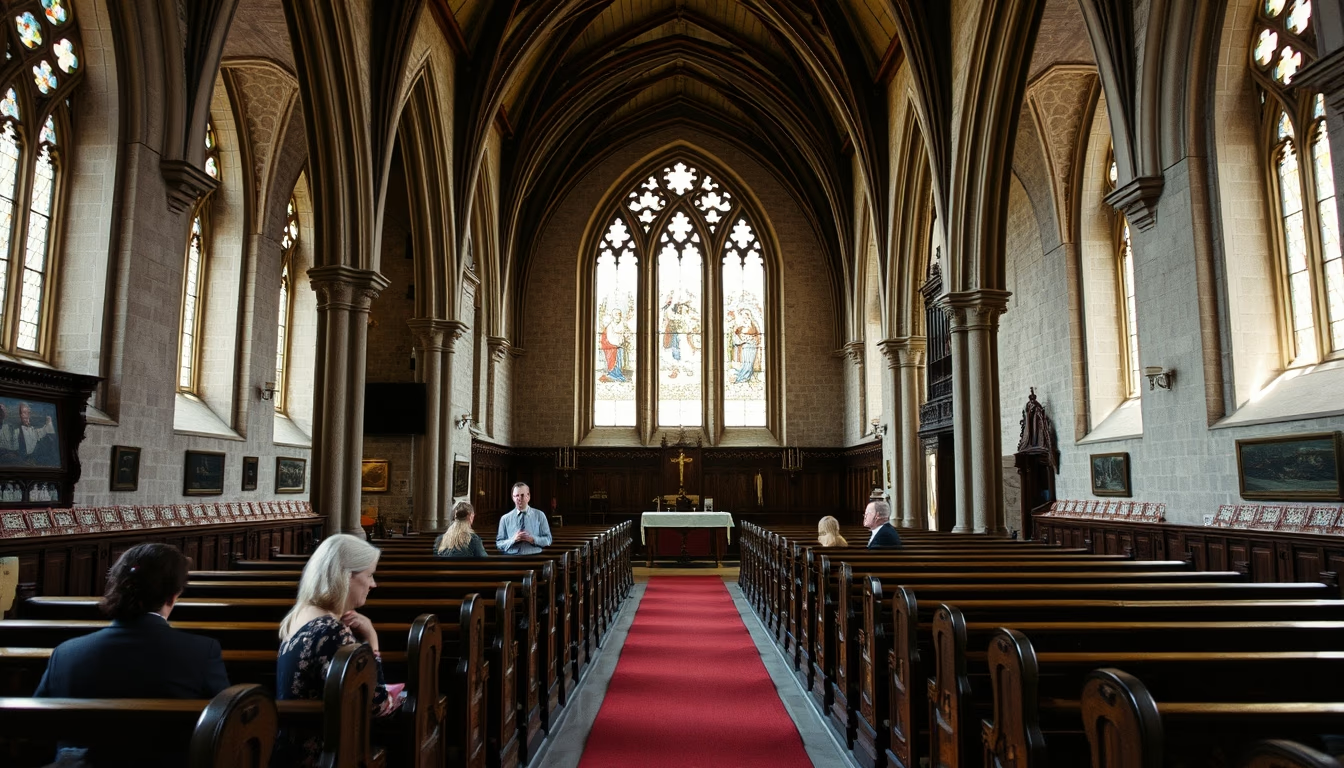
Eton chapel interior
1344×768 · AVIF · CC BY 4.0
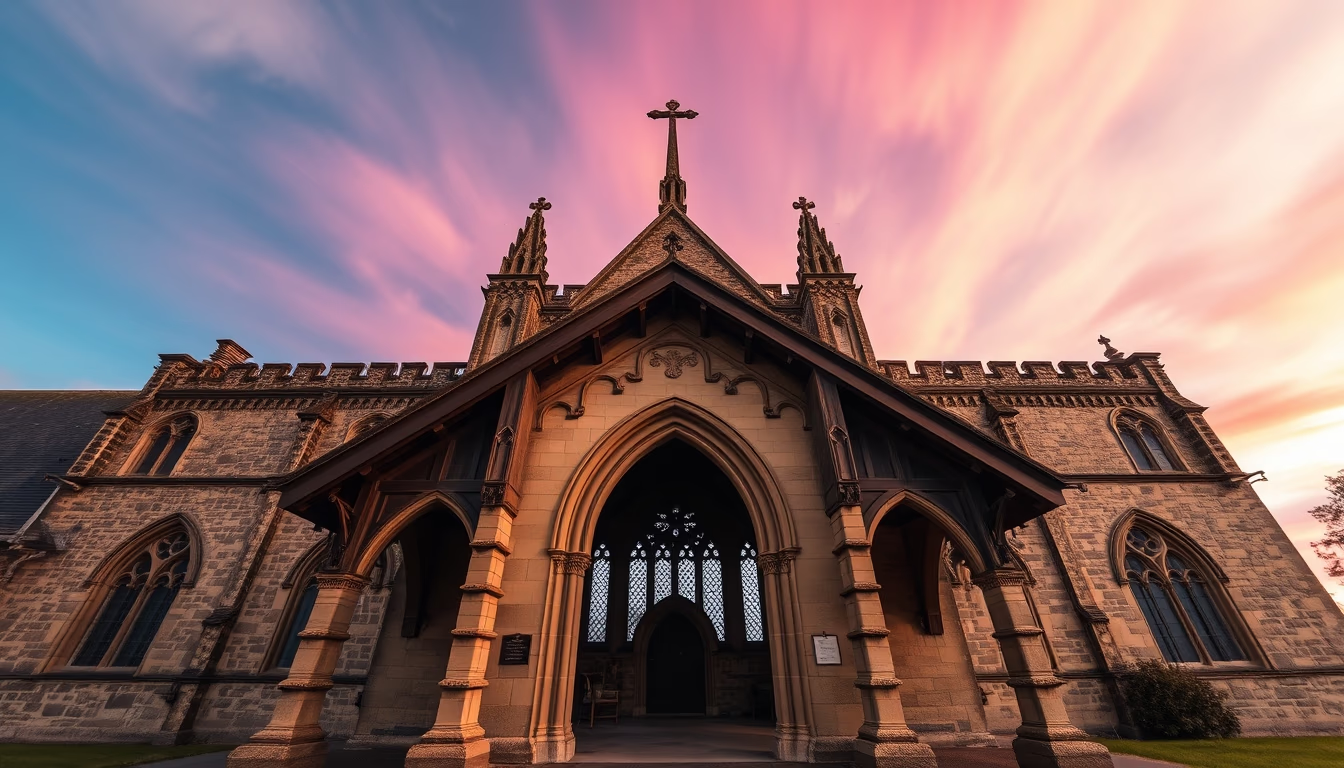
The interior of Eton College Chapel showcases one of England's finest examples of Perpendicular Gothic architecture, featuring fan vaulting and historic stained glass.
About this subject
Eton College Chapel, located in Windsor, England, is one of the most iconic buildings of the college founded in 1440 by King Henry VI. Construction began in 1441 and proceeded in phases, with the main structure completed by the late 15th century. The interior exemplifies the Perpendicular Gothic style characteristic of the Tudor period, notably the fan vaulting, an architectural achievement that creates a sense of lightness and verticality. The walls are clad in limestone, and the tall windows allow natural light to highlight the carved details.
The stained glass windows are a major feature. Most date from the 19th and early 20th centuries, with designs by artists such as Sir William Blake Richmond and Edward Burne-Jones, depicting biblical scenes and historical figures linked to the college's foundation. The north transept window, for instance, illustrates the founding of Eton by Henry VI. The high altar is adorned with a 16th-century Flemish Renaissance altarpiece, a gift from King Henry VII.
The chapel serves not only as a place of worship but also as a central space in school life. It hosts daily services, concerts, and academic ceremonies. Its renowned acoustics are the setting for the college choir, one of the oldest in England. The long exposure of the photograph emphasizes the serene atmosphere and the wealth of detail, inviting contemplation of the history and art that surround the building.
Frequently Asked Questions
What is the architectural style of Eton College Chapel?
It is Perpendicular Gothic, a late English Gothic style characterized by vertical lines, fan vaulting, and large windows.
When was the chapel built?
Construction began in 1441 under King Henry VI and was completed in stages by the late 15th century, with later additions to the stained glass and altar.
Are the stained glass windows original?
Not entirely. Most of the current windows date from the 19th and early 20th centuries, replacing originals that were lost. They were created by renowned artists such as Edward Burne-Jones.
Direct URL
https://pub-c7d6a6ea828543ac903a74a341ccb2e1.r2.dev/imagens/eton-chapel-interior-long-exposure-fresh1.avifHow to credit
Include a visible link back to UtilizAí. Copy one of the snippets below:
<a href="https://xn--utiliza-eza.com/en/midia/imagens/eton-chapel-interior-long-exposure-fresh1">Eton chapel interior</a> by <a href="https://xn--utiliza-eza.com">UtilizAí</a>, licensed under <a href="https://creativecommons.org/licenses/by/4.0/">CC BY 4.0</a>.
[Eton chapel interior](https://xn--utiliza-eza.com/en/midia/imagens/eton-chapel-interior-long-exposure-fresh1) by [UtilizAí](https://xn--utiliza-eza.com), CC BY 4.0
License: CC-BY-4.0