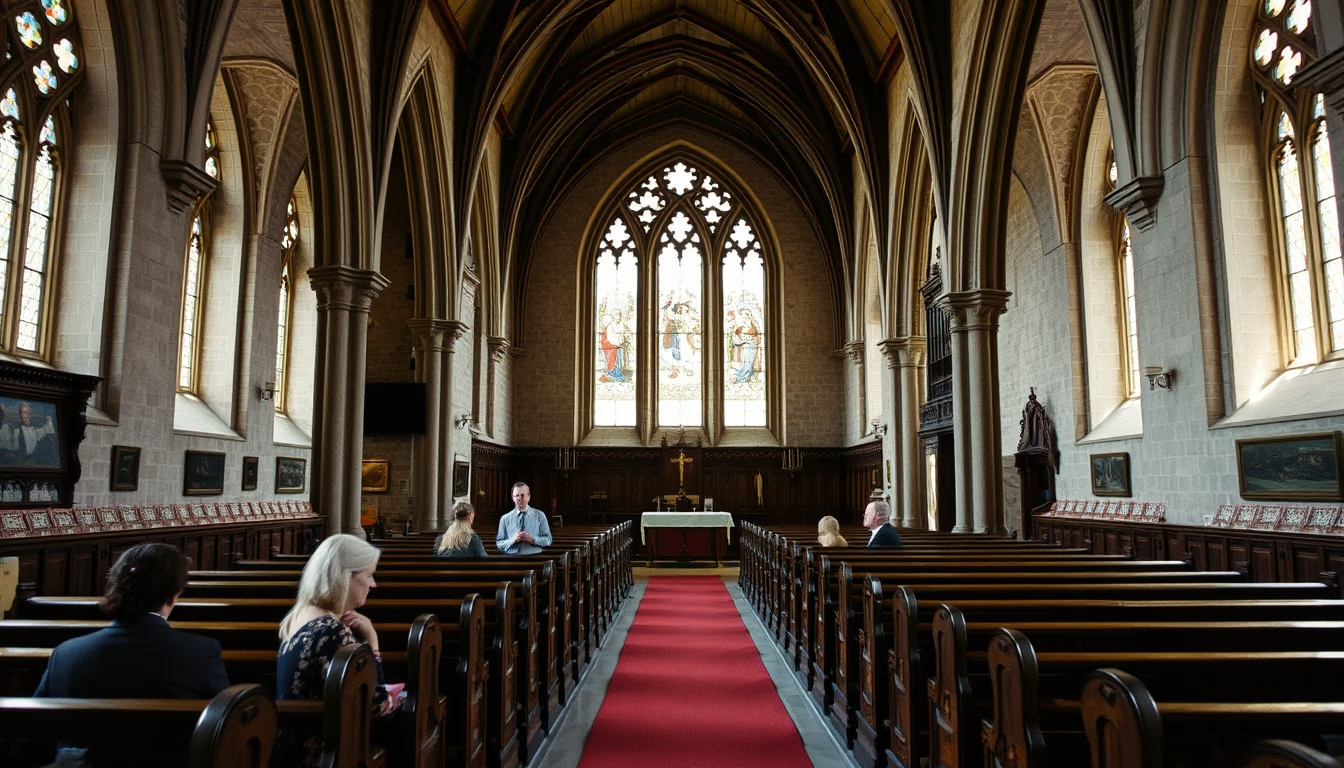
Eton chapel interior
1344×768 · AVIF · CC BY 4.0
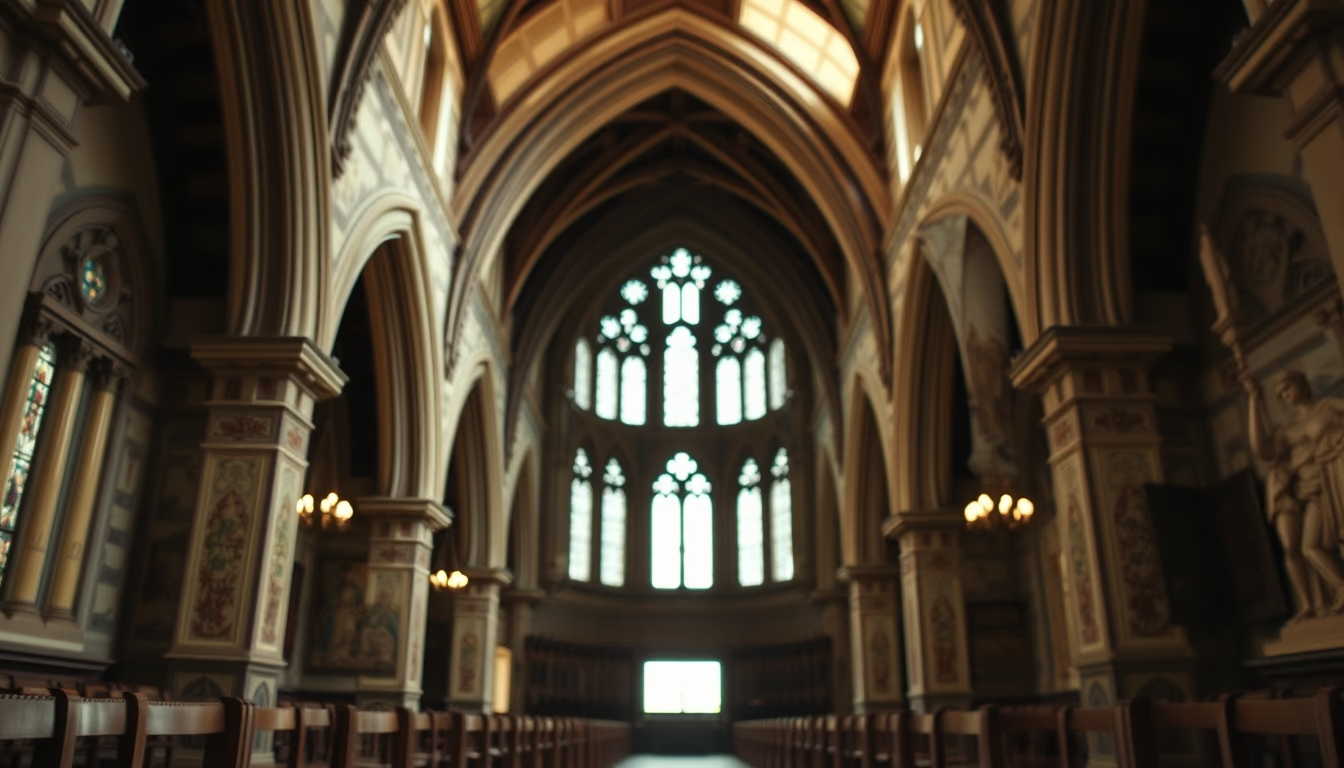
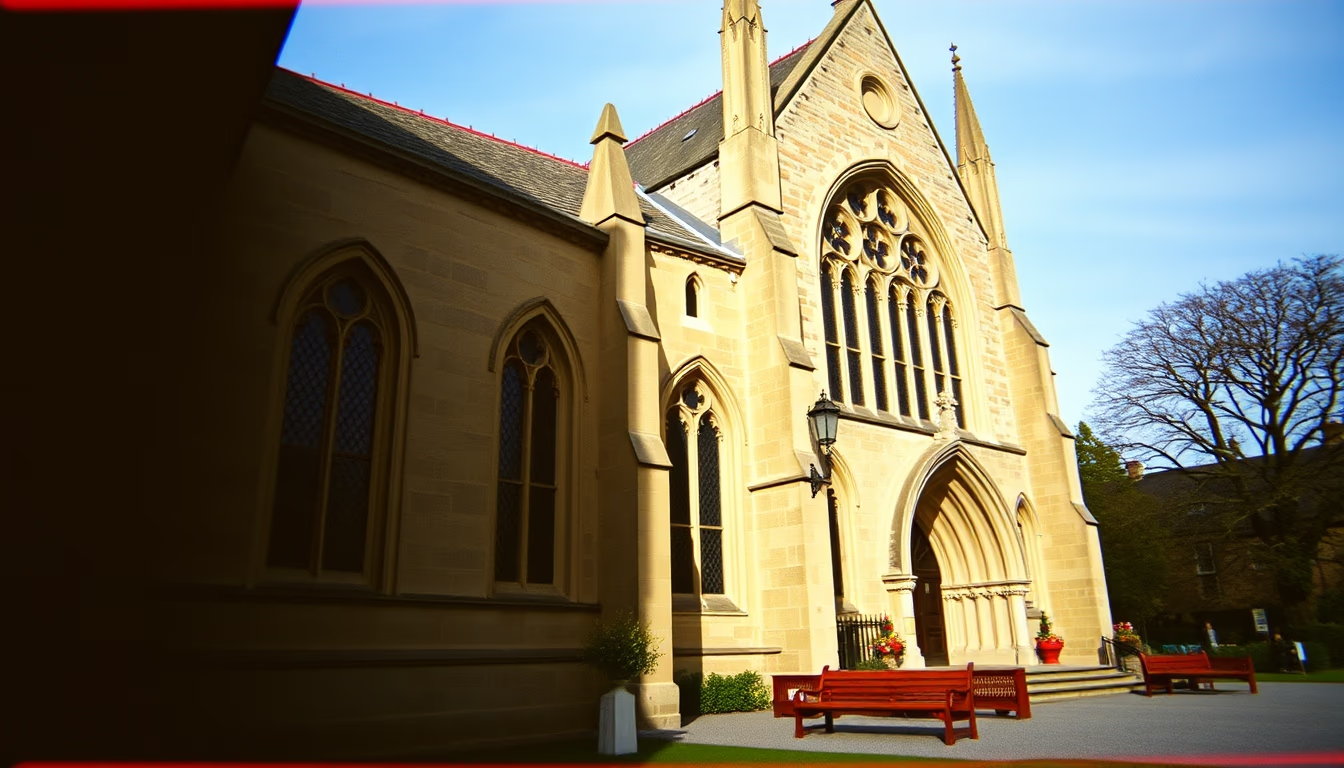
Eton College chapel in Windsor, England, is one of the most impressive examples of 15th-century English Gothic architecture.
About this subject
Eton College chapel was commissioned by King Henry VI in 1441 and completed in 1482, despite several interruptions. Its construction was part of the original plan for the college, which the king founded to provide free education to 70 poor scholars. The building follows the English Perpendicular Gothic style, characterized by pronounced vertical lines, large windows, and a fan vault that is a masterpiece of medieval engineering. The stained glass windows, mostly from the 19th century, depict biblical scenes and historical figures, including the college's founders.
Over the centuries, the chapel underwent several modifications and restorations. During the English Reformation, many images and ornaments were removed, but the main structure remained intact. In the 19th century, architect George Gilbert Scott led a major renovation that included the installation of new stained glass windows and the renewal of the choir. Today, the chapel serves as a daily place of worship for students and staff, as well as hosting important ceremonies such as Founder's Day and sacred music concerts.
The chapel is also known for housing the tombs of some of the college's earliest members and Henry VI himself, though his body was later moved to St. George's Chapel at Windsor Castle. The interior impresses with its height and the natural light filtering through the colorful stained glass, creating a solemn atmosphere. The organ, built in the 19th century, is one of the largest in the country and accompanies services and performances by the famous Eton Chapel Choir.
Beyond its religious use, the chapel is a tourist attraction open to the public at specific times, drawing visitors interested in history, architecture, and art. Its preservation is maintained through donations and by the college itself, which constantly invests in heritage upkeep. The chapel represents not only a sacred space but also a symbol of the continuity of British educational traditions.
Frequently Asked Questions
When was Eton College chapel built?
Construction began in 1441 under King Henry VI and was completed in 1482, despite some interruptions.
What architectural style predominates in the chapel?
The predominant style is English Perpendicular Gothic, characterized by a fan-vaulted ceiling and large stained glass windows.
Who commissioned the chapel and what is its historical significance?
The chapel was commissioned by King Henry VI as part of Eton College. It is a notable example of late Gothic architecture, houses tombs of historical figures, and remains central to the school's religious and ceremonial life.
Direct URL
https://pub-c7d6a6ea828543ac903a74a341ccb2e1.r2.dev/imagens/eton-chapel-interior-high-fashion-editorial-fresh16.avifHow to credit
Include a visible link back to UtilizAí. Copy one of the snippets below:
<a href="https://xn--utiliza-eza.com/en/midia/imagens/eton-chapel-interior-high-fashion-editorial-fresh16">Eton chapel interior</a> by <a href="https://xn--utiliza-eza.com">UtilizAí</a>, licensed under <a href="https://creativecommons.org/licenses/by/4.0/">CC BY 4.0</a>.
[Eton chapel interior](https://xn--utiliza-eza.com/en/midia/imagens/eton-chapel-interior-high-fashion-editorial-fresh16) by [UtilizAí](https://xn--utiliza-eza.com), CC BY 4.0
License: CC-BY-4.0