Esso tiger sign
1344×768 · AVIF · CC BY 4.0

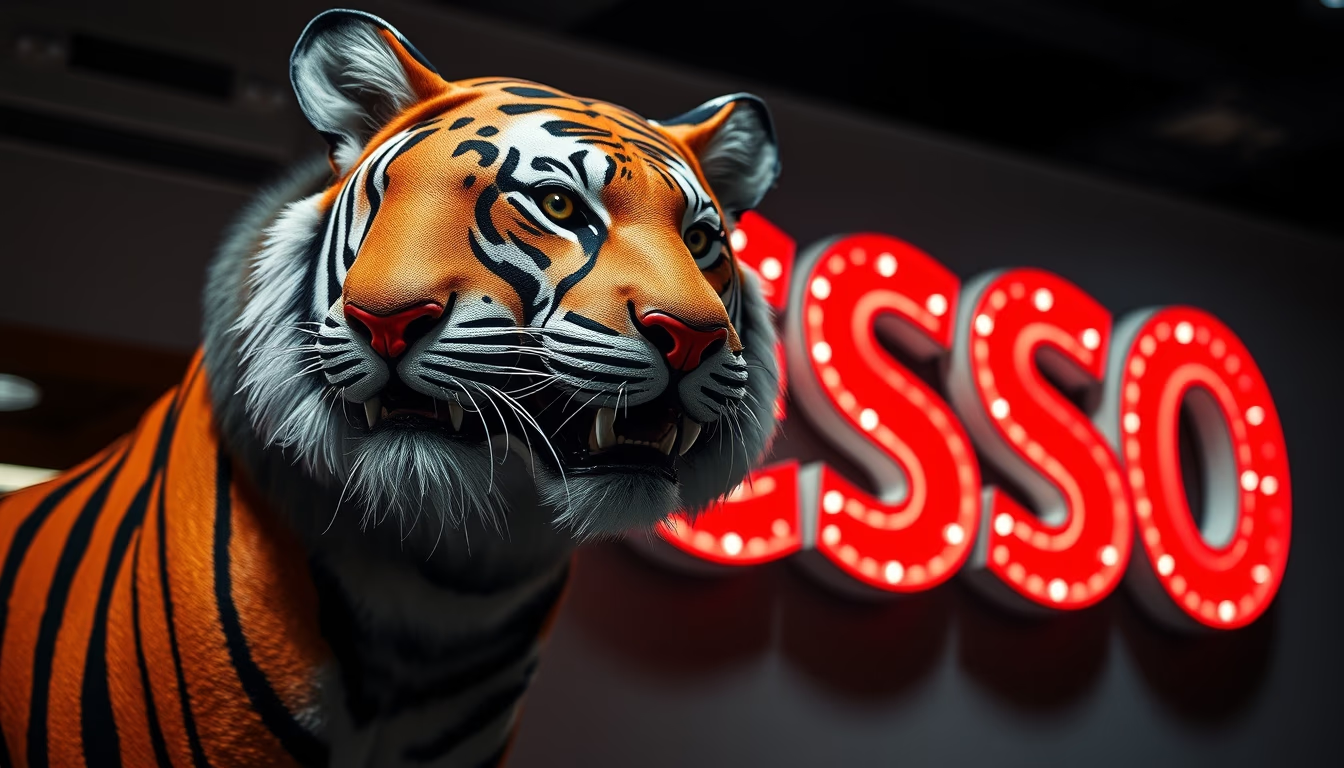
Vintage Esso tiger sign, an advertising icon that shaped global car culture since 1959.
About this subject
The Esso tiger is one of the most recognizable advertising mascots of the 20th century. Created in 1959 by the McCann-Erickson advertising agency for Humble Oil (which operated Esso stations in the United States), the character was born from the campaign "Put a Tiger in Your Tank," which associated Esso gasoline with power and performance. The tiger image, originally drawn by illustrator Robert B. Johnson, appeared in print ads, TV commercials, and of course on metal and illuminated signs at gas stations worldwide.
Over the decades, Esso tiger signs took various forms: from enameled versions showing the tiger leaping to neon-lit models. Many were produced in large numbers, but as old stations closed and brands modernized, original examples became collector's items. The version captured in the image, with its disposable camera aesthetic and faded tones, evokes the nostalgia of the 1960s and 1970s, when the tiger was ubiquitous on roadsides.
Culturally, the Esso tiger transcended advertising. It became a reference in films, music, and even everyday language, the phrase "have a tiger in your tank" became synonymous with energy and vitality. The original campaign was so successful that Esso (now ExxonMobil) retained the tiger as a symbol in some markets into the 1990s. In Brazil, the Esso brand also adopted the tiger, and many signs can still be seen at old gas stations or antique fairs.
The lo-fi aesthetic of the photograph, with grain and desaturated colors, perfectly complements the vintage theme. This style is often used by classic car enthusiasts and analog photography lovers to document the charming decay of street advertising signs that withstand time. Thus, the image not only records a commercial icon but also celebrates the ephemeral beauty of outdoor signage.
Frequently Asked Questions
When did Esso start using the tiger as a mascot?
The Esso tiger was introduced in 1959 through the "Put a Tiger in Your Tank" campaign, created by the McCann-Erickson agency for Humble Oil. The goal was to associate Esso gasoline with extra power and performance.
Do Esso tiger signs still exist today?
Yes, many original signs survive at old gas stations, in private collections, and at antique fairs. They are highly sought after by collectors of advertising memorabilia, especially enameled metal or neon versions.
What does 'have a tiger in your tank' mean?
The phrase, popularized by the Esso campaign, means having extra energy, vitality, or power. It is used both literally for automobiles and figuratively to describe people or situations full of strength.
Direct URL
https://pub-c7d6a6ea828543ac903a74a341ccb2e1.r2.dev/imagens/esso-tiger-sign-lo-fi-disposable-camera-fresh8.avifHow to credit
Include a visible link back to UtilizAí. Copy one of the snippets below:
<a href="https://xn--utiliza-eza.com/en/midia/imagens/esso-tiger-sign-lo-fi-disposable-camera-fresh8">Esso tiger sign</a> by <a href="https://xn--utiliza-eza.com">UtilizAí</a>, licensed under <a href="https://creativecommons.org/licenses/by/4.0/">CC BY 4.0</a>.
[Esso tiger sign](https://xn--utiliza-eza.com/en/midia/imagens/esso-tiger-sign-lo-fi-disposable-camera-fresh8) by [UtilizAí](https://xn--utiliza-eza.com), CC BY 4.0
License: CC-BY-4.0