English saddle dressage
1344×768 · AVIF · CC BY 4.0
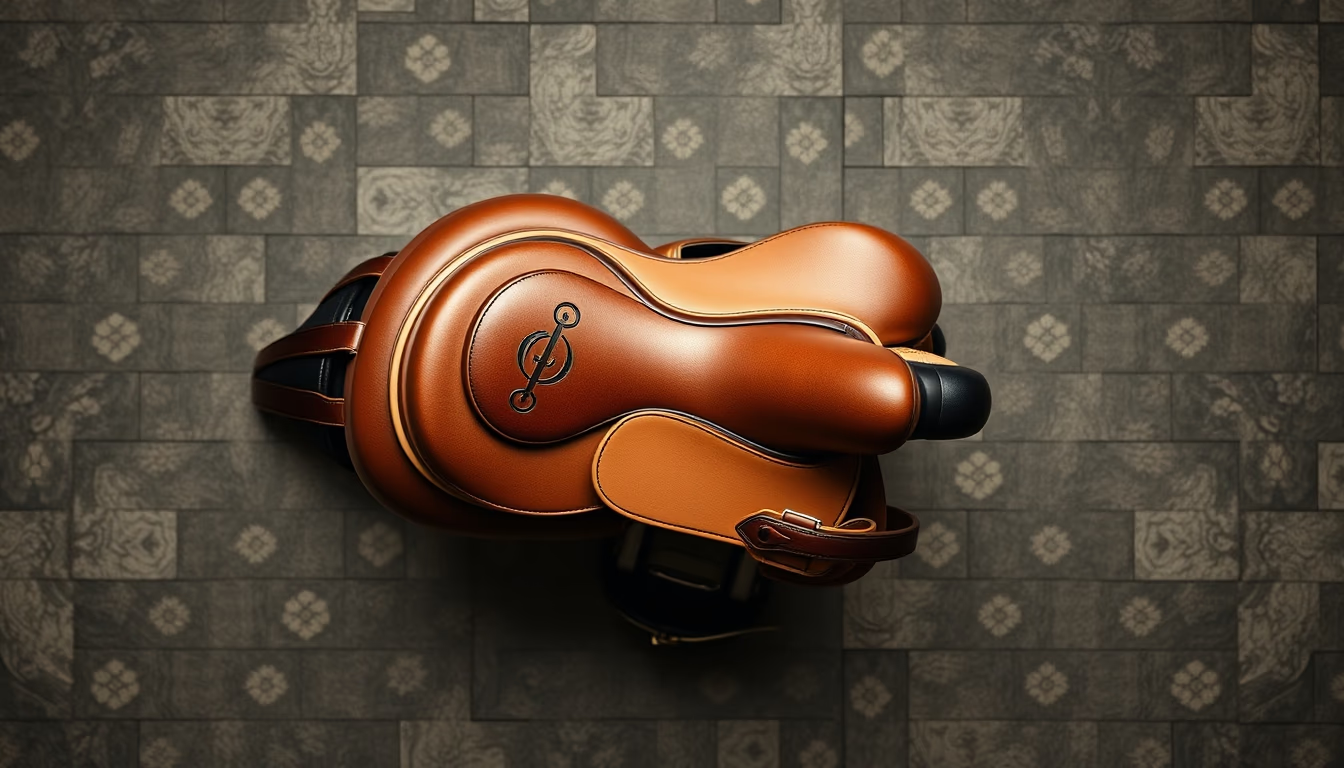
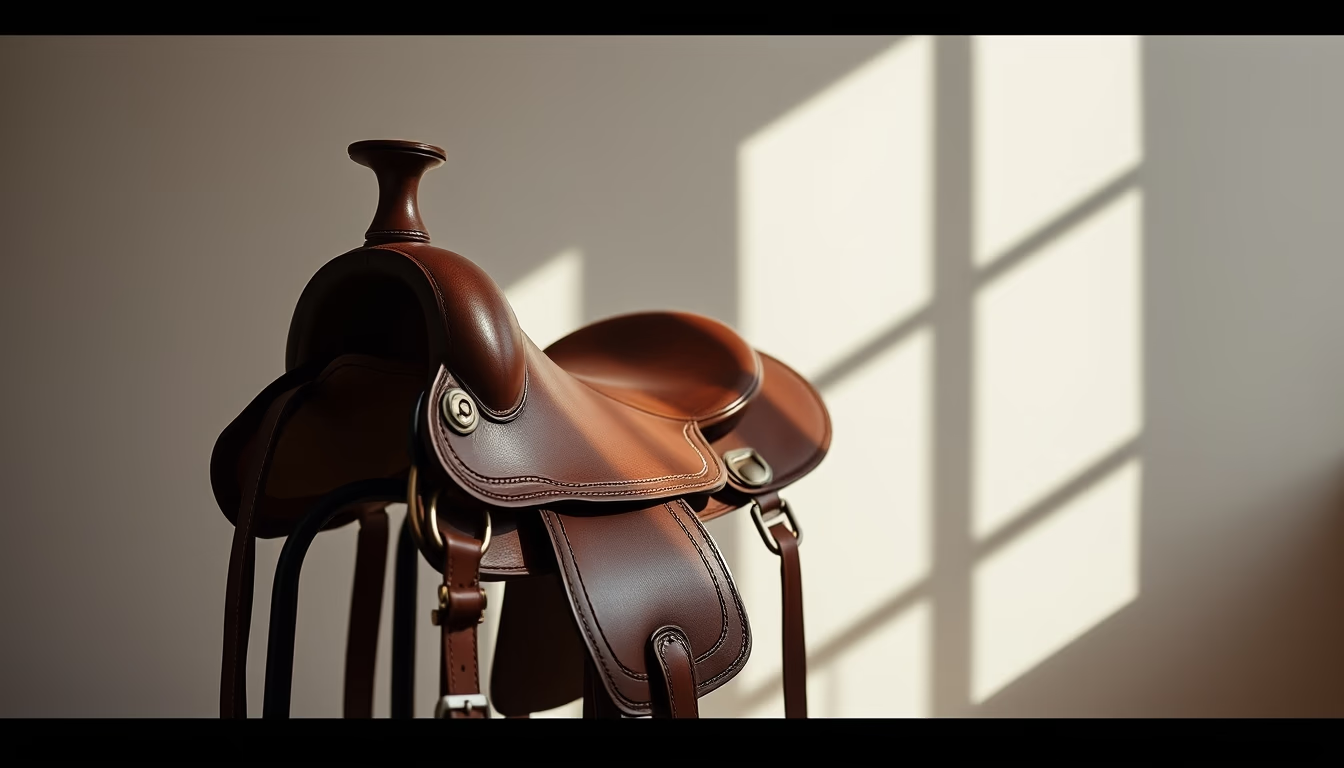
The English dressage saddle is designed for subtle communication between rider and horse during complex, precise high-school movements.
About this subject
The English dressage saddle is distinguished from other English saddles by its deep and straight seat, long and straight panels, and thinner, shorter flaps. These features allow the rider to maintain a vertical, centered position with close leg contact, essential for transmitting subtle aids during dressage tests. The saddle tree is typically flatter, without much curve toward the withers, favoring shoulder freedom and lateral movements.
Historically, the dressage saddle evolved from military saddles of the 17th and 18th centuries, when classical riding was trained for warfare. Over time, dressage became an Olympic sport, and the saddle was refined to maximize contact and precision. Today, the International Equestrian Federation (FEI) regulates dimensions and materials in competition to ensure no artificial interference.
Construction of a quality dressage saddle involves genuine leather, reinforced stitching, and a tree usually made of wood or synthetic material. Proper fit is crucial: the saddle must position the rider over the horse's center of gravity without pressing on the spine or restricting the shoulders. Poor fit can cause discomfort, injury, and hinder performance.
Interestingly, the dressage saddle lacks prominent knee blocks or thigh rolls found in jumping saddles, as dressage riders need free leg movement for aides. The deep seat helps absorb the horse's movement, especially in collected gaits and airs above the ground like piaffe and passage.
Frequently Asked Questions
What is the difference between a dressage saddle and a jumping saddle?
A dressage saddle has a deeper, straighter seat, straighter panels, and thinner flaps, allowing close leg contact and an upright position. A jumping saddle has a more forward seat, curved panels, and thicker flaps with prominent knee blocks for stability over jumps.
How should a dressage saddle fit the horse?
The saddle should sit centered, clear the spine, and relieve the withers. Panels must distribute weight evenly across the back without excessive pressure on shoulders or loins. Poor fit hinders movement and can cause pain.
Why does a dressage saddle have a deeper seat?
The deep seat helps the rider maintain a stable, centered position, absorbing the horse's motion and facilitating precise aids, especially in collected gaits and airs above the ground.
Direct URL
https://pub-c7d6a6ea828543ac903a74a341ccb2e1.r2.dev/imagens/english-saddle-dressage-isometric-flat-lay-fresh8.avifHow to credit
Include a visible link back to UtilizAí. Copy one of the snippets below:
<a href="https://xn--utiliza-eza.com/en/midia/imagens/english-saddle-dressage-isometric-flat-lay-fresh8">English saddle dressage</a> by <a href="https://xn--utiliza-eza.com">UtilizAí</a>, licensed under <a href="https://creativecommons.org/licenses/by/4.0/">CC BY 4.0</a>.
[English saddle dressage](https://xn--utiliza-eza.com/en/midia/imagens/english-saddle-dressage-isometric-flat-lay-fresh8) by [UtilizAí](https://xn--utiliza-eza.com), CC BY 4.0
License: CC-BY-4.0