Emerald rough green
1344×768 · AVIF · CC BY 4.0
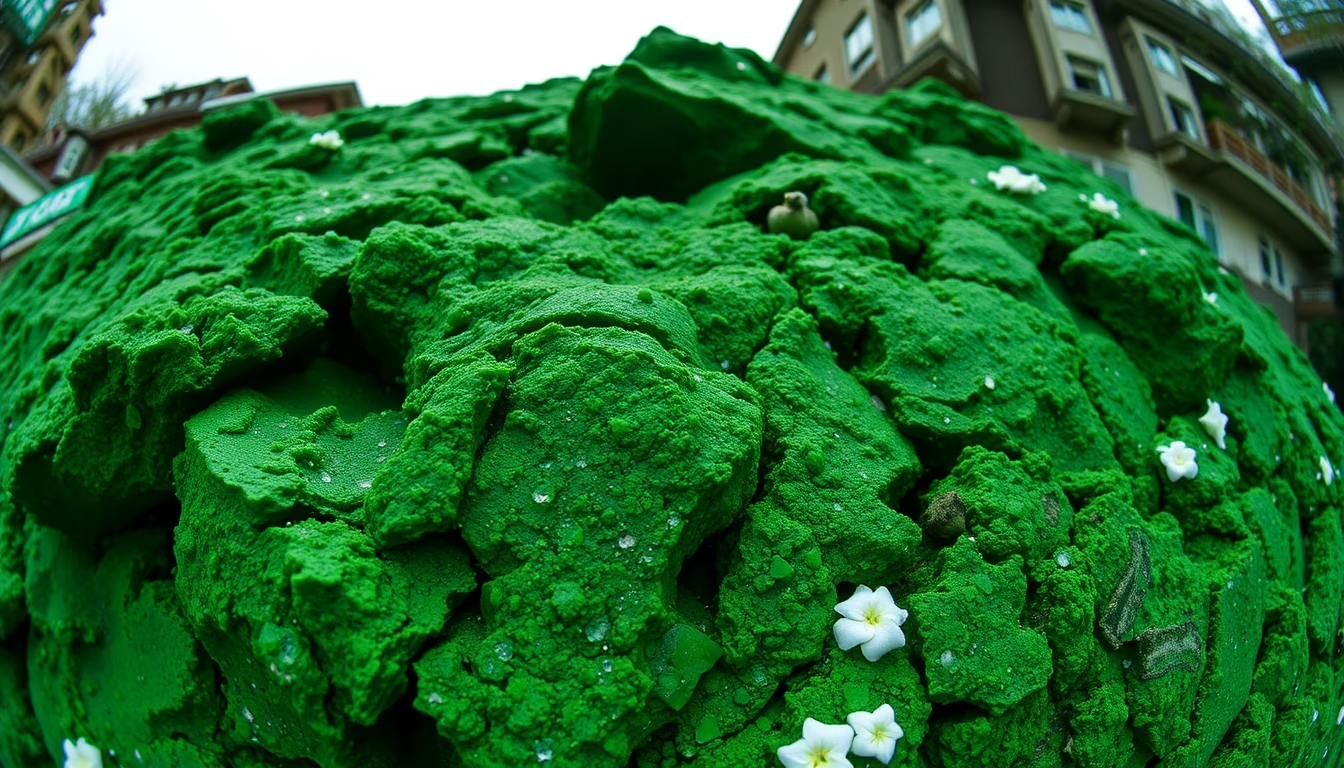
Rough green emerald: one of the most valuable gemstones, formed in specific geological environments with beryllium and chromium.
About this subject
Emerald is a variety of the mineral beryl, with its intense green color caused by traces of chromium and sometimes vanadium. Unlike other gemstones, its formation requires rare geological conditions: high pressures and temperatures in metamorphic or hydrothermal rocks. Major world deposits include Colombia (Muzo, Chivor), Brazil (Nova Era, Itabira), Zambia, and Afghanistan. Colombian emeralds are known for their pure, saturated green color, while Brazilian stones have more yellowish or bluish tones.
Emerald mining dates back thousands of years. Ancient Egyptians mined emeralds in the Eastern Desert as early as 2000 BC. In South America, pre-Columbian peoples such as the Muzos of Colombia used the gem in rituals and adornments. During Spanish colonization, Colombian mines became famous in Europe. Today, emerald is the birthstone for May and symbolizes love, success, and rebirth.
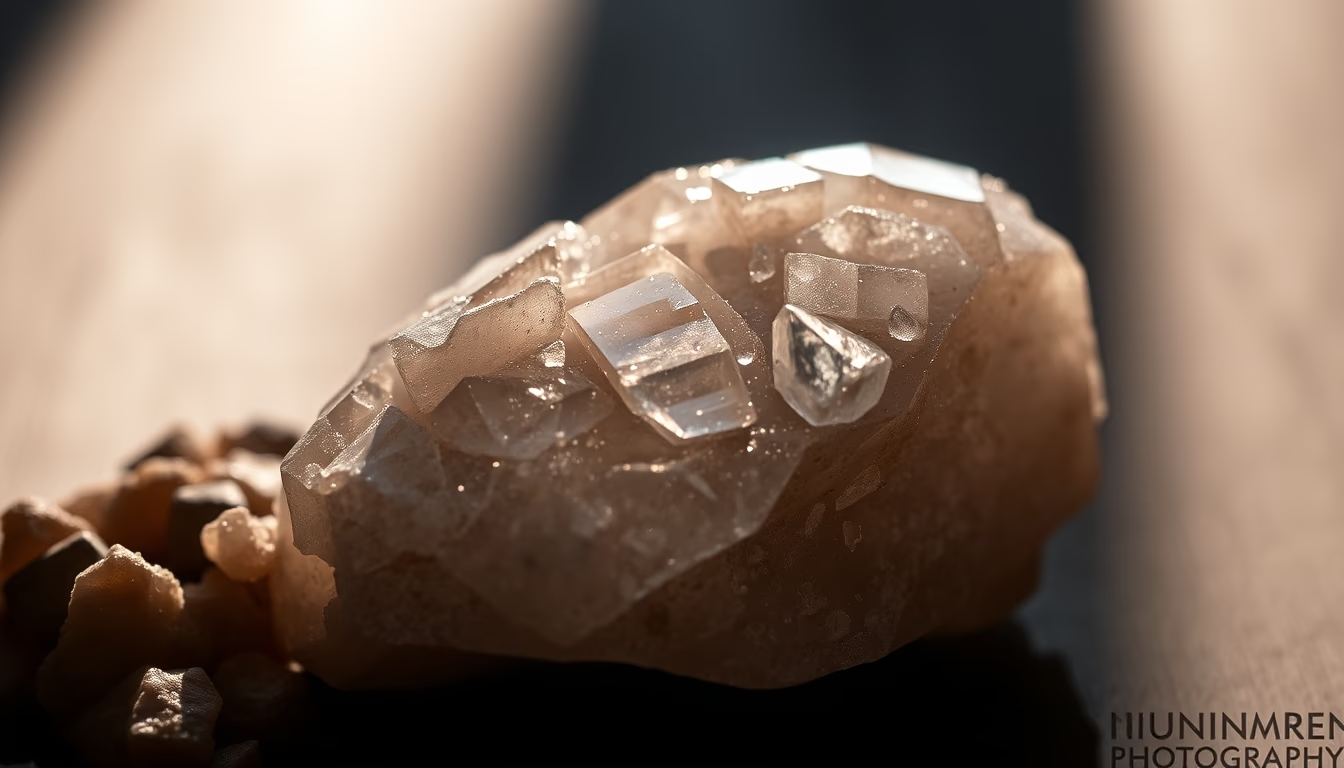
Rough emerald, as shown here, preserves its hexagonal crystal forms and internal inclusions, called "garden" (jardin). These inclusions are natural features that help identify the gem’s origin. Emerald quality is evaluated by color (strong saturated green), clarity (few visible inclusions), cut, and carat weight. Large clean emeralds are extremely rare and valuable.
Interesting fact: contrary to popular belief, emerald is not the hardest gemstone on the Mohs scale (7.5-8), making it more fragile than diamond or sapphire. Therefore, it requires special care in jewelry, avoiding impacts and chemicals.
Frequently Asked Questions
What causes the green color of emerald?
The green color is caused by traces of chromium and sometimes vanadium in the beryl crystal structure.
Which country is the largest producer of emeralds?
Colombia is the largest producer, known for high-quality emeralds from mines such as Muzo and Chivor.
How to distinguish natural from synthetic emerald?
Natural emeralds usually contain internal inclusions (jardin) visible under magnification, and may show color zoning and fluorescence under UV light.
Direct URL
https://pub-c7d6a6ea828543ac903a74a341ccb2e1.r2.dev/imagens/emerald-rough-green-fish-eye-wide-angle-p4.avifHow to credit
Include a visible link back to UtilizAí. Copy one of the snippets below:
<a href="https://xn--utiliza-eza.com/en/midia/imagens/emerald-rough-green-fish-eye-wide-angle-p4">Emerald rough green</a> by <a href="https://xn--utiliza-eza.com">UtilizAí</a>, licensed under <a href="https://creativecommons.org/licenses/by/4.0/">CC BY 4.0</a>.
[Emerald rough green](https://xn--utiliza-eza.com/en/midia/imagens/emerald-rough-green-fish-eye-wide-angle-p4) by [UtilizAí](https://xn--utiliza-eza.com), CC BY 4.0
License: CC-BY-4.0