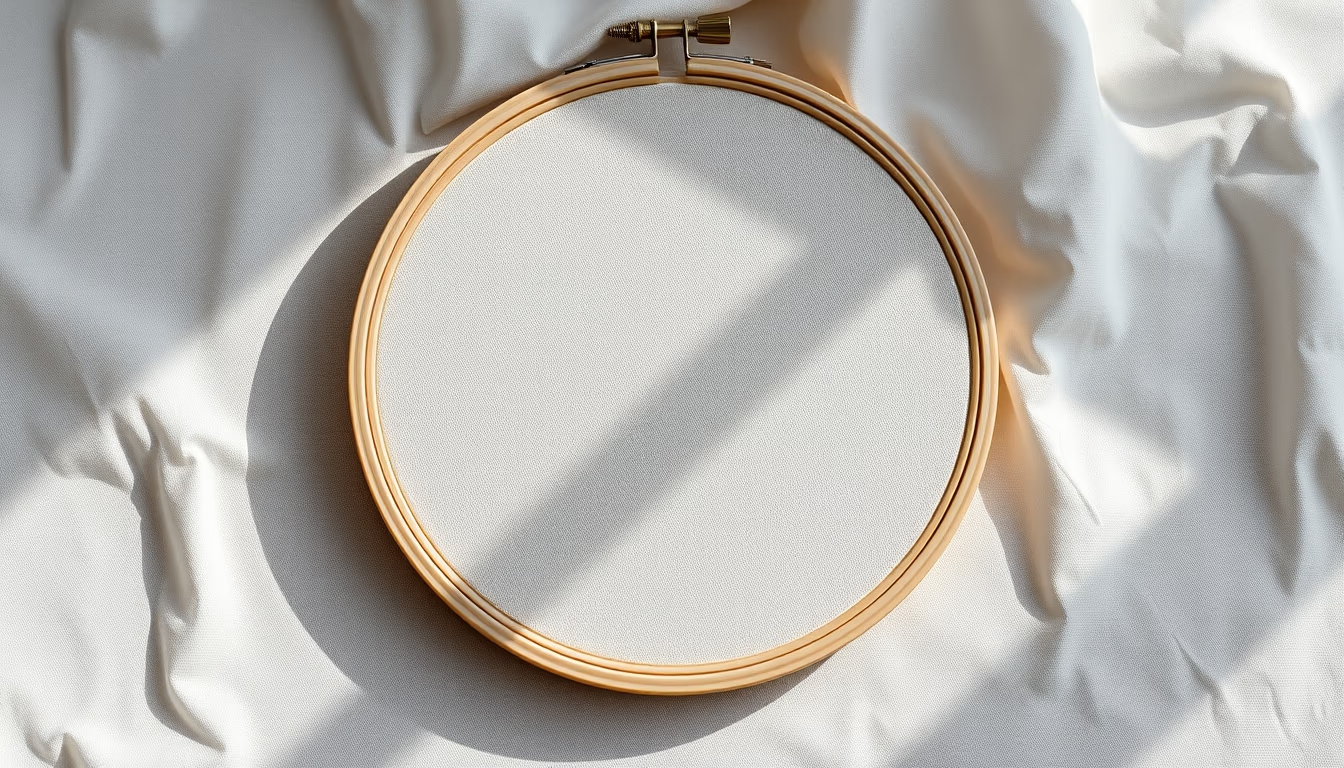
Embroidery hoop pattern
1344×768 · AVIF · CC BY 4.0
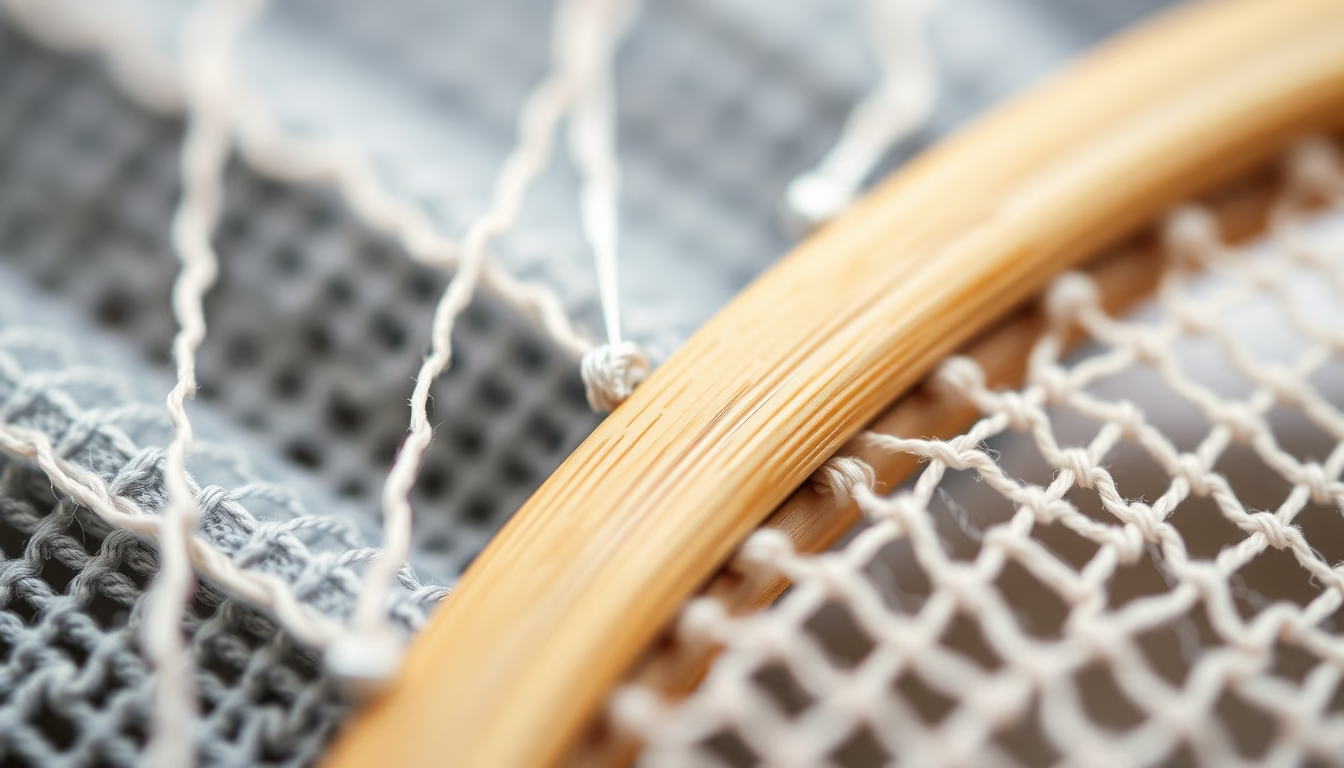
Intricate details of an embroidery hoop reveal the artisanal precision and textile tradition passed down through generations.
About this subject
The embroidery hoop is an essential tool for this ancient craft. It consists of two rings, usually made of wood or metal, that interlock to hold the fabric taut, ensuring a smooth surface for precise and detailed stitching. Techniques such as cross-stitch, free embroidery, or Richelieu benefit from this tension. The history of embroidery dates back to ancient civilizations like Egypt and China, where pieces were made for noble garments and religious ceremonies. In Brazil, embroidery was heavily influenced by European colonization, merging with Indigenous and African techniques to create unique styles like filé lace and Renaissance stitch.
Embroidery patterns range from floral and geometric motifs to complex figurative scenes. These patterns are transferred onto fabric using carbon paper, stencils, or modern water-soluble prints. In macro photography, such as the suggested image, one can appreciate the texture of cotton, silk, or wool threads, as well as the precise tension of the hoop. Needle and thread choices affect the outcome: finer needles suit delicate fabrics, while pearl threads add sheen to decorative embroidery.
Today, embroidery is experiencing a revival as a therapeutic hobby and artistic medium. Artisans share projects on social media, using hoops not only as tools but also as frames for finished works. Free embroidery or ribbon embroidery creates three-dimensional effects with ribbons. Brazilian craft fairs, such as Fenacce in Fortaleza and the National Craft Fair in Belo Horizonte, highlight regional embroidery, preserving traditions that might otherwise fade.
Frequently Asked Questions
What is the difference between wooden and metal embroidery hoops?
Wooden hoops are traditional and provide a gentler grip, ideal for delicate fabrics. Metal hoops offer a firmer hold and are recommended for projects requiring high tension, such as cross-stitch.
How to choose the right hoop size for a project?
The hoop should be larger than the area to be embroidered, leaving at least 2 cm of margin around the design. Hoops that are too small can cause fabric distortion.
Is hand embroidery still relevant in the digital age?
Yes, hand embroidery has gained value as an artisanal and therapeutic practice. Many contemporary designers and artists incorporate embroidery into their works, blending traditional techniques with modern concepts.
Direct URL
https://pub-c7d6a6ea828543ac903a74a341ccb2e1.r2.dev/imagens/embroidery-hoop-pattern-macro-closeup-p3.avifHow to credit
Include a visible link back to UtilizAí. Copy one of the snippets below:
<a href="https://xn--utiliza-eza.com/en/midia/imagens/embroidery-hoop-pattern-macro-closeup-p3">Embroidery hoop pattern</a> by <a href="https://xn--utiliza-eza.com">UtilizAí</a>, licensed under <a href="https://creativecommons.org/licenses/by/4.0/">CC BY 4.0</a>.
[Embroidery hoop pattern](https://xn--utiliza-eza.com/en/midia/imagens/embroidery-hoop-pattern-macro-closeup-p3) by [UtilizAí](https://xn--utiliza-eza.com), CC BY 4.0
License: CC-BY-4.0