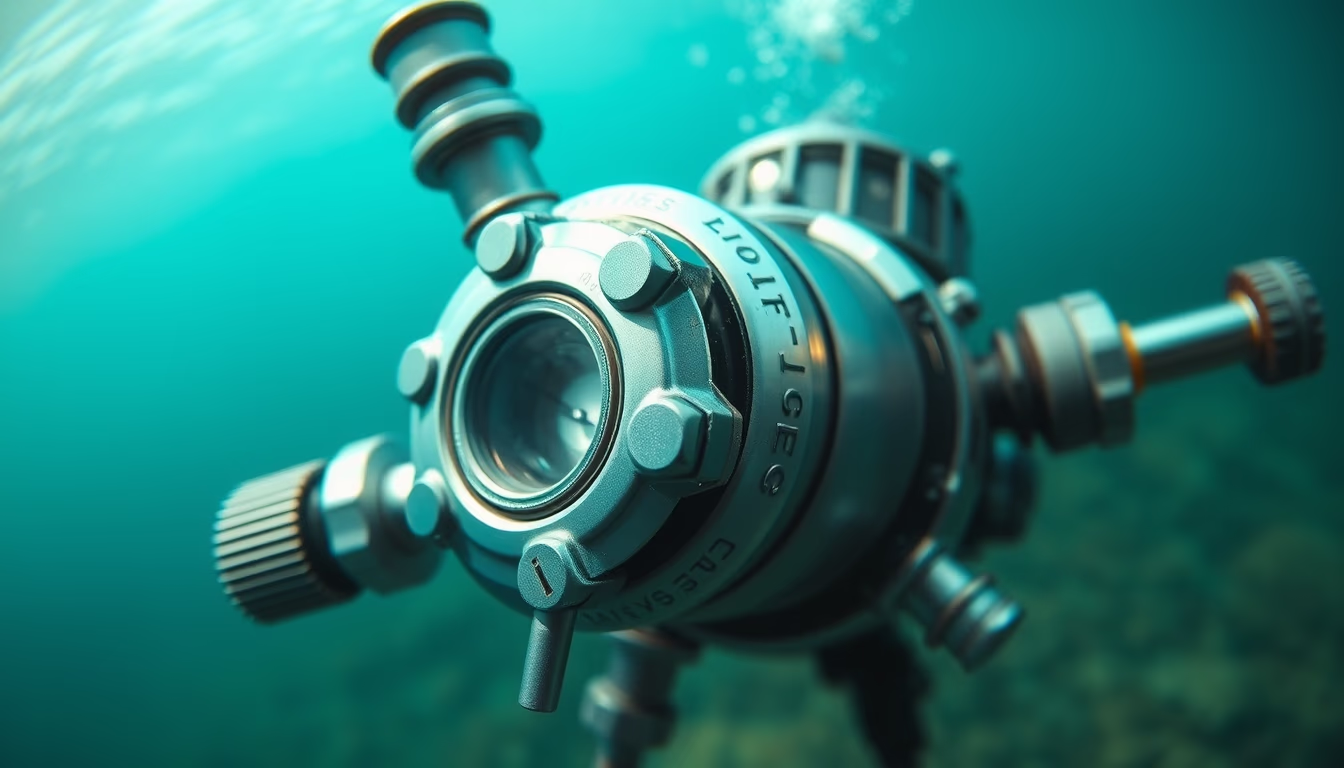
Diving regulator detail
1344×768 · AVIF · CC BY 4.0
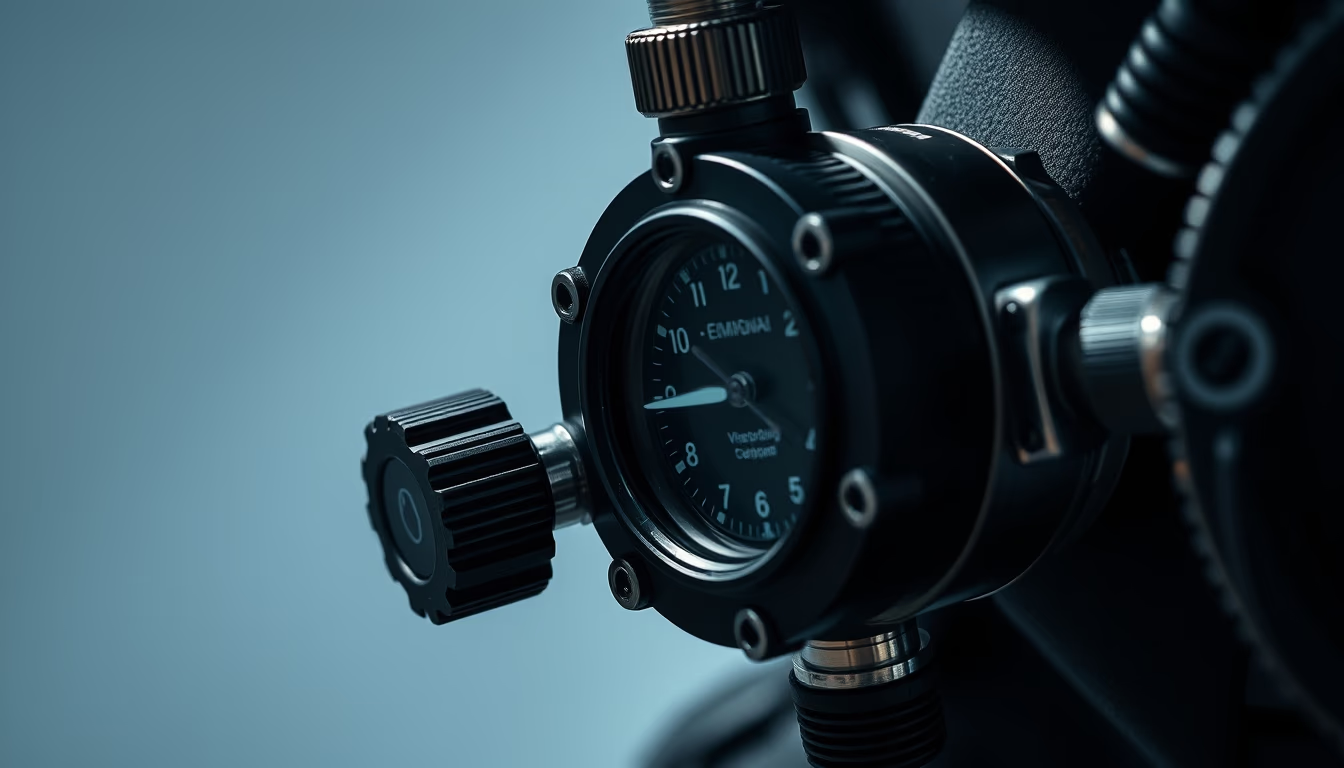
The diving regulator is the device that converts compressed air from the tank to breathable air at ambient pressure, essential for diver safety.
About this subject
The diving regulator is an underwater breathing apparatus that reduces the pressure of compressed air in the tank (typically between 200 and 300 bar) to ambient pressure, allowing the diver to breathe naturally. Invented by Jacques Cousteau and Émile Gagnan in 1943, the first demand regulator, called the Aqua-Lung, revolutionized autonomous diving. The system consists of two main stages: the first stage, attached to the tank valve, reduces pressure to an intermediate level (about 10 bar above ambient); the second stage, located at the mouthpiece, further reduces it to ambient pressure on each inhalation, delivering air on demand.
There are several types of regulators, such as piston and diaphragm models, each with specific advantages. Piston regulators are simpler and more durable, while diaphragm regulators perform better in cold water, being less prone to freezing. Common materials include chrome-plated brass, stainless steel, and titanium, with titanium being lightweight and corrosion-resistant, ideal for travel. Regular maintenance is crucial: seals and o-rings should be inspected annually, and the equipment must be rinsed in fresh water after each dive to prevent salt and debris buildup.
In Brazil, regulators are widely used in diving destinations such as Fernando de Noronha, Abrolhos, and the coast of São Paulo. The choice of regulator should consider maximum depth, water temperature, and frequency of use. High-performance models feature multiple low-pressure ports for accessories like dive computers and buoyancy compensators. Safety depends on proper first-stage assembly and fine-tuning of the second stage, which should deliver air smoothly without excessive resistance.
Interestingly, modern regulator designs incorporate balanced flow systems that maintain consistent performance regardless of tank pressure. Some models also have adjustable controls to minimize breathing effort at great depths, where air density increases. Technological advances have made regulators lighter and more reliable, contributing to the widespread popularity of recreational diving worldwide.
Frequently Asked Questions
What is the function of the first stage of a diving regulator?
The first stage reduces the high pressure from the tank (up to 300 bar) to a constant intermediate pressure, about 10 bar above ambient. It also distributes air to low-pressure hoses supplying the second stage and accessories.
How to choose the best regulator for cold water diving?
For cold water, diaphragm regulators are recommended because they are less prone to freezing. Models with anti-freeze protection, such as balanced flow systems and insulating materials, offer greater safety at temperatures below 10°C.
How often should a diving regulator be serviced?
Service should be done annually by a certified technician, or as needed based on usage. After each dive, rinse the regulator in fresh water and avoid prolonged sun exposure. Visually inspect hoses and o-rings before each use.
Direct URL
https://pub-c7d6a6ea828543ac903a74a341ccb2e1.r2.dev/imagens/diving-regulator-detail-magazine-editorial-fresh8.avifHow to credit
Include a visible link back to UtilizAí. Copy one of the snippets below:
<a href="https://xn--utiliza-eza.com/en/midia/imagens/diving-regulator-detail-magazine-editorial-fresh8">Diving regulator detail</a> by <a href="https://xn--utiliza-eza.com">UtilizAí</a>, licensed under <a href="https://creativecommons.org/licenses/by/4.0/">CC BY 4.0</a>.
[Diving regulator detail](https://xn--utiliza-eza.com/en/midia/imagens/diving-regulator-detail-magazine-editorial-fresh8) by [UtilizAí](https://xn--utiliza-eza.com), CC BY 4.0
License: CC-BY-4.0