Diving regulator detail
1344×768 · AVIF · CC BY 4.0
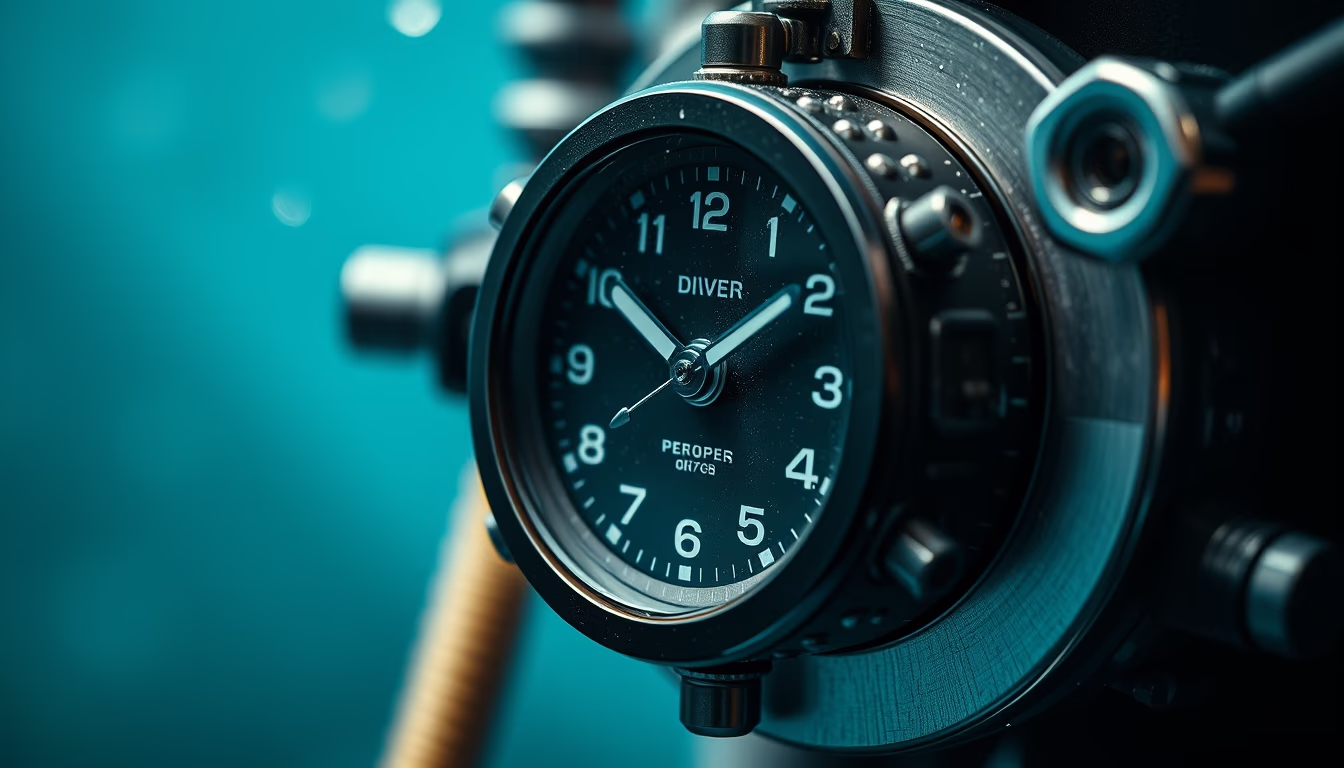
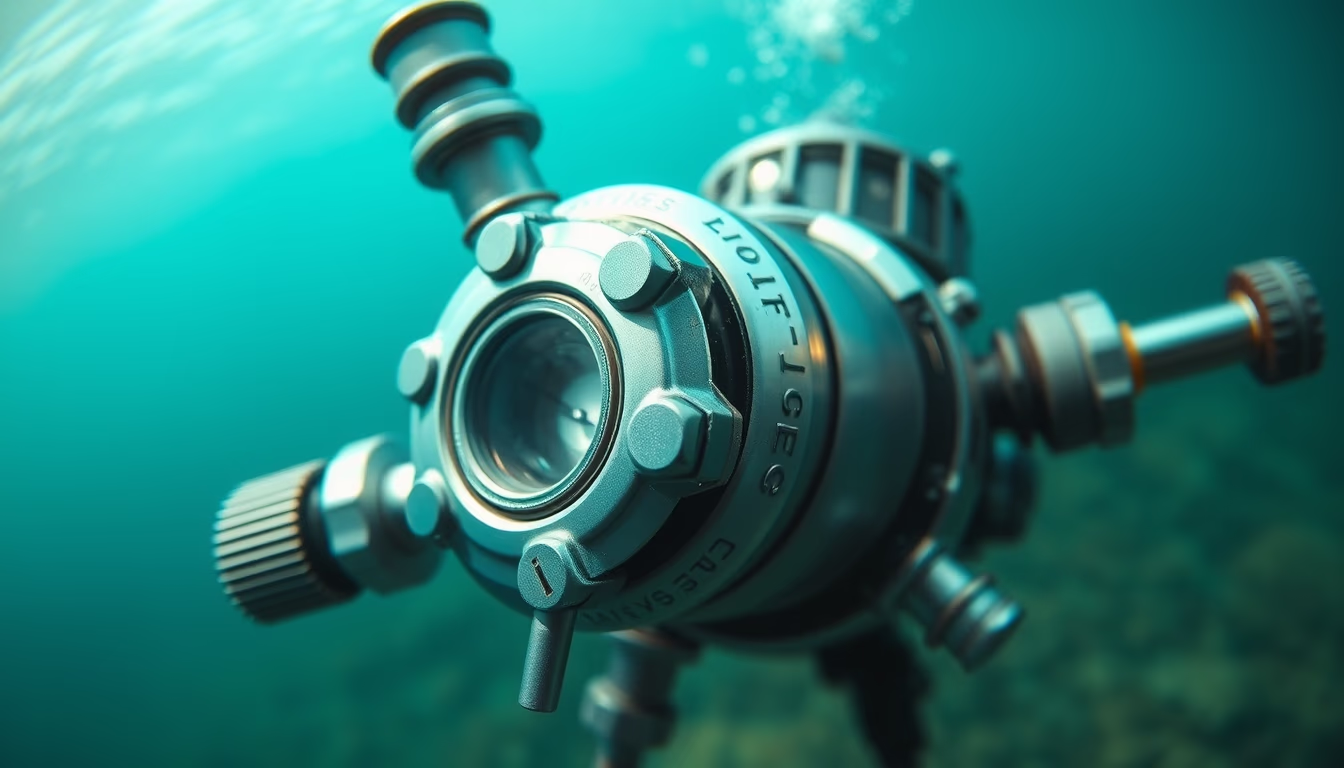
The diving regulator is a device that reduces high-pressure air from the cylinder to ambient pressure, enabling underwater breathing. Learn about its components and operation.
About this subject
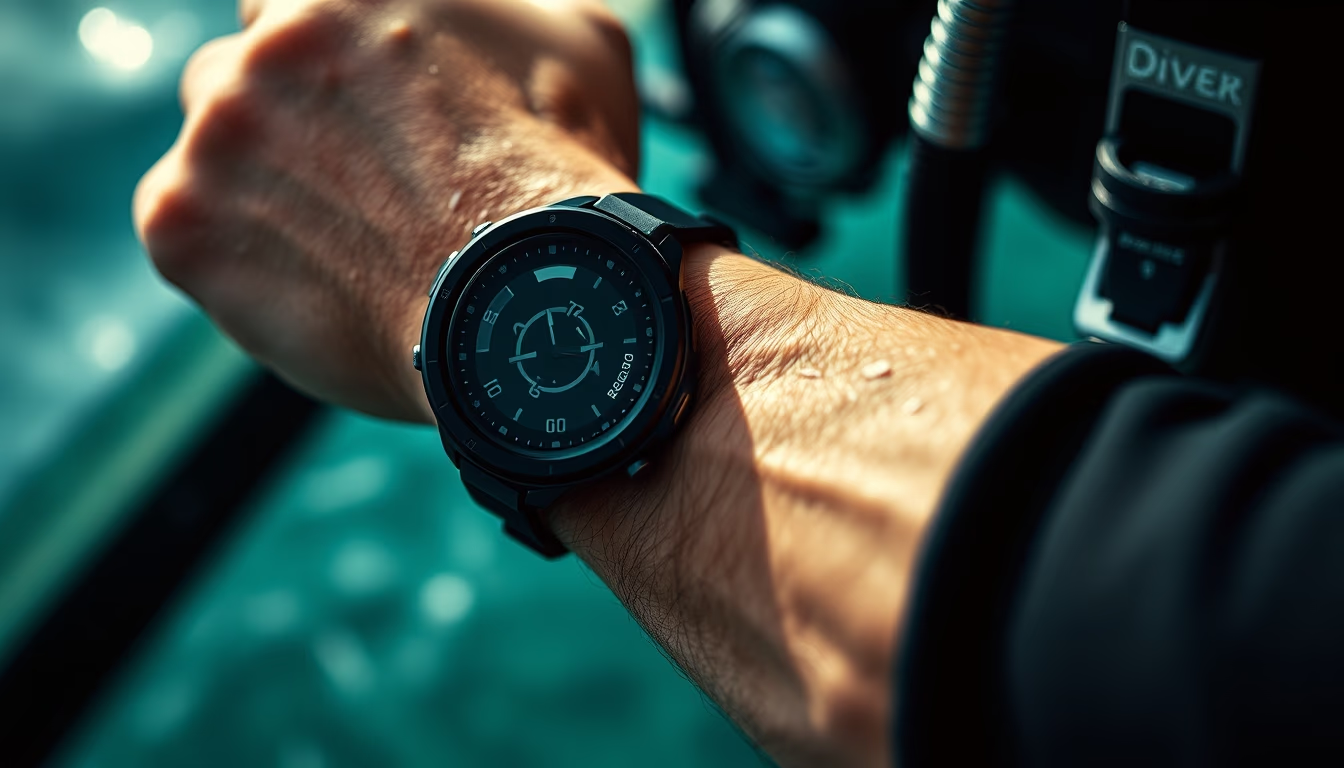
The diving regulator is the most critical piece of SCUBA equipment. Its primary function is to reduce the high-pressure air stored in the cylinder (typically 200 to 300 bar) to ambient pressure at the diver's depth (usually 1 to 6 bar). A standard regulator consists of two stages: the first stage attaches to the cylinder valve and lowers pressure to an intermediate pressure (about 8 to 10 bar above ambient); the second stage, at the end of the hose, further reduces this to exactly ambient pressure, allowing effortless inhalation. Additional components include an octopus (backup second stage), pressure gauge, and dive computer.
The modern regulator's history dates to 1943, when French engineer Émile Gagnan, at Jacques-Yves Cousteau's request, adapted a car gas regulator for underwater use. This led to the Aqualung, the first practical SCUBA equipment. Since then, design has evolved considerably: balanced first stages emerged, which maintain constant intermediate pressure regardless of cylinder pressure, and Venturi adjustment systems (VAD) on second stages control airflow to prevent freezing in cold water.
Technically, there are two main types of first stages: piston and diaphragm. Piston regulators are simpler, more robust, and deliver high flow, making them ideal for cold water. Diaphragm regulators isolate internal parts from water, offering better sensitivity and suitability for technical diving with corrosive gases like trimix. Balanced regulators provide superior performance at depth by compensating for pressure loss. Preventive maintenance is mandatory: regulators should be serviced annually or every 100 dives, with seal replacement and specific lubrication, following standards such as ISO 12209.
Interesting facts include how the regulator automatically compensates for depth: the deeper the diver goes, the higher the ambient pressure, and the regulator adjusts air delivery so breathing remains natural. In very cold water (below 10 °C), freezing can occur due to the Joule-Thomson effect, prompting divers to use environmentally sealed or adjustable-flow regulators. Regulators are also used in technical diving with Nitrox and Trimix, requiring materials compatible with high oxygen concentrations to avoid combustion.
Frequently Asked Questions
How does a diving regulator work?
The regulator reduces cylinder air pressure in two stages. The first stage lowers pressure to an intermediate level, and the second stage adjusts to ambient pressure at depth, allowing the diver to breathe naturally.
What is the difference between a balanced and unbalanced regulator?
Balanced regulators maintain constant intermediate pressure regardless of cylinder pressure, ensuring consistent performance at all depths. Unbalanced regulators experience variation as air depletes, potentially requiring more inhalation effort.
How often should I service my regulator?
Generally, regulators should be serviced annually or every 100 dives, whichever comes first. Maintenance must be performed by a certified technician, including seal replacement, cleaning, and specific lubrication to prevent failures.
Direct URL
https://pub-c7d6a6ea828543ac903a74a341ccb2e1.r2.dev/imagens/diving-regulator-detail-fine-art-photography-fresh7.avifHow to credit
Include a visible link back to UtilizAí. Copy one of the snippets below:
<a href="https://xn--utiliza-eza.com/en/midia/imagens/diving-regulator-detail-fine-art-photography-fresh7">Diving regulator detail</a> by <a href="https://xn--utiliza-eza.com">UtilizAí</a>, licensed under <a href="https://creativecommons.org/licenses/by/4.0/">CC BY 4.0</a>.
[Diving regulator detail](https://xn--utiliza-eza.com/en/midia/imagens/diving-regulator-detail-fine-art-photography-fresh7) by [UtilizAí](https://xn--utiliza-eza.com), CC BY 4.0
License: CC-BY-4.0