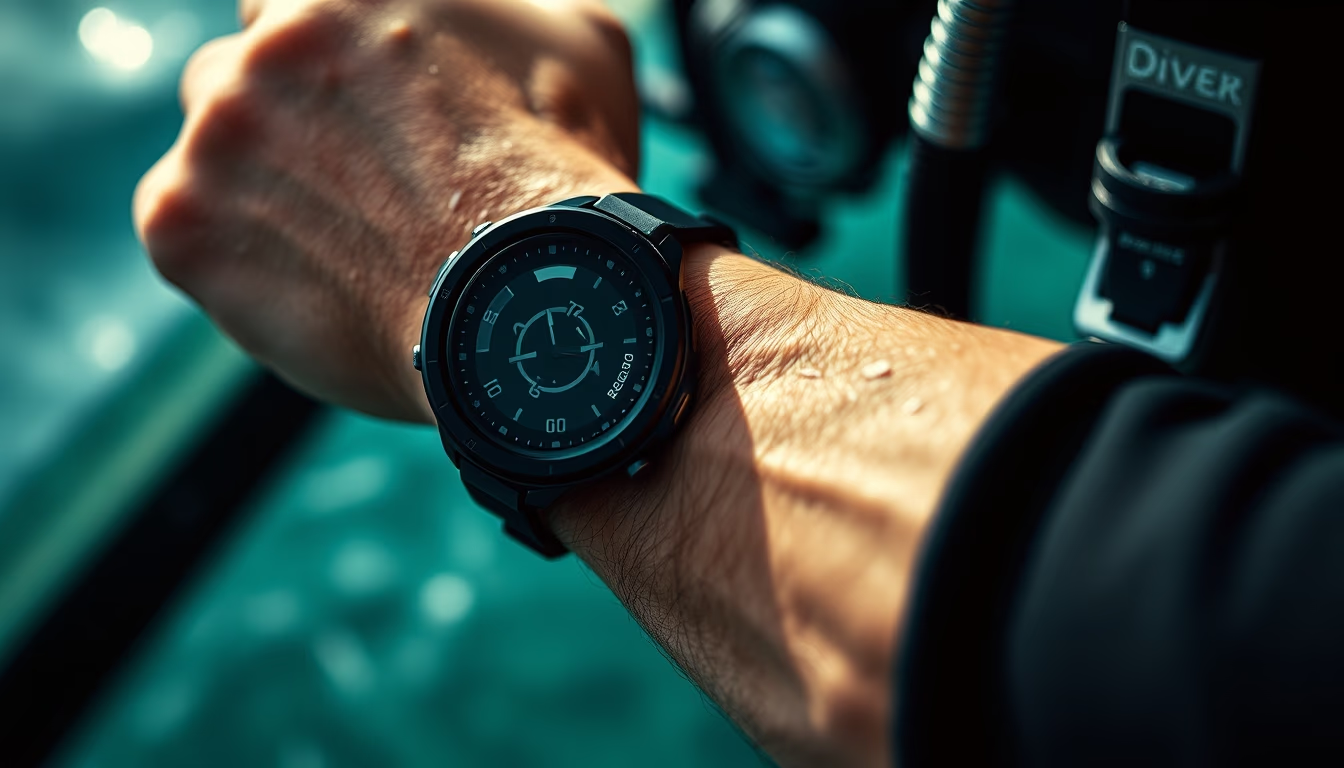
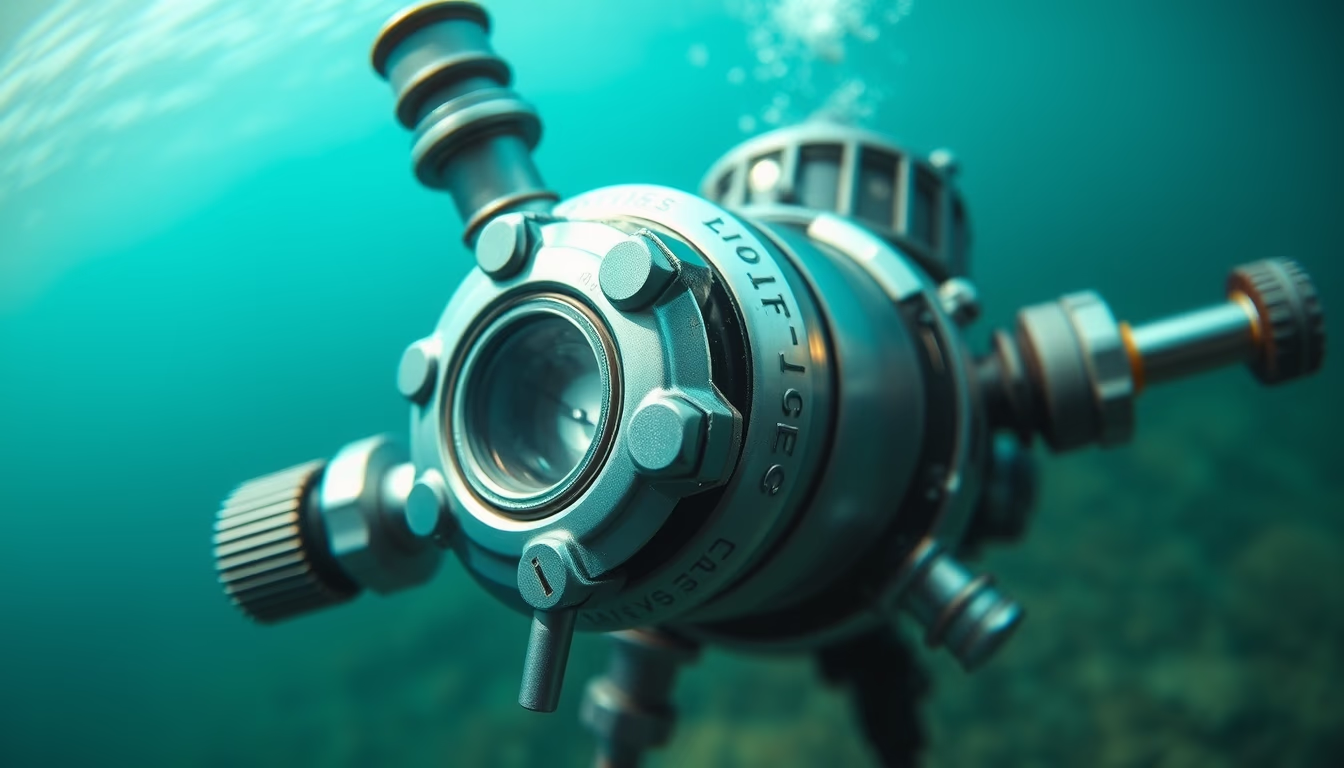
Diving regulator detail
1344×768 · AVIF · CC BY 4.0
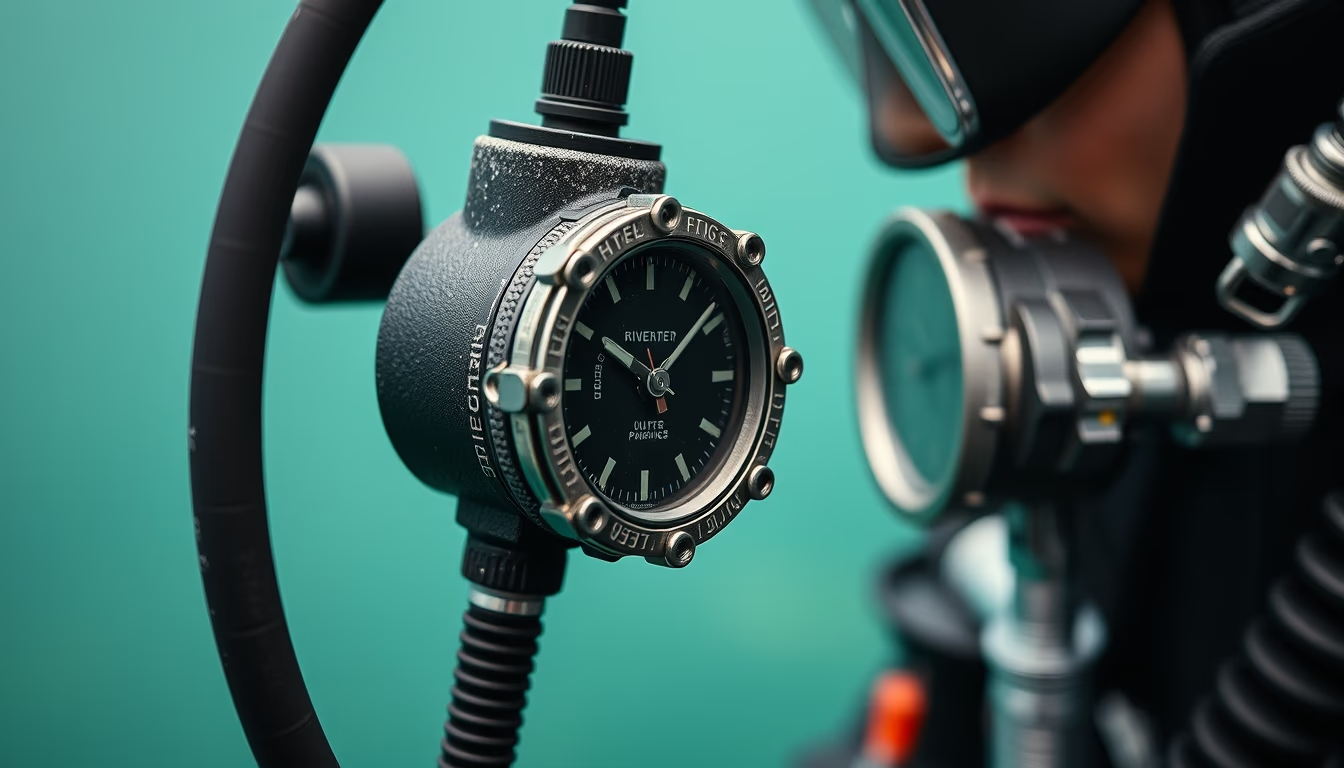
A diving regulator is the device that reduces high cylinder pressure to ambient pressure, allowing breathing underwater. Learn about its components and operation.
About this subject
The diving regulator is an essential piece of equipment for underwater breathing. It connects the cylinder of compressed air (or other gas mix) to the diver, reducing the storage pressure, which can reach 200 or 300 bar, to ambient pressure, which at the surface is 1 bar and increases with depth. This process occurs in two main stages: the first stage, attached to the cylinder valve, reduces the pressure to an intermediate level (about 8 to 10 bar above ambient); the second stage, at the end of the hose and held in the diver's mouth, further reduces the pressure to match ambient pressure at the moment of inhalation, releasing air on demand.
There are two basic types of regulators: single-hose and double-hose (twin-hose). The single-hose model is the most common in modern recreational diving, with a lightweight and compact second stage connected by one or more hoses to the first stage. The double-hose model, popular in the early days of autonomous diving, had the second stage mounted directly on the first stage behind the diver's neck, with two large hoses connecting to the mouthpiece. Although less common today, it is still favored by some vintage divers for its symmetry and lack of exhalation resistance.
The invention of the modern diving regulator is credited to Jacques-Yves Cousteau and Émile Gagnan, who in 1943 developed the aqualung, a demand regulator that allowed automatic and continuous breathing underwater. This breakthrough revolutionized underwater exploration, making diving accessible to amateurs and professionals alike. Since then, regulators have evolved with lighter materials (such as titanium and polymers), balanced systems for better performance at depth, adjustable breathing resistance, and high-pressure ports for instruments like pressure gauges and dive computers.
Regulator maintenance is critical for safety. It should be serviced annually by a certified technician, especially if used in salt water, which can cause corrosion. After each dive, rinsing in fresh water, drying, and storing in a clean, dry place is necessary. A well-maintained regulator can last for decades and save lives, ensuring that the diver breathes easily and confidently at any depth.
Frequently Asked Questions
How does a diving regulator work?
The regulator reduces high cylinder pressure (200 to 300 bar) to ambient pressure in two stages. The first stage, attached to the cylinder, drops it to an intermediate pressure, and the second stage, held in the diver's mouth, further reduces it to match ambient pressure, releasing air only when the diver inhales.
What are the different types of regulators?
The two main types are single-hose and double-hose (twin-hose). Single-hose is most common today, with a separate, lightweight second stage. Double-hose, an older design, has the second stage integrated with the first, used mainly in vintage or technical diving.
What maintenance does a diving regulator require?
It should be serviced annually by a certified technician. After each dive, rinse in fresh water, dry thoroughly, and store in a clean, dry place. Avoid leaving salt or sand residues, which can damage internal components.
Direct URL
https://pub-c7d6a6ea828543ac903a74a341ccb2e1.r2.dev/imagens/diving-regulator-detail-documentary-nature-style-fresh10.avifHow to credit
Include a visible link back to UtilizAí. Copy one of the snippets below:
<a href="https://xn--utiliza-eza.com/en/midia/imagens/diving-regulator-detail-documentary-nature-style-fresh10">Diving regulator detail</a> by <a href="https://xn--utiliza-eza.com">UtilizAí</a>, licensed under <a href="https://creativecommons.org/licenses/by/4.0/">CC BY 4.0</a>.
[Diving regulator detail](https://xn--utiliza-eza.com/en/midia/imagens/diving-regulator-detail-documentary-nature-style-fresh10) by [UtilizAí](https://xn--utiliza-eza.com), CC BY 4.0
License: CC-BY-4.0