Diving fins blue rack
1344×768 · AVIF · CC BY 4.0
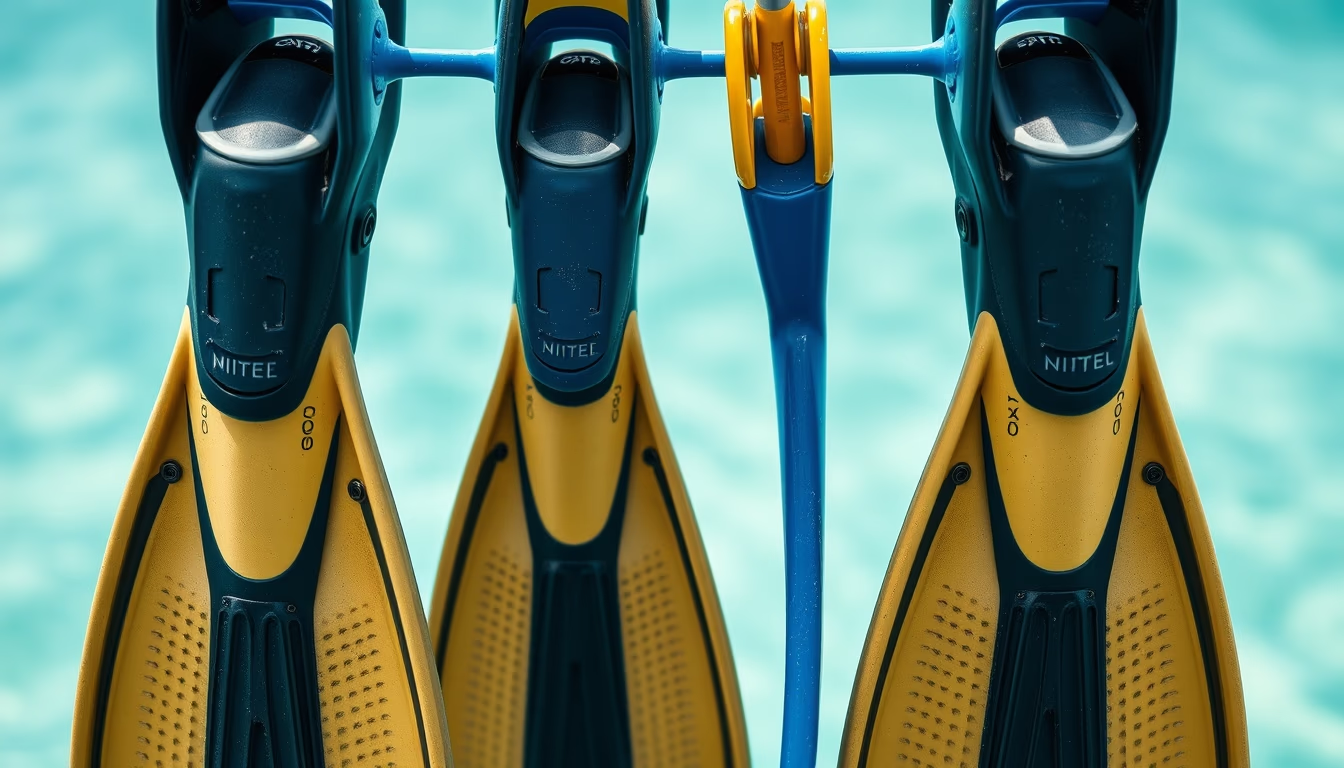
A rack of blue diving fins, essential gear for underwater exploration, highlighting the importance of choosing the right material for performance and safety.
About this subject
Diving fins are among the most essential pieces of equipment for any diver, whether recreational, technical, or professional. They provide the necessary propulsion to move efficiently through water, reducing physical effort and allowing greater control of movements. The blue model, commonly found in dive shops, can be made from materials such as rubber, silicone, or injection-molded plastic, each with specific characteristics of stiffness and flexibility.
Choosing the ideal fin depends on the type of diving practiced. Open-heel fins (with a foot pocket that accommodates boots) are used with neoprene booties, preferred in cold water or dives on uneven terrain. Closed-heel fins are more common in warm water. The blade stiffness directly influences power: stiffer blades provide more thrust, requiring stronger leg muscles, while more flexible blades are recommended for beginners or gentler movements.
Beyond design and material, fin maintenance is crucial for longevity. After use, they should be rinsed with fresh water and dried in the shade to prevent drying out and cracking. Storing them on dedicated racks, like the one in the image, helps preserve their shape and avoid deformation. In Brazil, diving is widespread along the coasts of São Paulo, Rio de Janeiro, Bahia, and Fernando de Noronha, where marine biodiversity attracts tourists from around the world.
Interestingly, the blue color is not just aesthetic: studies suggest that color influences underwater visibility and can help quickly identify equipment among other items. Major manufacturers like Mares, Scubapro, and Cressi invest in technology to improve hydrodynamic performance, with blades mimicking the movement of fish or dolphin tails.
Frequently Asked Questions
What is the difference between open-heel and full-foot fins?
Open-heel fins are worn with neoprene booties for cold water or uneven terrain, while full-foot fins are lighter and ideal for warm water and recreational dives.
How to choose the right blade stiffness?
Beginners should opt for flexible blades that require less effort; experienced divers or those needing more thrust may prefer stiff blades for greater propulsion, but they require stronger legs.
How to properly store diving fins?
After rinsing with fresh water and drying in the shade, store them on a rack to maintain shape. Avoid prolonged sun exposure and do not bend them excessively.
Direct URL
https://pub-c7d6a6ea828543ac903a74a341ccb2e1.r2.dev/imagens/diving-fins-blue-rack-documentary-nature-style-fresh12.avifHow to credit
Include a visible link back to UtilizAí. Copy one of the snippets below:
<a href="https://xn--utiliza-eza.com/en/midia/imagens/diving-fins-blue-rack-documentary-nature-style-fresh12">Diving fins blue rack</a> by <a href="https://xn--utiliza-eza.com">UtilizAí</a>, licensed under <a href="https://creativecommons.org/licenses/by/4.0/">CC BY 4.0</a>.
[Diving fins blue rack](https://xn--utiliza-eza.com/en/midia/imagens/diving-fins-blue-rack-documentary-nature-style-fresh12) by [UtilizAí](https://xn--utiliza-eza.com), CC BY 4.0
License: CC-BY-4.0