Dive computer wrist
1344×768 · AVIF · CC BY 4.0
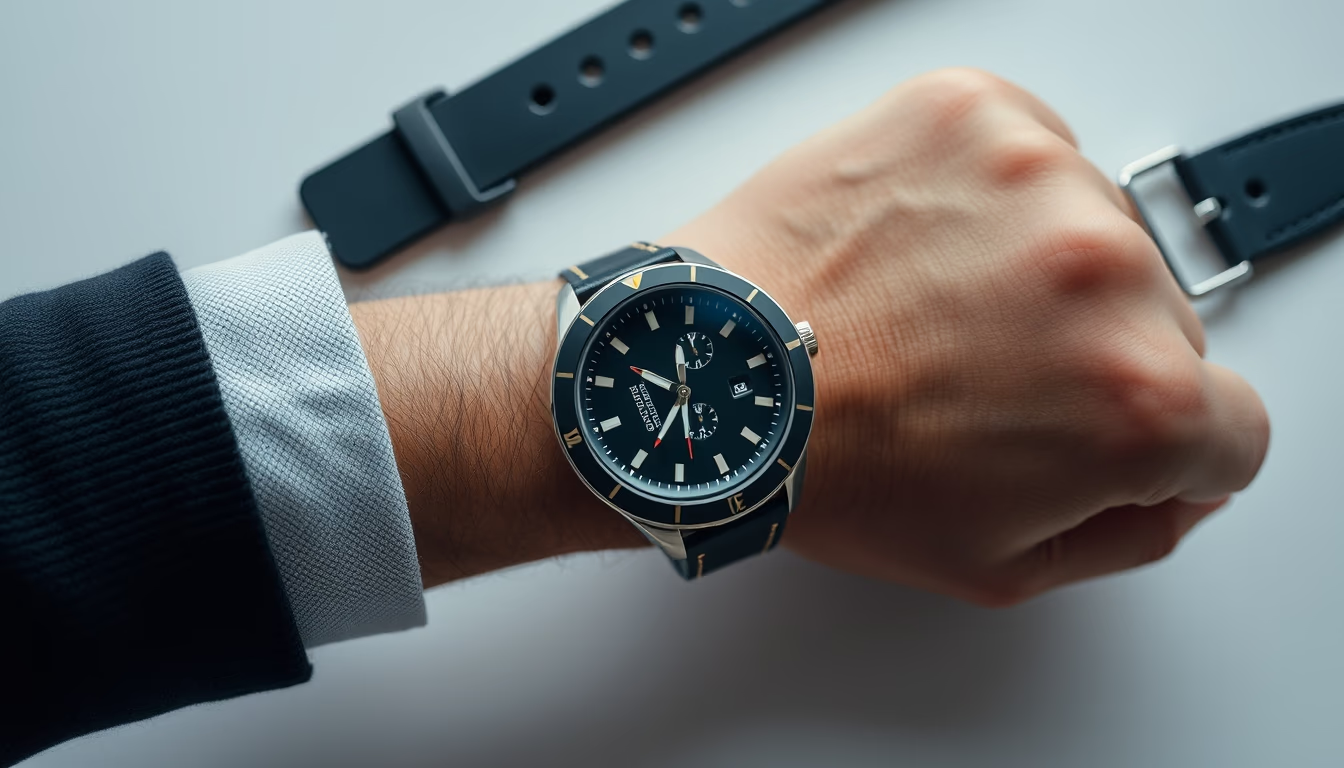
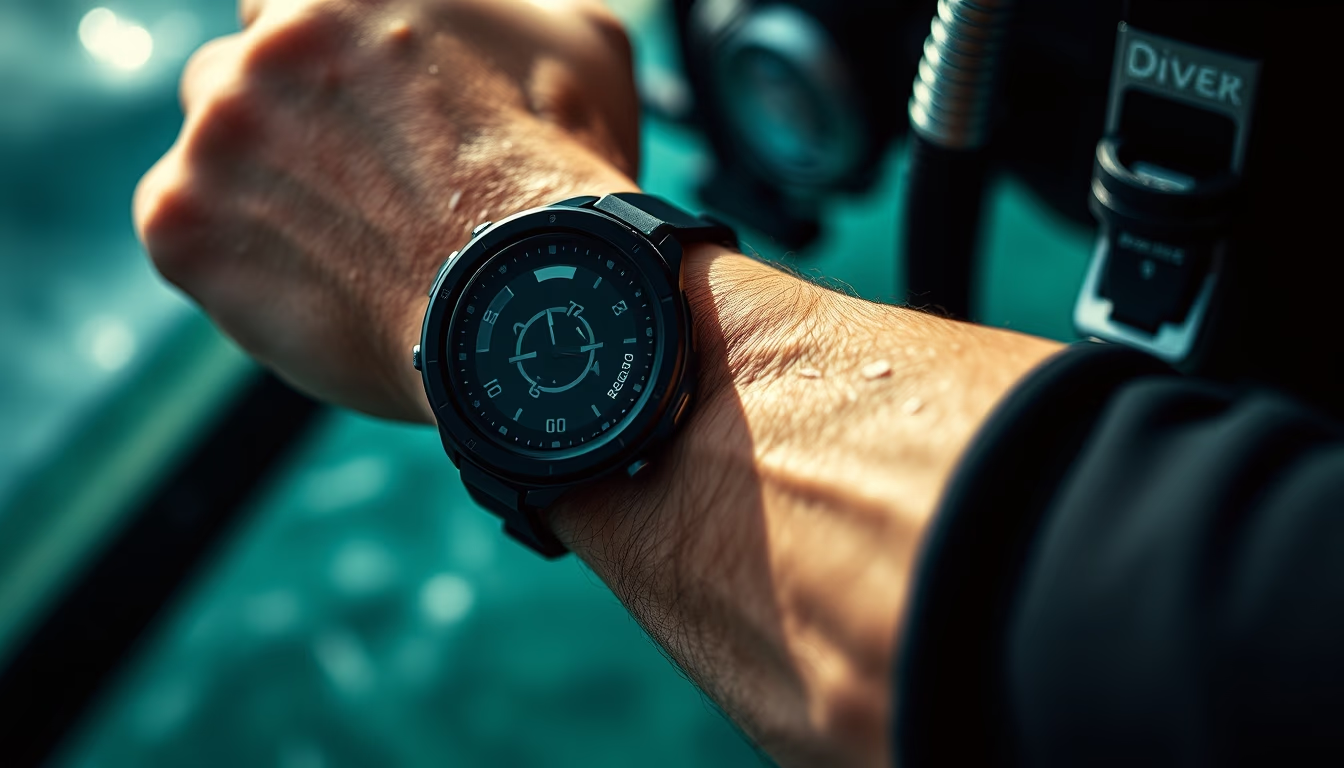
Wrist dive computer: essential device for safety and planning in recreational and technical diving.
About this subject
The wrist dive computer is a portable device that continuously monitors depth, bottom time, and decompression during a dive. Unlike traditional dive tables, it calculates real-time nitrogen absorption in body tissues, alerting the diver to no-decompression limits and mandatory stops. These devices became standard in recreational diving from the 1980s, with models like the Suunto Spyder and Oceanic DataMax gaining popularity. Today they incorporate temperature sensors, digital compasses, and Bluetooth connectivity for dive profile downloads.
The evolution of dive computers reflects advances in hyperbaric medicine and microelectronics. Modern models use algorithms such as Bühlmann ZHL-16C or RGBM (Reduced Gradient Bubble Model) to estimate inert gas saturation. Many allow gas switching during the dive (nitrox, trimix) and integration with pressure transmitters for tank pressure monitoring. In Brazil, use is regulated by organizations like CMAS Brasil and SSI, but safety decisions ultimately rest with the diver.
Trivia: the first commercial dive computer, the Deco Brain (1980), was a handheld device requiring manual data input. Wrist models appeared in 1983 with the Deco Bracelet. Today brands like Shearwater, Suunto, and Garmin dominate the market, with prices ranging from USD 300 to USD 3,000. Battery life can reach 30 hours of active diving, and some models offer apnea and freediving modes.
For technical divers, wrist computers with multi-gas support and adjustable algorithms are indispensable. They are also used for altitude diving and as digital logbook recording. Durability is tested to depths equivalent to 100 meters or more.
Frequently Asked Questions
What is the main function of a wrist dive computer?
To monitor depth, dive time, and decompression, calculating nitrogen saturation in tissues to prevent decompression sickness.
Does a dive computer fully replace dive tables?
For recreational dives, yes, provided the diver knows how to use the device. Certification courses still require knowledge of tables.
How to choose the best wrist dive computer?
Consider dive type (recreational, technical, freediving), screen readability, battery life, decompression algorithms, and multi-gas support.
Direct URL
https://pub-c7d6a6ea828543ac903a74a341ccb2e1.r2.dev/imagens/dive-computer-wrist-isometric-flat-lay-fresh14.avifHow to credit
Include a visible link back to UtilizAí. Copy one of the snippets below:
<a href="https://xn--utiliza-eza.com/en/midia/imagens/dive-computer-wrist-isometric-flat-lay-fresh14">Dive computer wrist</a> by <a href="https://xn--utiliza-eza.com">UtilizAí</a>, licensed under <a href="https://creativecommons.org/licenses/by/4.0/">CC BY 4.0</a>.
[Dive computer wrist](https://xn--utiliza-eza.com/en/midia/imagens/dive-computer-wrist-isometric-flat-lay-fresh14) by [UtilizAí](https://xn--utiliza-eza.com), CC BY 4.0
License: CC-BY-4.0