Dia de los muertos altar
1344×768 · AVIF · CC BY 4.0
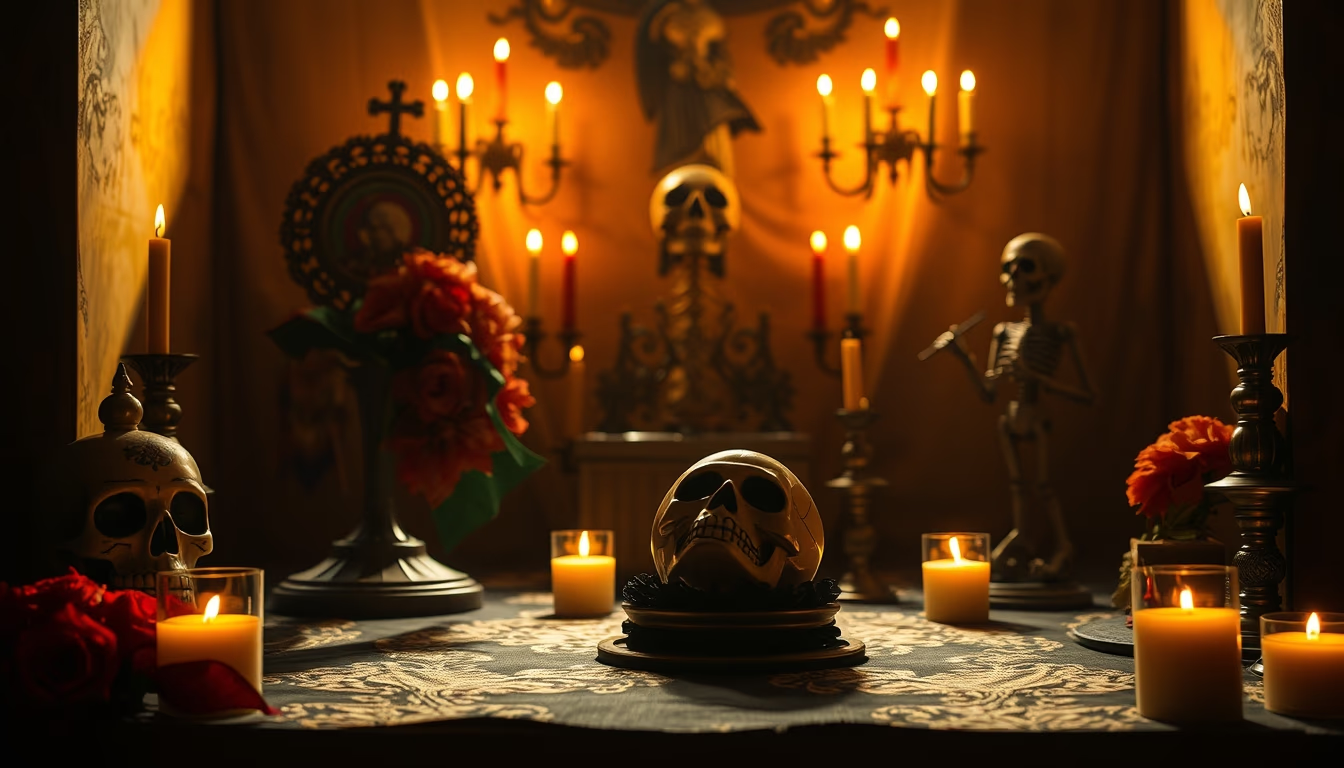
Day of the Dead altar honors ancestors with colorful offerings, marigolds, and candles in a vibrant tradition.
About this subject
The Day of the Dead altar, known as an ofrenda, is the centerpiece of the Mexican celebration held on November 1 and 2. This ancestral tradition, recognized by UNESCO as an Intangible Cultural Heritage of Humanity, blends indigenous Aztec customs with Catholicism brought by the Spanish. Altars are set up in homes, cemeteries, and public spaces to welcome the souls of the deceased, who are believed to return on these days to visit their loved ones.
Each item placed on the altar carries deep meaning. Water quenches the souls' thirst after their long journey. Lit candles light their path back. Salt purifies and protects. Bright orange marigolds (cempasúchil) create fragrant trails for the souls to follow. Colorful papel picado represents the wind and the fleeting nature of life. Photographs identify the departed, while their favorite foods and drinks (such as tamales, pan de muerto, and tequila) please them.
The levels of the altar also hold symbolism. Traditional two- or three-tiered altars represent heaven and earth, or purgatory. Seven-tiered altars symbolize the seven deadly sins or the seven heavens of Aztec cosmology. In many communities, ofrendas include personal belongings of the deceased, like clothing, tools, or books. Sugar skulls (calaveritas) and clay skeletons remind of death in a playful, irreverent way, a hallmark of Mexican culture.
The practice extends beyond Mexico. Latino communities in the United States and other countries also build altars, adapting local elements. Artists and institutions often create public ofrendas with contemporary themes, such as tributes to disaster victims or cultural figures. Thus, the altar is more than decoration: it is an act of memory, affection, and continuity between the living and the dead.
Frequently Asked Questions
What does the Day of the Dead altar mean?
The altar, or ofrenda, is a space set up to welcome the souls of the deceased who return during Day of the Dead. Each element (candles, flowers, food, photos) has a symbolic purpose: to guide, purify, nourish, and honor the ancestors.
What are the essential elements of a Day of the Dead altar?
Essential elements include: water, candles, salt, marigolds (cempasúchil), papel picado, photographs of the deceased, their favorite foods, and pan de muerto. Personal items, sugar skulls, and incense may also be added.
Why does the altar have different levels?
Levels represent planes of existence. Two-tiered altars symbolize heaven and earth; three-tiered add purgatory. Seven-tiered altars correspond to the seven deadly sins or the seven heavens of Aztec cosmology, common in areas with strong indigenous traditions.
Direct URL
https://pub-c7d6a6ea828543ac903a74a341ccb2e1.r2.dev/imagens/dia-de-los-muertos-altar-rembrandt-lighting-dramatic-shadows-fresh9.avifHow to credit
Include a visible link back to UtilizAí. Copy one of the snippets below:
<a href="https://xn--utiliza-eza.com/en/midia/imagens/dia-de-los-muertos-altar-rembrandt-lighting-dramatic-shadows-fresh9">Dia de los muertos altar</a> by <a href="https://xn--utiliza-eza.com">UtilizAí</a>, licensed under <a href="https://creativecommons.org/licenses/by/4.0/">CC BY 4.0</a>.
[Dia de los muertos altar](https://xn--utiliza-eza.com/en/midia/imagens/dia-de-los-muertos-altar-rembrandt-lighting-dramatic-shadows-fresh9) by [UtilizAí](https://xn--utiliza-eza.com), CC BY 4.0
License: CC-BY-4.0