Dia de los muertos altar
1344×768 · AVIF · CC BY 4.0
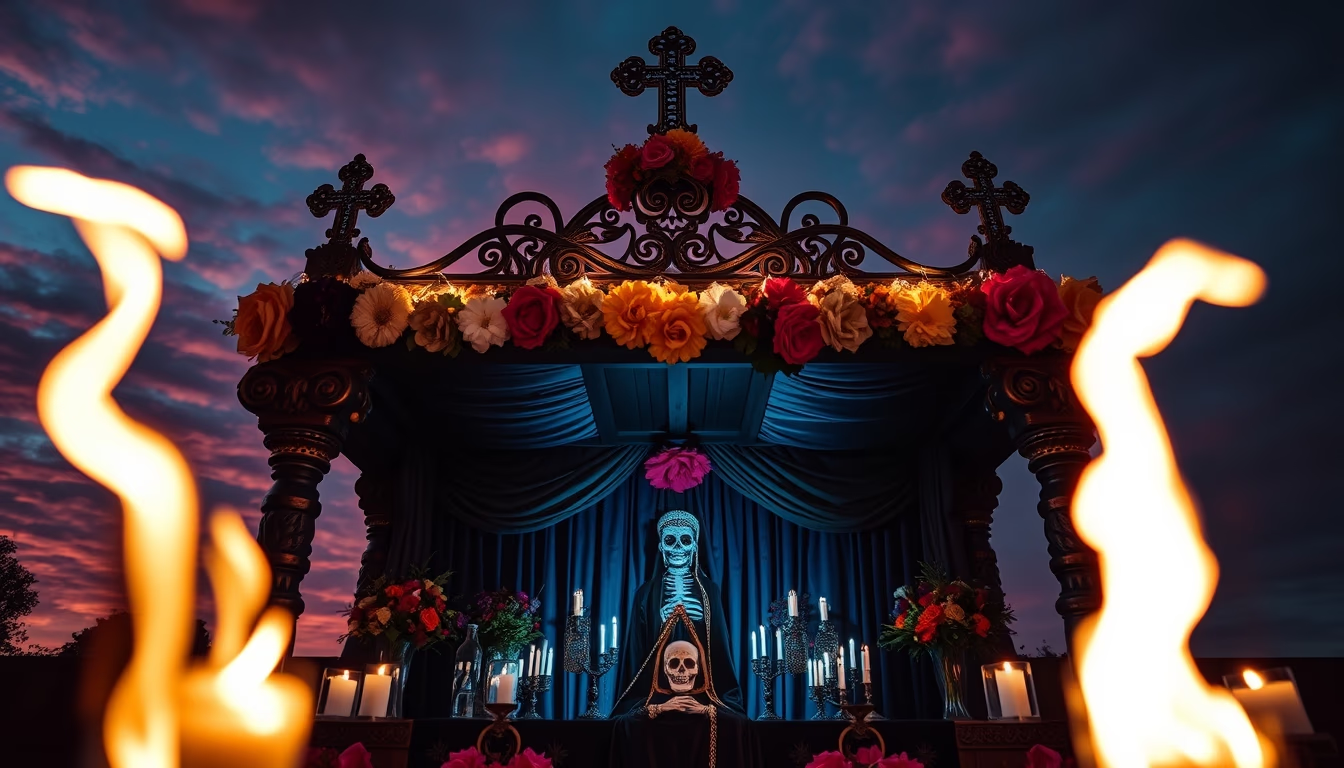
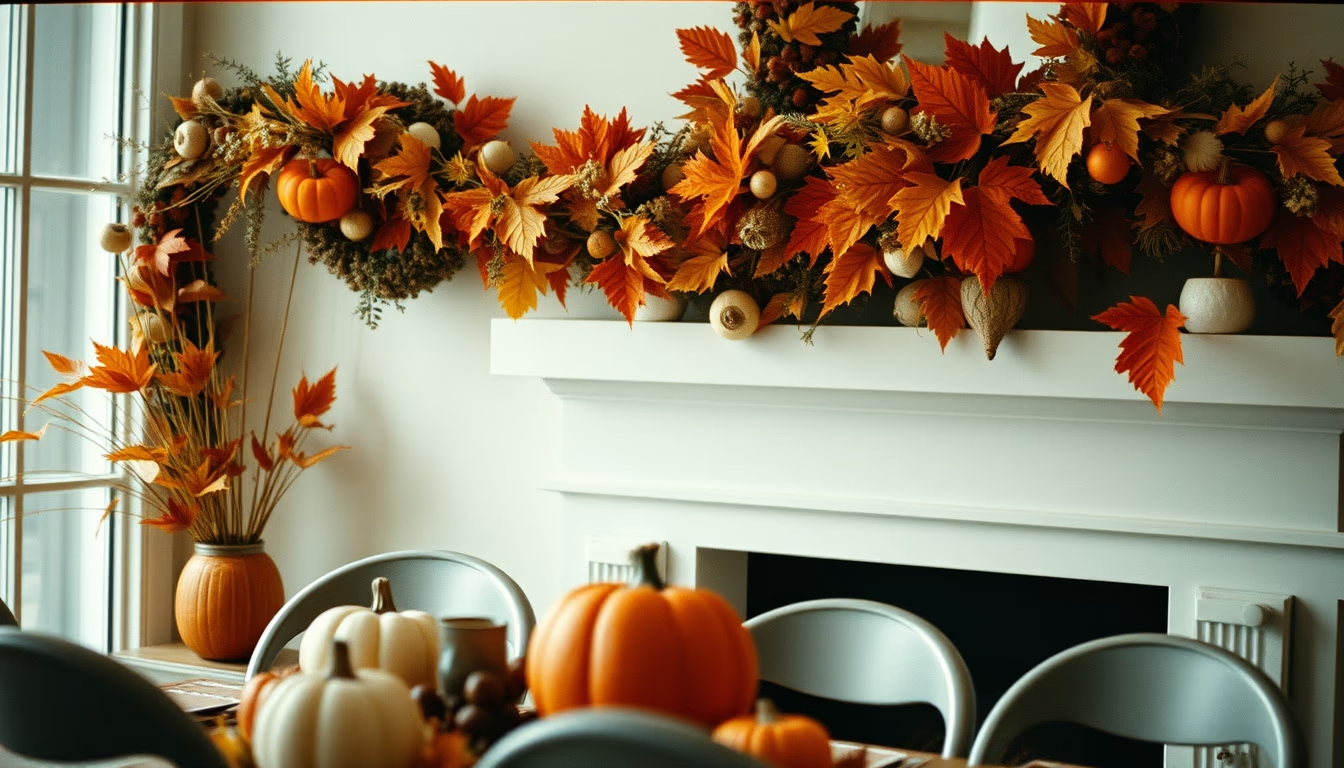
The Dia de los Muertos altar is the heart of the celebration, the structure where families honor their loved ones with offerings.
About this subject
The altar, also called ofrenda, is the central element of Dia de los Muertos, a Mexican tradition recognized by UNESCO as Intangible Cultural Heritage of Humanity in 2008. Set up in homes and cemeteries between October 31 and November 2, it serves as a symbolic portal to welcome the souls of the deceased. Each level carries meaning: the sky, the earth, and the underworld; or the stages of life. Altars are decorated with orange and purple papel picado, representing wind and mourning, and candles that light the souls' way.
Typical offerings include photographs of the dead, copal (incense) to purify the environment, water to quench thirst after the long journey, and salt as a purification symbol. The bright orange cempasúchil flowers (marigolds) are essential: their petals form paths that guide the spirits. Food varies: pan de muerto, tamales, fruits, and sugar or chocolate skulls (calaveras) with the deceased's name. For children (angelitos), the altar includes toys and sweets.
Altar origins trace back to Mesoamerican civilizations like the Aztecs, who performed rituals with human skulls during the ninth month festival. With the Spanish arrival, the tradition syncretized with Catholicism, today, the altar may include saint images or crosses. Each element has purpose: copal repels evil spirits, the candle represents light and faith, and papel picado symbolizes life's fragility. In some communities, like Mixquic, altars are monumental and occupy entire squares.
Today, altars are also built by schools, museums, and companies, keeping the cultural memory alive. The practice reinforces the Mexican view of death as a continuation of life, not an end. While preparing the altar, families revisit stories and celebrate the loved one's identity, strengthening bonds between the living and the dead.
Frequently Asked Questions
Why are cempasúchil flowers used on the altar?
Cempasúchil flowers, with their intense orange color, are used because their petals form paths that guide the souls of the dead back to the world of the living. Additionally, their strong scent helps attract the spirits.
What does each level of the Dia de los Muertos altar mean?
Traditionally, the altar has three levels: the top represents heaven or saints, the middle represents earth with offerings for the dead, and the bottom represents the underworld or purgatory. Some altars have seven levels, symbolizing the deadly sins or the stages of life.
What are the essential elements of a Dia de los Muertos altar?
Essential elements include photos of the deceased, candles, copal, cempasúchil flowers, water, salt, papel picado, sugar skulls, pan de muerto, and the favorite foods and drinks of the dead. For children, toys and sweets are added.
Direct URL
https://pub-c7d6a6ea828543ac903a74a341ccb2e1.r2.dev/imagens/dia-de-los-muertos-altar-long-exposure-fresh5.avifHow to credit
Include a visible link back to UtilizAí. Copy one of the snippets below:
<a href="https://xn--utiliza-eza.com/en/midia/imagens/dia-de-los-muertos-altar-long-exposure-fresh5">Dia de los muertos altar</a> by <a href="https://xn--utiliza-eza.com">UtilizAí</a>, licensed under <a href="https://creativecommons.org/licenses/by/4.0/">CC BY 4.0</a>.
[Dia de los muertos altar](https://xn--utiliza-eza.com/en/midia/imagens/dia-de-los-muertos-altar-long-exposure-fresh5) by [UtilizAí](https://xn--utiliza-eza.com), CC BY 4.0
License: CC-BY-4.0