Dia de los muertos altar
1344×768 · AVIF · CC BY 4.0
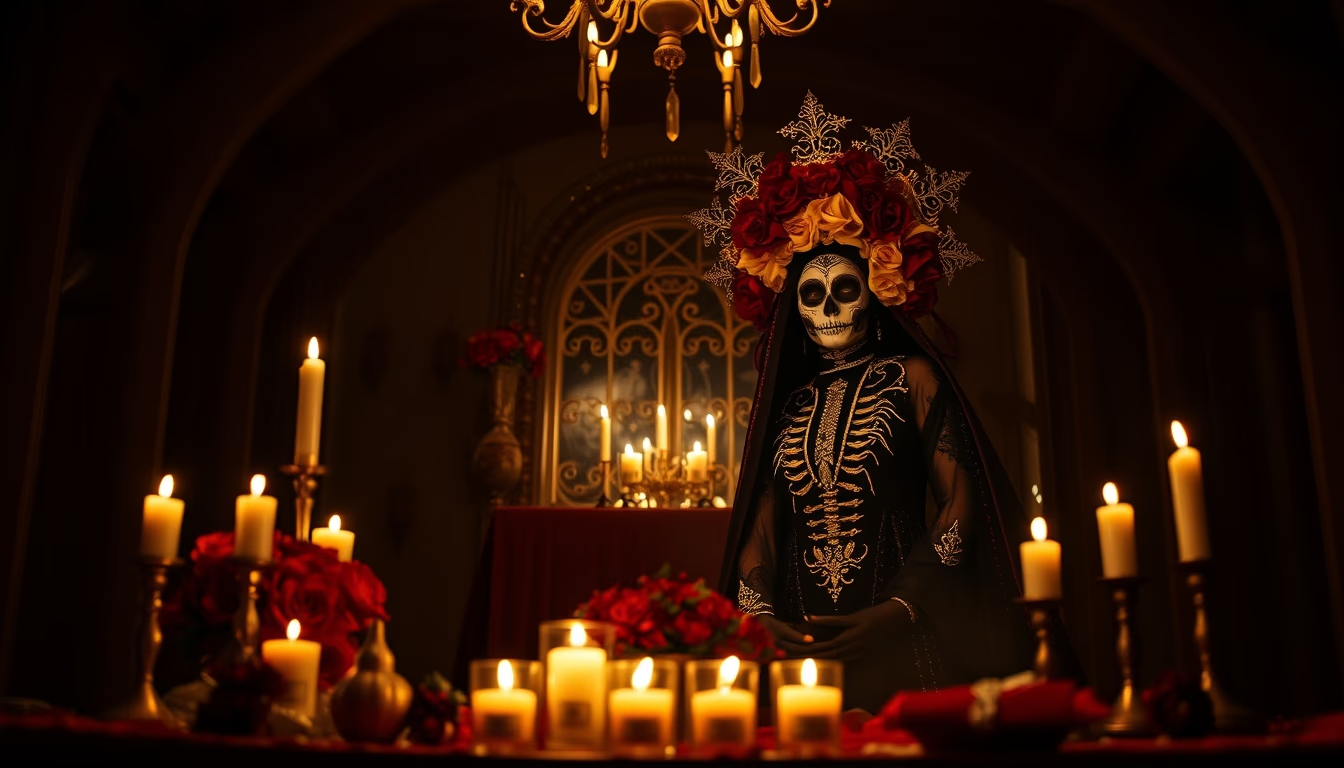
The Dia de los Muertos altar is a Mexican offering honoring the deceased with colors, flowers and traditional foods, representing death as a celebration.
About this subject
The Dia de los Muertos altar, or “ofrenda,” is the central element of this Mexican festivity recognized by UNESCO as Intangible Cultural Heritage of Humanity since 2008. Traditionally set up between October 31 and November 2, the altar welcomes the souls of loved ones returning to the world of the living. Every detail carries symbolism: copal or incense purifies the environment; water quenches the soul’s thirst after the long journey; candles represent the light guiding the way. Images of saints, such as the Virgin of Guadalupe, are also common.
Cempasúchil flowers, in vibrant orange, form paths leading the souls to the offering. Colorful papel picado symbolizes the wind and the fragility of life. Foods like pan de muerto, tamales, fruits and sugar skull candies are arranged to please the spiritual visitors. Sugar or chocolate skulls with names written on the forehead remind that death is sweet and should not be feared. The arrangement follows a tiered structure representing the material and spiritual worlds.
In Mexico, the altar varies by region. In indigenous Purépecha communities of Michoacán, for instance, offerings include dried fish and tequila, reflecting local traditions. In Oaxaca, the altar often has more than three levels, with photographs and personal items of the deceased. The tradition blends pre-Hispanic and Catholic elements, a result of syncretism after the Spanish conquest. Today, the Dia de los Muertos altar has also gained space in art exhibitions and fashion shows, being reinterpreted in contemporary contexts without losing its essence.
Frequently Asked Questions
What must be present on a Dia de los Muertos altar?
Essential elements include photos of the deceased, candles, cempasúchil flowers, water, salt, copal incense, papel picado, sugar skulls, and foods like pan de muerto. Each item is believed to attract and please the visiting souls.
Why does the Dia de los Muertos altar have several levels?
Traditionally, the levels represent heaven, earth, and the underworld. Three-tier altars symbolize the celestial, terrestrial, and infernal planes; seven-tier altars may represent the seven deadly sins or the stages to reach eternal rest.
Is Dia de los Muertos only celebrated in Mexico?
Though most famous in Mexico, Latin American communities in the US, Central America, and even Europe also set up altars. The date coincides with American Halloween and Catholic All Souls' Day, but maintains unique elements of Mexican culture.
Direct URL
https://pub-c7d6a6ea828543ac903a74a341ccb2e1.r2.dev/imagens/dia-de-los-muertos-altar-high-fashion-editorial-fresh0.avifHow to credit
Include a visible link back to UtilizAí. Copy one of the snippets below:
<a href="https://xn--utiliza-eza.com/en/midia/imagens/dia-de-los-muertos-altar-high-fashion-editorial-fresh0">Dia de los muertos altar</a> by <a href="https://xn--utiliza-eza.com">UtilizAí</a>, licensed under <a href="https://creativecommons.org/licenses/by/4.0/">CC BY 4.0</a>.
[Dia de los muertos altar](https://xn--utiliza-eza.com/en/midia/imagens/dia-de-los-muertos-altar-high-fashion-editorial-fresh0) by [UtilizAí](https://xn--utiliza-eza.com), CC BY 4.0
License: CC-BY-4.0