Dia de los muertos altar
1344×768 · AVIF · CC BY 4.0
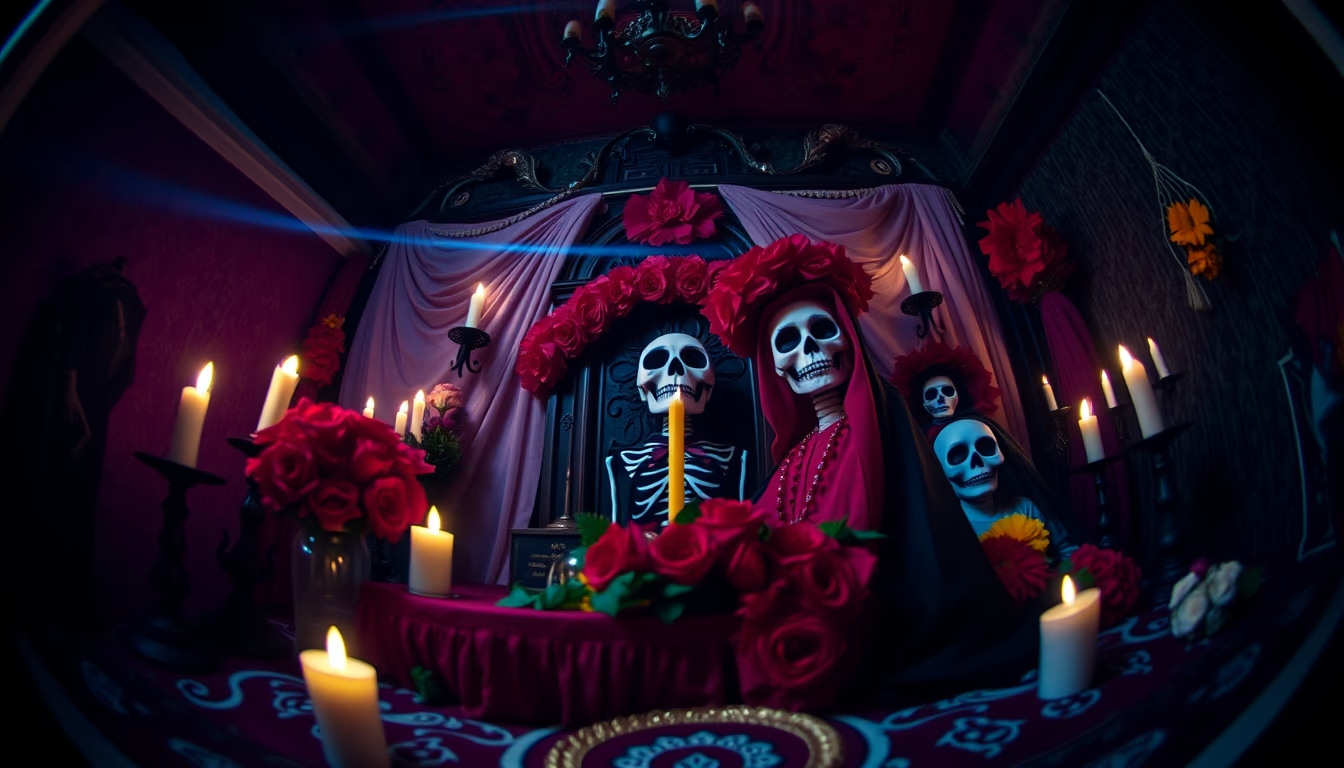
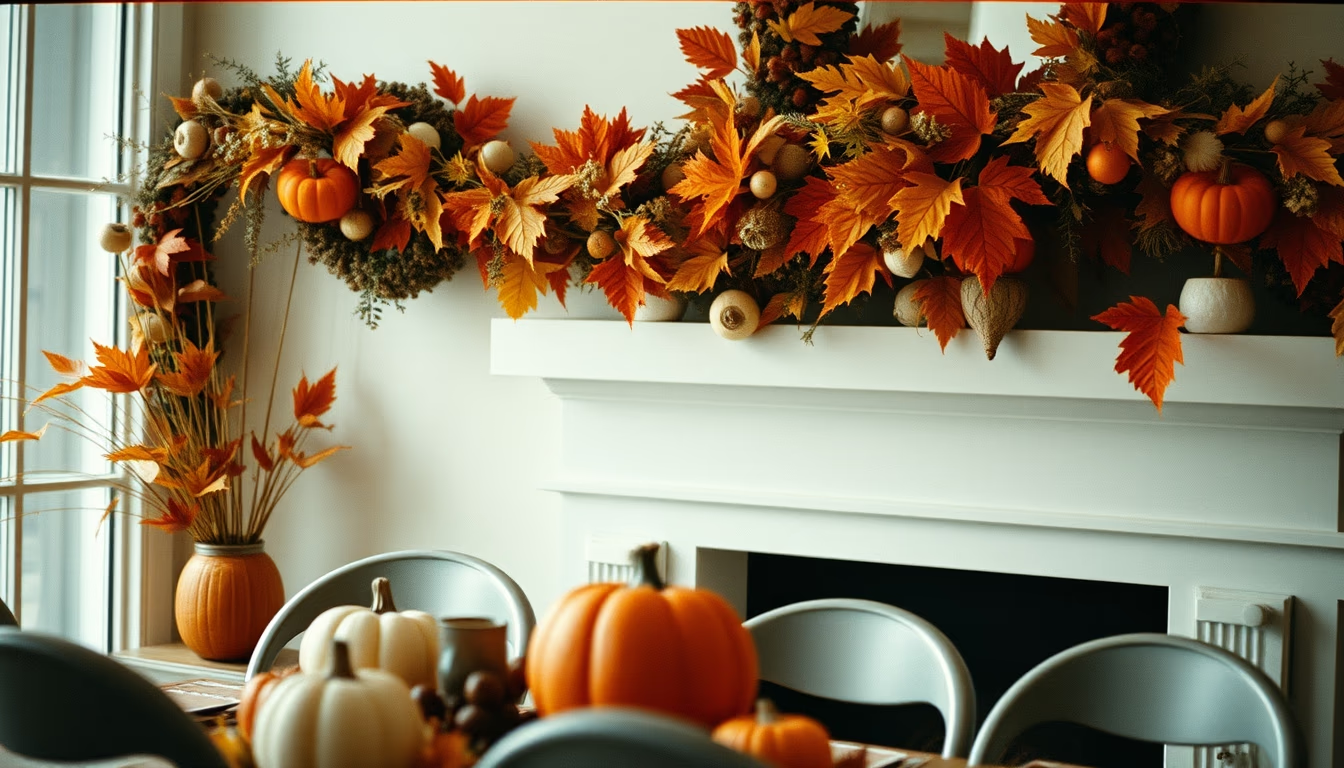
The Day of the Dead altar (ofrenda) is a vibrant offering honoring deceased loved ones, rooted in Mesoamerican indigenous traditions and Catholic influences.
About this subject
The Day of the Dead altar, or ofrenda, is the centerpiece of the Mexican celebration held on November 1 and 2. Recognized by UNESCO as an Intangible Cultural Heritage of Humanity in 2008, the altar blends pre-Hispanic and Christian symbols to guide the souls of the deceased back to the world of the living. Each level of the structure carries meaning: heaven, earth, and the underworld, represented by items such as candles (fire), marigold flowers (earth), papel picado (air), and water (to quench the soul's thirst after the long journey).
Essential elements include photographs of the honored deceased, lit candles to illuminate the path, copal incense to purify the environment, and traditional sugar skulls (calaveras) that symbolize death in a playful manner. The bread of the dead (pan de muerto), a sweet bread decorated with bone-shaped pieces, is placed as food, along with fruits, alcoholic beverages, and favorite objects of the departed. Bright orange marigolds are scattered along a pathway leading to the altar, as their scent is believed to attract the souls.
The practice of building altars is deeply rooted in Mexican culture, varying by region and ethnicity. In rural communities, altars may be simple, using natural elements; in cities, they become elaborate artistic installations, fostering creativity. The altar is not merely decoration but an act of memory and cultural resistance, strengthening family and community bonds by celebrating life beyond death.
Frequently Asked Questions
What does each level of the Day of the Dead altar represent?
Traditionally, an altar has three levels symbolizing heaven, earth, and the underworld. The top level often holds religious images, the middle level the offerings and photos of the deceased, and the bottom level candles and flowers to guide the way.
Why are marigold flowers used in Day of the Dead altars?
Marigolds, known as 'flor de muerto' or 'flower of the dead', are believed to have a strong scent and vibrant color that help attract and guide the souls of loved ones to the altar.
What is the difference between Day of the Dead and Halloween?
Though close on the calendar, Day of the Dead (November 1-2) is an indigenous celebration honoring the dead with joy and remembrance, while Halloween (October 31) has Celtic origins focusing on costumes and treats.
Direct URL
https://pub-c7d6a6ea828543ac903a74a341ccb2e1.r2.dev/imagens/dia-de-los-muertos-altar-fish-eye-wide-angle-fresh7.avifHow to credit
Include a visible link back to UtilizAí. Copy one of the snippets below:
<a href="https://xn--utiliza-eza.com/en/midia/imagens/dia-de-los-muertos-altar-fish-eye-wide-angle-fresh7">Dia de los muertos altar</a> by <a href="https://xn--utiliza-eza.com">UtilizAí</a>, licensed under <a href="https://creativecommons.org/licenses/by/4.0/">CC BY 4.0</a>.
[Dia de los muertos altar](https://xn--utiliza-eza.com/en/midia/imagens/dia-de-los-muertos-altar-fish-eye-wide-angle-fresh7) by [UtilizAí](https://xn--utiliza-eza.com), CC BY 4.0
License: CC-BY-4.0