Dermatology tools clean
1344×768 · AVIF · CC BY 4.0
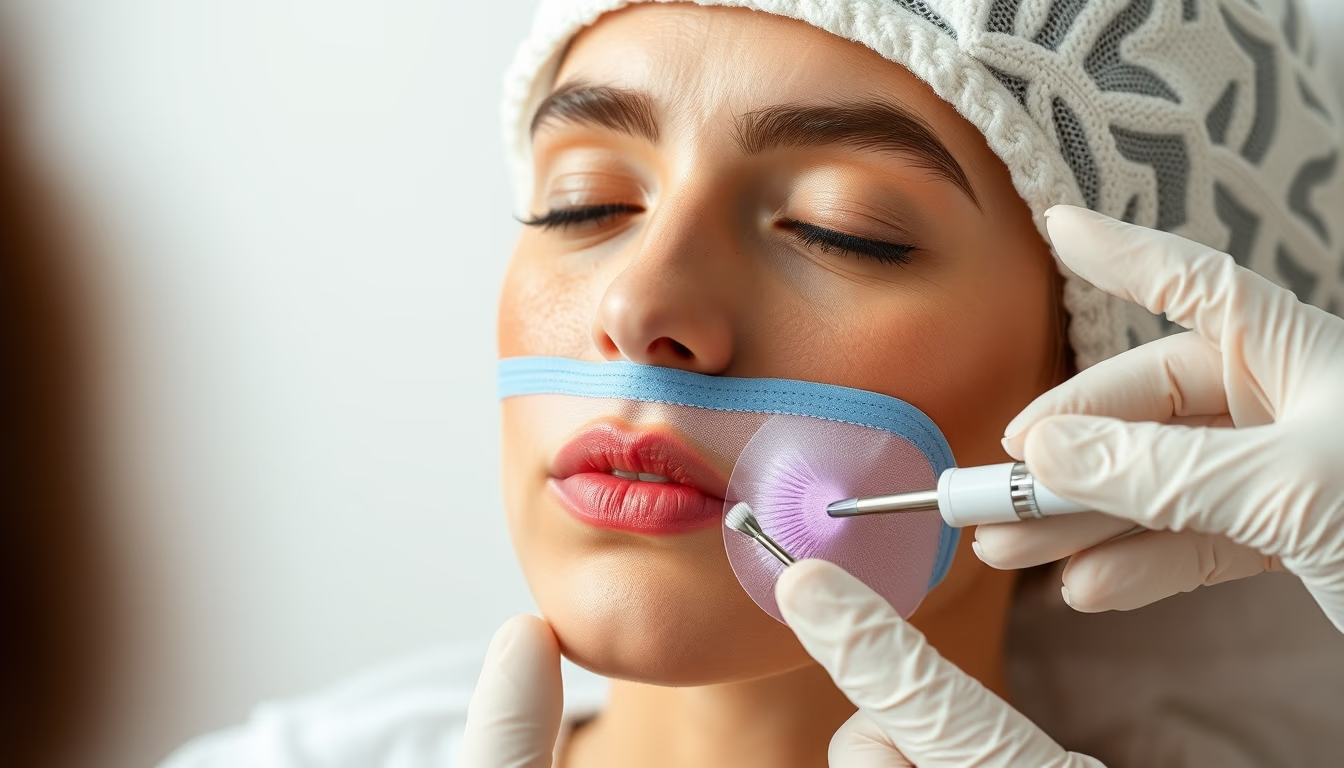
Proper cleaning and sterilization of dermatological instruments are essential for patient safety and infection prevention.
About this subject
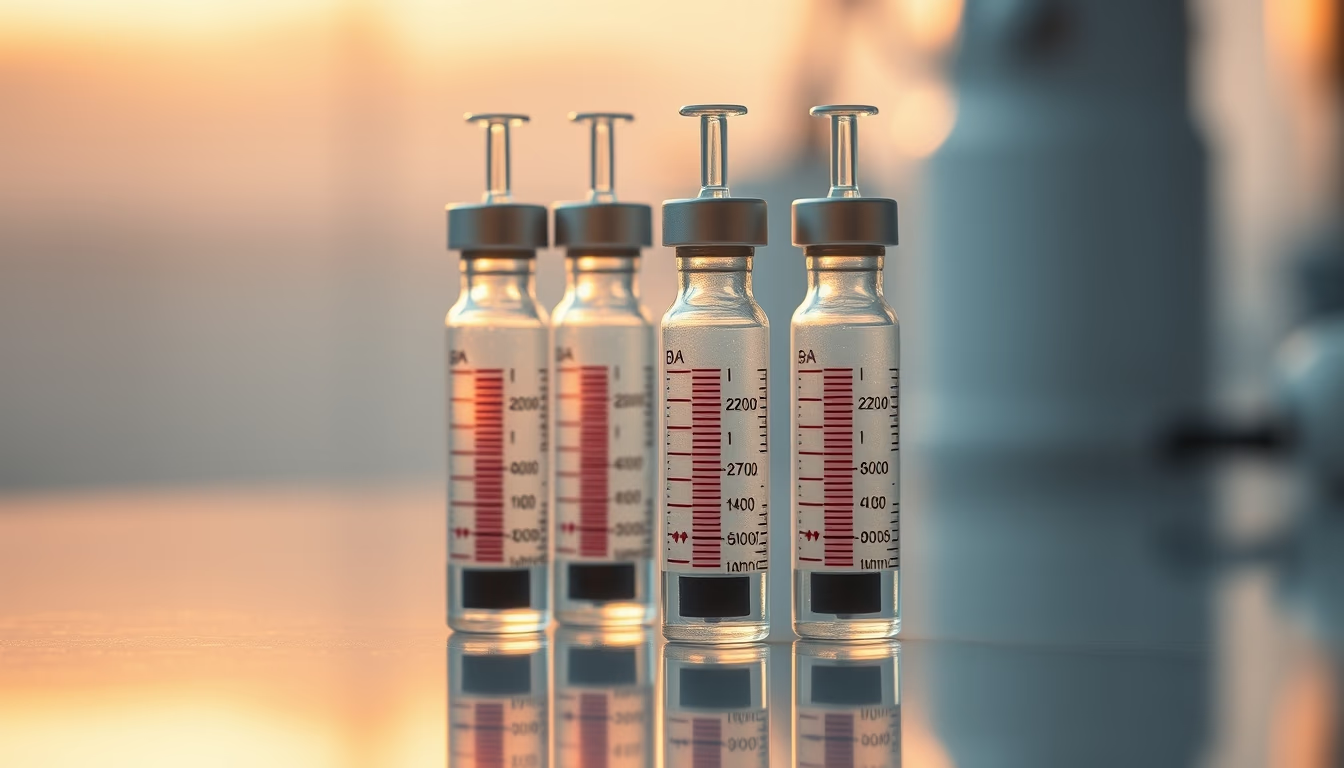
Dermatological instruments include scalpels, forceps, curettes, biopsy blades, and electric devices such as cauterizers and lasers. Each material requires specific cleaning and sterilization protocols to eliminate pathogenic microorganisms. The World Health Organization (WHO) and the Brazilian Health Regulatory Agency (ANVISA) set rigorous guidelines covering initial decontamination to sterilization by autoclave or ethylene oxide.
The process begins with manual or ultrasonic cleaning to remove organic residues, followed by rinsing and drying. Instruments are then packaged in surgical-grade paper or Tyvek and sterilized. Steam autoclaving under pressure (121°C or 134°C) is the most common method, but heat-sensitive instruments may require chemical sterilization with glutaraldehyde or hydrogen peroxide plasma. Validation includes chemical and biological indicators to ensure efficacy.
In Brazil, ANVISA's RDC No. 15/2012 regulates sterilization services in healthcare facilities. Noncompliance can lead to infection outbreaks, such as hepatitis B and C transmitted by contaminated materials in aesthetic dermatology clinics. Studies indicate that up to 30% of reusable instruments in clinics may show sterilization failures if protocols are not strictly followed.
Interestingly, bacterial biofilms can form on instrument surfaces even after apparent cleaning, requiring enzymatic agents for complete removal. Traceability of sterilization batches is mandatory in many countries, including Brazil, allowing quick identification of failures. Recent innovations include low-temperature plasma sterilization systems, which reduce time and prevent damage to delicate instruments.
Frequently Asked Questions
What are the main sterilization methods used for dermatological instruments?
The most common methods are steam autoclaving (moist heat under pressure), ethylene oxide (for heat-sensitive materials), and hydrogen peroxide plasma. The choice depends on the instrument type and thermal resistance.
How can one ensure sterilization effectiveness?
Chemical indicators (tapes or integrators that change color) and biological indicators (vials with bacterial spores) are used and incubated to verify complete elimination of microorganisms.
What is the Brazilian regulation on sterilization of dermatological materials?
ANVISA's RDC No. 15/2012 establishes good practices for processing health products, including cleaning, disinfection, and sterilization, mandatory in clinics and hospitals.
Direct URL
https://pub-c7d6a6ea828543ac903a74a341ccb2e1.r2.dev/imagens/dermatology-tools-clean-national-geographic-style-p2.avifHow to credit
Include a visible link back to UtilizAí. Copy one of the snippets below:
<a href="https://xn--utiliza-eza.com/en/midia/imagens/dermatology-tools-clean-national-geographic-style-p2">Dermatology tools clean</a> by <a href="https://xn--utiliza-eza.com">UtilizAí</a>, licensed under <a href="https://creativecommons.org/licenses/by/4.0/">CC BY 4.0</a>.
[Dermatology tools clean](https://xn--utiliza-eza.com/en/midia/imagens/dermatology-tools-clean-national-geographic-style-p2) by [UtilizAí](https://xn--utiliza-eza.com), CC BY 4.0
License: CC-BY-4.0