Dermatology tools clean
1344×768 · AVIF · CC BY 4.0
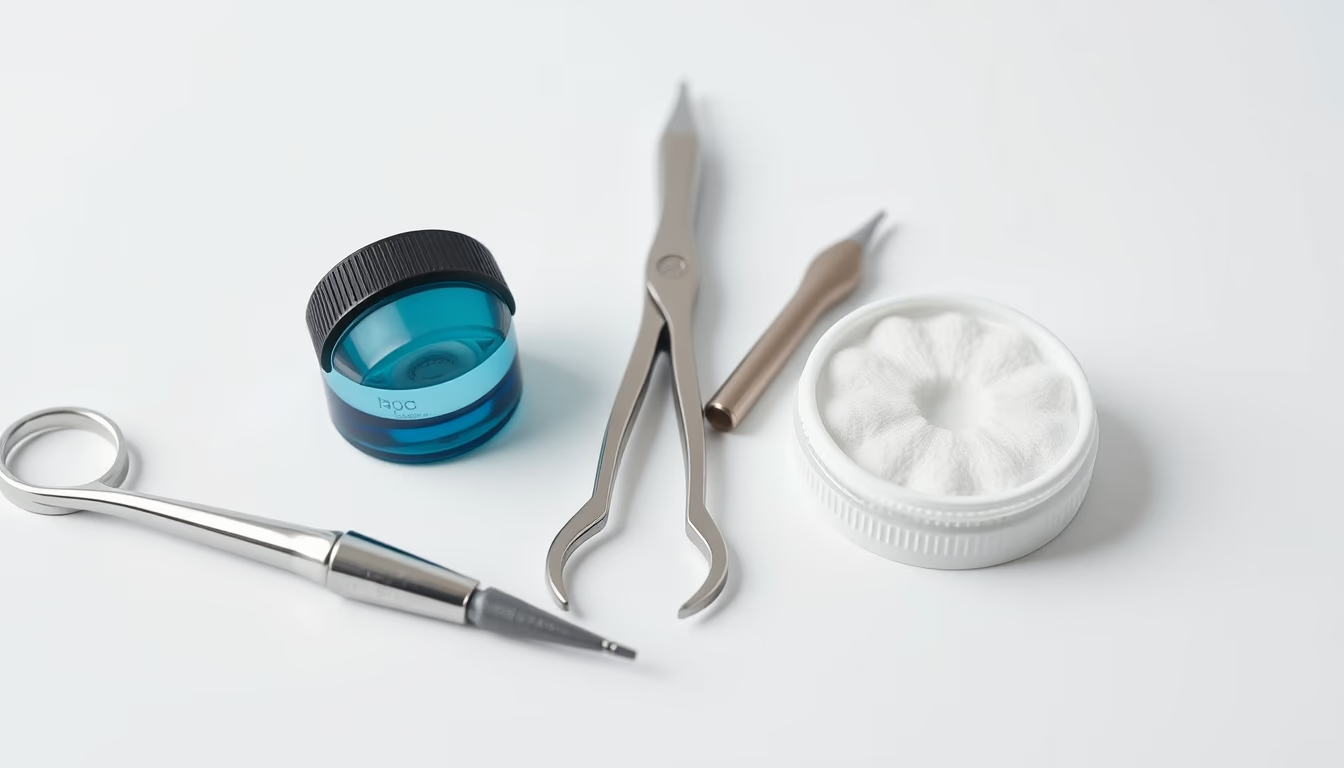
Clean and sterilized dermatology tools are essential for safe procedures, including blades, forceps, and curettes.
About this subject
Dermatological instruments are designed for diagnostic and treatment procedures of the skin, such as biopsies, lesion excisions, and cosmetic surgeries. They include scalpel blades, biopsy forceps, dermatological curettes, and cautery loops, each with a specific function. Strict cleaning and sterilization are mandatory to prevent cross-infection, following protocols like autoclaving at 121°C or chemical disinfection with glutaraldehyde.
Modern dermatology uses instruments made of surgical stainless steel or titanium, which withstand high temperatures and resist corrosion. Many are disposable to avoid contamination. The design of curettes varies in size and edge shape for different lesion types (e.g., Brocq, Fox, or Hebra curettes). Biopsy forceps (such as punch types) have circular blades that precisely cut skin samples.
Beyond manual instruments, electrical devices like dermatomes (for skin grafts) and lasers also require meticulous cleaning. Routine maintenance includes lubricating joints and visual inspection for damage. Proper cleaning of instruments is as critical as their selection for procedure success.
In Brazil, ANVISA regulations (RDC 15/2012) govern the processing of health products, including dermatological ones. Hospitals and clinics must follow these guidelines to ensure patient safety. The image highlights a typical set of clean instruments, organized on a sterile field, ready for use in an office setting.
Frequently Asked Questions
What are the main instruments used in dermatology?
Main instruments include scalpels, biopsy forceps (punch), curettes, scraping blades, cautery loops, and dermatomes. Each is used for specific procedures such as biopsies, excisions, or scrapings.
How are dermatological instruments sterilized?
Sterilization is usually done by autoclaving (steam at 121°C), dry heat oven, or immersion in high-level chemical disinfectants like glutaraldehyde. Disposable instruments are used only once.
Why is cleaning instruments so important in dermatology?
Cleaning prevents cross-infection between patients and protects instrument integrity. Dirty instruments can cause wound contamination and transmission of pathogens such as bacteria and viruses.
Direct URL
https://pub-c7d6a6ea828543ac903a74a341ccb2e1.r2.dev/imagens/dermatology-tools-clean-commercial-product-photography-p0.avifHow to credit
Include a visible link back to UtilizAí. Copy one of the snippets below:
<a href="https://xn--utiliza-eza.com/en/midia/imagens/dermatology-tools-clean-commercial-product-photography-p0">Dermatology tools clean</a> by <a href="https://xn--utiliza-eza.com">UtilizAí</a>, licensed under <a href="https://creativecommons.org/licenses/by/4.0/">CC BY 4.0</a>.
[Dermatology tools clean](https://xn--utiliza-eza.com/en/midia/imagens/dermatology-tools-clean-commercial-product-photography-p0) by [UtilizAí](https://xn--utiliza-eza.com), CC BY 4.0
License: CC-BY-4.0