Dead sea scrolls fragment
1344×768 · AVIF · CC BY 4.0
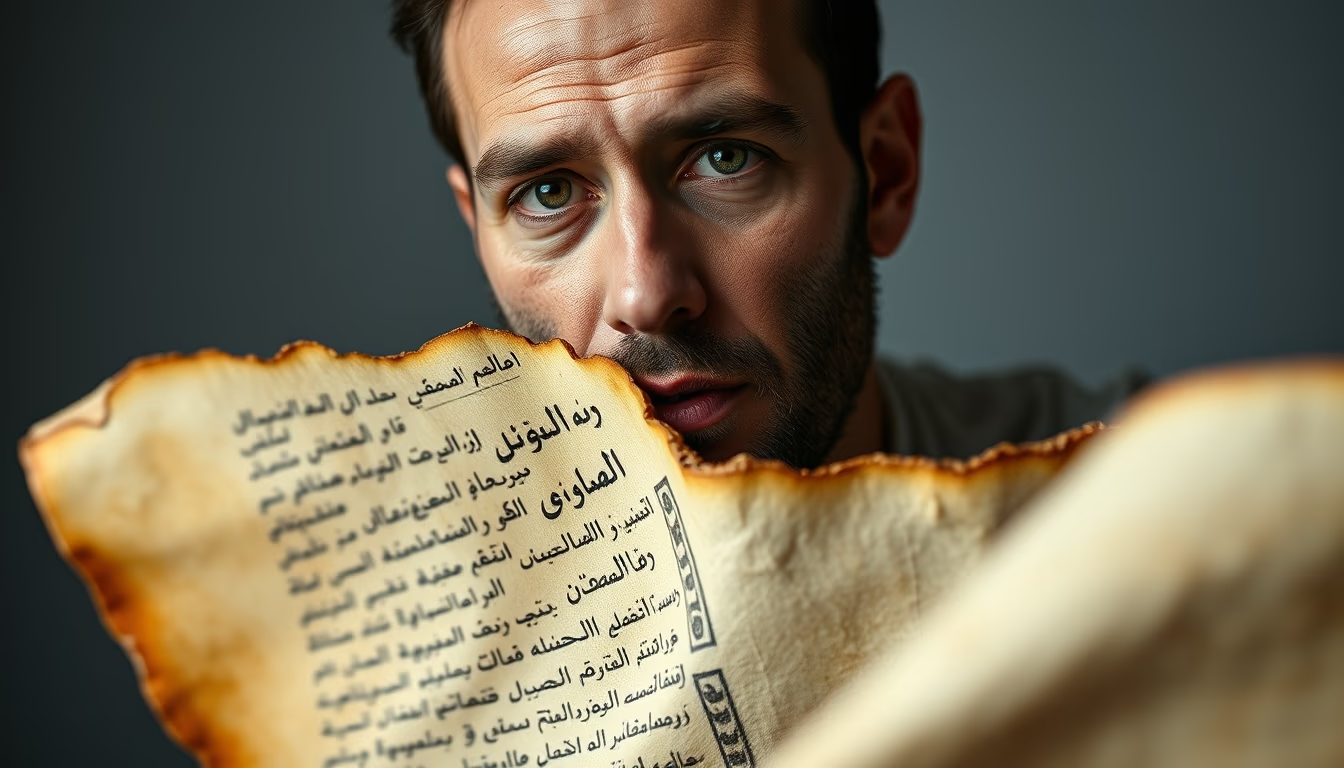
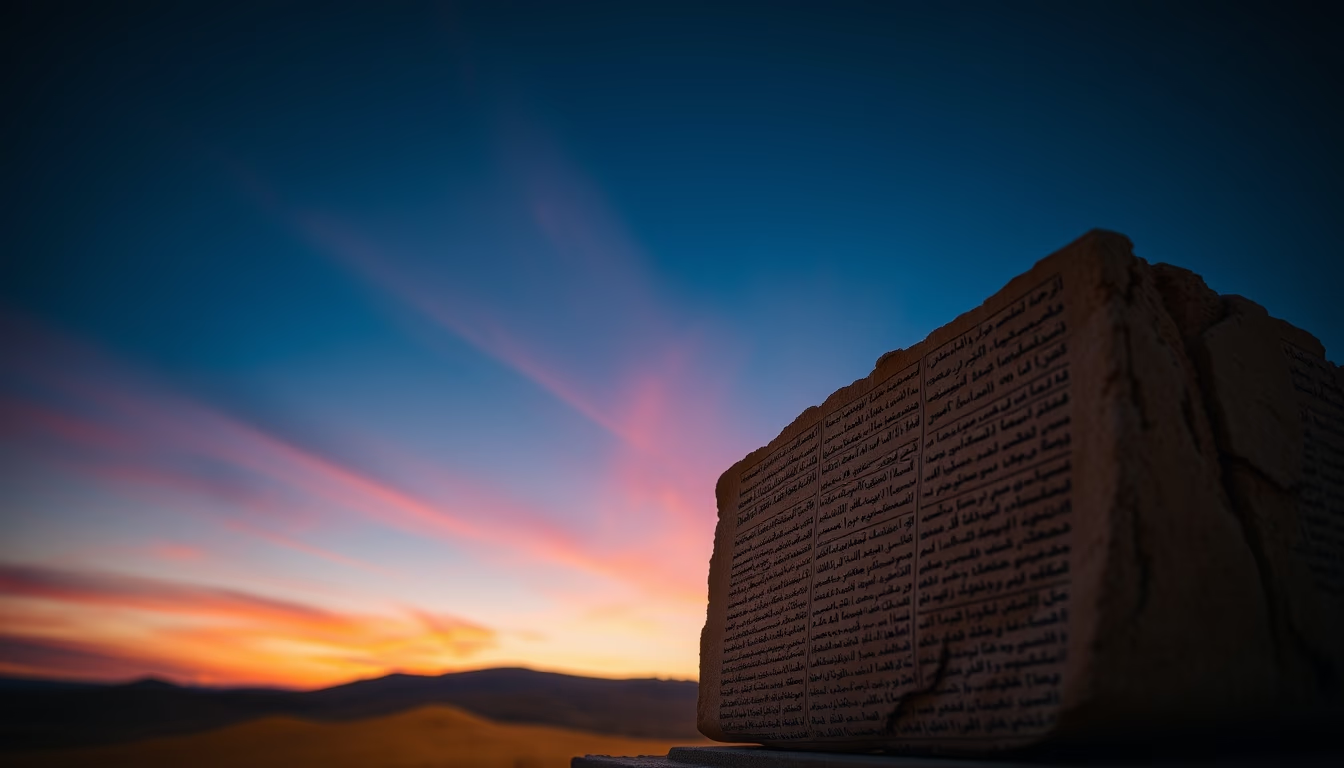
Fragment of the Dead Sea Scrolls, discovered in the Qumran caves, dating from the 3rd century BCE to the 1st century CE.
About this subject
The Dead Sea Scrolls represent one of the most significant archaeological discoveries of the 20th century. Uncovered between 1947 and 1956 in eleven caves near Qumran, in the West Bank, these parchments and papyri contain texts in Hebrew, Aramaic, and Greek. The collection includes copies of biblical books, such as Isaiah and Psalms, as well as sectarian works from the Essene community that inhabited the area. The fragment shown belongs to this corpus, likely containing passages from one of the scrolls found at the site.
The scrolls date from the Second Temple period, between 250 BCE and 68 CE, providing a unique window into ancient Judaism and the origins of Christianity. Most texts were written on leather, some on papyrus, and were preserved thanks to the arid cave climate. Approximately 900 different manuscripts have been identified, many in fragmentary condition. The depicted fragment is one of these thousands, often used by scholars to reconstruct earlier versions of the Hebrew Bible.
The historical and religious significance of the Dead Sea Scrolls is immense. They helped confirm the accuracy of later textual transmissions, such as the Masoretic Text, and revealed the diversity of Jewish beliefs before the Temple's destruction in 70 CE. Texts like the Community Rule and the Damascus Document describe the practices of an ascetic sect, possibly the Essenes. These findings also sparked debates on influences on early Christianity. The fragment, though small, contributes to this vast historical mosaic.
Frequently Asked Questions
What are the Dead Sea Scrolls?
They are a collection of ancient Jewish texts, discovered in the Qumran caves, dating from the 3rd century BCE to the 1st century CE. They include biblical copies and sectarian writings.
Where were the Dead Sea Scrolls found?
They were discovered in eleven caves near the archaeological site of Qumran in the West Bank, on the shores of the Dead Sea.
Why is the depicted fragment important?
This fragment, as part of the scrolls, helps scholars reconstruct ancient biblical texts and understand the religious practices of Second Temple Judaism.
Direct URL
https://pub-c7d6a6ea828543ac903a74a341ccb2e1.r2.dev/imagens/dead-sea-scrolls-fragment-studio-editorial-portrait-fresh5.avifHow to credit
Include a visible link back to UtilizAí. Copy one of the snippets below:
<a href="https://xn--utiliza-eza.com/en/midia/imagens/dead-sea-scrolls-fragment-studio-editorial-portrait-fresh5">Dead sea scrolls fragment</a> by <a href="https://xn--utiliza-eza.com">UtilizAí</a>, licensed under <a href="https://creativecommons.org/licenses/by/4.0/">CC BY 4.0</a>.
[Dead sea scrolls fragment](https://xn--utiliza-eza.com/en/midia/imagens/dead-sea-scrolls-fragment-studio-editorial-portrait-fresh5) by [UtilizAí](https://xn--utiliza-eza.com), CC BY 4.0
License: CC-BY-4.0