Corn cob fresh harvest in farmer hands
1344×768 · AVIF · CC BY 4.0
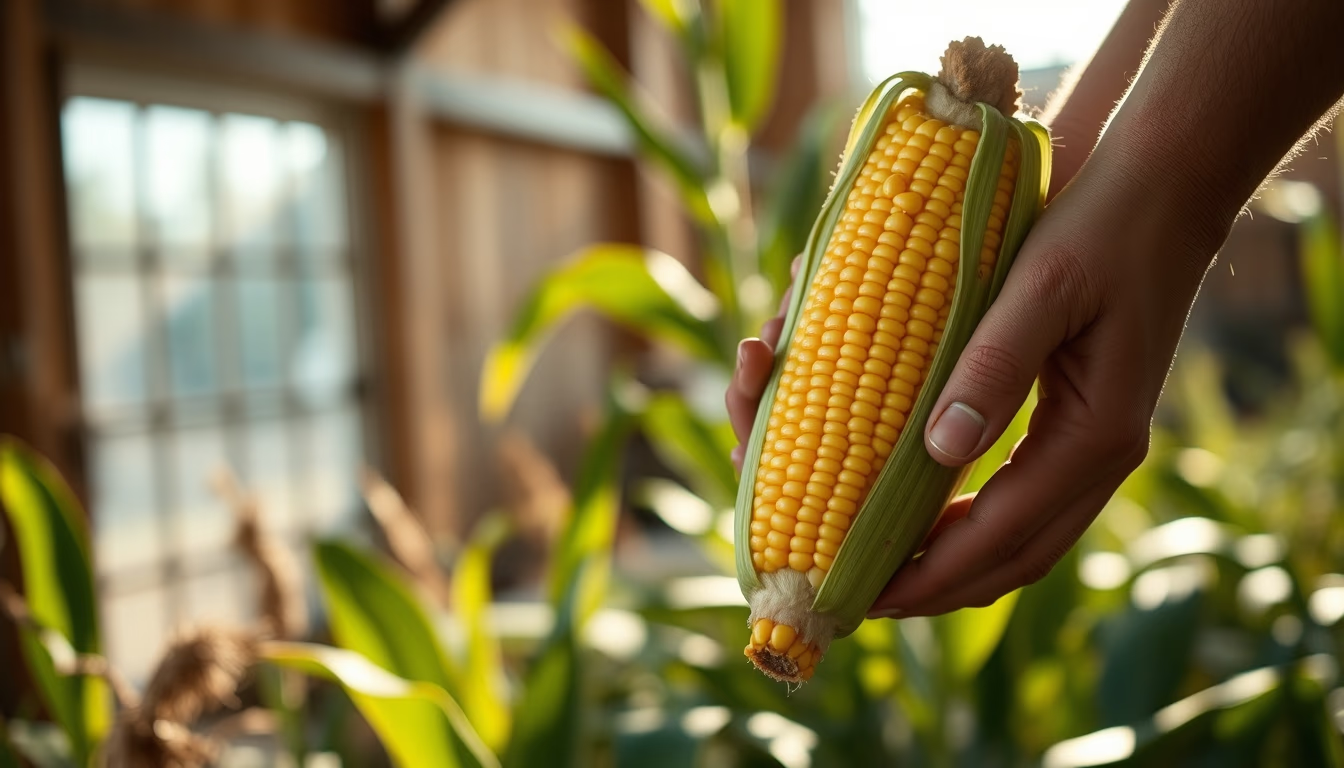
Freshly harvested corn cob in a farmer's hands during the morning harvest, symbol of Brazilian agricultural production.
About this subject
Corn (Zea mays) is one of the most widely cultivated grains in Brazil, with an annual harvest exceeding 100 million tons, according to the National Supply Company (Conab). The country is the third largest producer worldwide, behind only the United States and China. Manual harvesting, although less common in large mechanized farms, is still practiced in small and medium-sized crops, especially in the South and Central-West regions.
The freshly harvested corn cob has soft grains and high moisture content, ideal for fresh consumption or processing. The farmer holding it demonstrates the result of months of work, from planting to pest management and irrigation. In Brazil, the corn harvest is divided into first and second crops (safrinha), the latter planted after soybean harvest to maximize land use.
Culturally, corn is present in Brazilian cuisine in dishes such as pamonha, curau, polenta, and popcorn. Besides human consumption, it is essential for animal feed, especially poultry and swine. Morning harvest is preferred by farmers because grains are more turgid and less prone to losses from heat or bird attacks.
This documentary image, with natural morning light, highlights the connection between rural workers and the land. Such images are used in campaigns to promote agribusiness and in educational materials about food origins.
Frequently Asked Questions
How important is corn in Brazilian agriculture?
Corn is one of the main grains grown in Brazil, with annual production exceeding 100 million tons. It is used for both human food and animal feed, especially for poultry and swine.
Why is corn harvested in the morning?
Morning harvest is preferred because grains are more turgid and have less moisture loss, reducing the risk of damage from heat or bird attacks.
What is the second corn crop (safrinha)?
The safrinha is the second corn crop, planted after soybean harvest, usually between January and March. It takes advantage of the rainy season and maximizes land use.
Direct URL
https://pub-c7d6a6ea828543ac903a74a341ccb2e1.r2.dev/imagens/corn-cob-fresh-harvest-in-farmer-hands-documentary-morning.avifHow to credit
Include a visible link back to UtilizAí. Copy one of the snippets below:
<a href="https://xn--utiliza-eza.com/en/midia/imagens/corn-cob-fresh-harvest-in-farmer-hands-documentary-morning">Corn cob fresh harvest in farmer hands</a> by <a href="https://xn--utiliza-eza.com">UtilizAí</a>, licensed under <a href="https://creativecommons.org/licenses/by/4.0/">CC BY 4.0</a>.
[Corn cob fresh harvest in farmer hands](https://xn--utiliza-eza.com/en/midia/imagens/corn-cob-fresh-harvest-in-farmer-hands-documentary-morning) by [UtilizAí](https://xn--utiliza-eza.com), CC BY 4.0
License: CC-BY-4.0