Comic books silver age
1344×768 · AVIF · CC BY 4.0
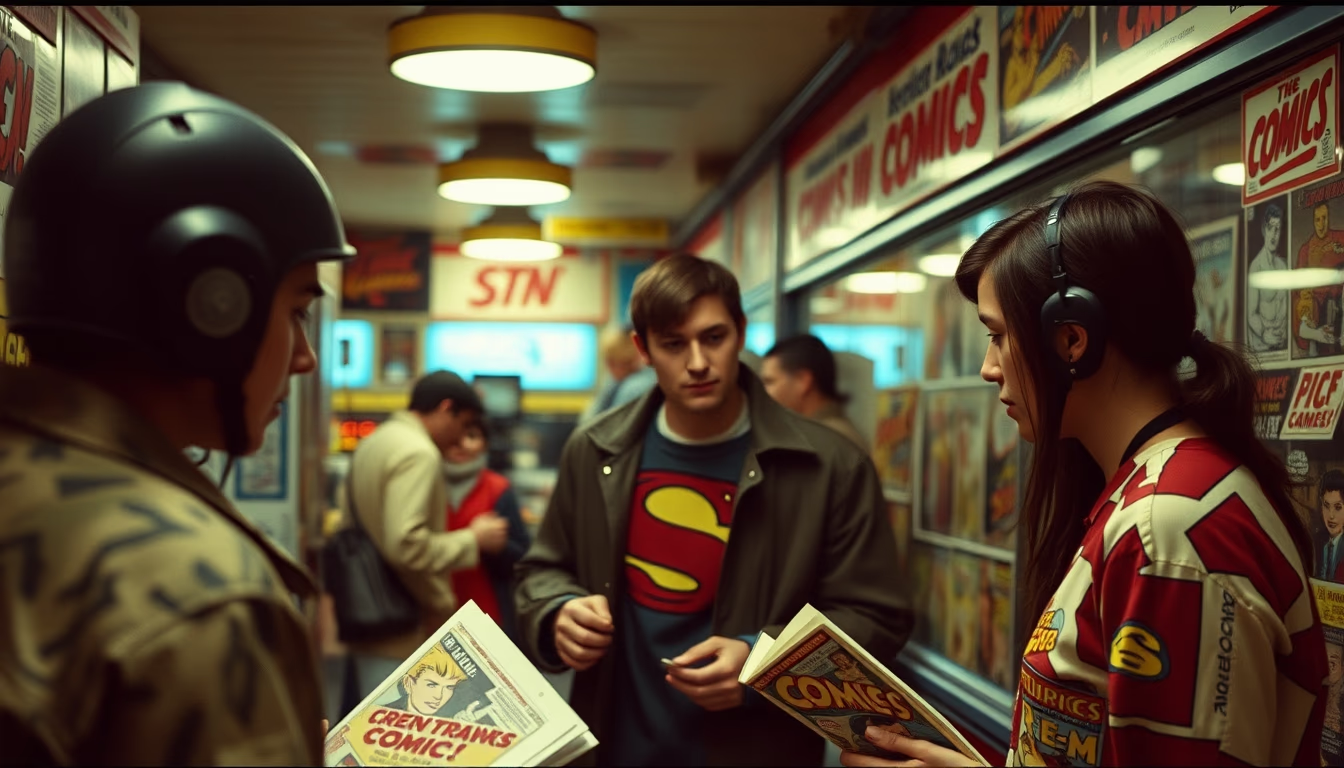
The Silver Age of comic books (1956-1970) revolutionized the superhero genre with science-based origins and iconic characters from Marvel and DC.
About this subject
The Silver Age of American comic books began in 1956 with the debut of the new Flash in Showcase #4, published by DC Comics. This period marked a revival of superheroes, which had declined in popularity after World War II. Unlike the Golden Age, origins became scientifically grounded, involving genetic mutations or radioactive accidents, reflecting technological advances and the Space Race.
Marvel Comics, led by Stan Lee, Jack Kirby, and Steve Ditko, launched the Fantastic Four in 1961, followed by Spider-Man (1962), X-Men (1963), and The Avengers (1963). These heroes dealt with personal issues and moral dilemmas, humanizing the genre. DC, meanwhile, introduced the Justice League (1960) and revamped characters like Green Lantern and Flash.
The Comics Code Authority, established in 1954, restricted adult themes, but writers used creativity to subtly address social issues. The Silver Age also saw smaller publishers like Charlton and Dell thrive, and the rise of science fiction and mild horror stories. The era ended around 1970, as Marvel adopted darker narratives and DC began rebooting its titles.
Trivia: the term "Silver Age" was coined by fan Scott Taylor in the fanzine "Alter Ego" in 1970, later popularized by historian Les Daniels. Original issues from this era, such as Amazing Fantasy #15 (first Spider-Man appearance), are now valuable collector's items.
Frequently Asked Questions
What are the main characters created during the Silver Age?
Key characters include the Fantastic Four, Spider-Man, X-Men, Avengers, Daredevil, Flash (Barry Allen), Green Lantern (Hal Jordan), and the Justice League.
What role did the Comics Code Authority play in the Silver Age?
The Code, enforced from 1954, banned explicit violence, horror, and adult themes. It forced writers to craft more creative, youth-friendly stories but also limited mature content.
How did the Silver Age influence today's cinema and pop culture?
Many modern superhero films and series draw from Silver Age stories and characters, such as Sam Raimi's Spider-Man and the MCU movies, which use scientific origins and personal dilemmas.
Direct URL
https://pub-c7d6a6ea828543ac903a74a341ccb2e1.r2.dev/imagens/comic-books-silver-age-film-grain-authentic-fresh7.avifHow to credit
Include a visible link back to UtilizAí. Copy one of the snippets below:
<a href="https://xn--utiliza-eza.com/en/midia/imagens/comic-books-silver-age-film-grain-authentic-fresh7">Comic books silver age</a> by <a href="https://xn--utiliza-eza.com">UtilizAí</a>, licensed under <a href="https://creativecommons.org/licenses/by/4.0/">CC BY 4.0</a>.
[Comic books silver age](https://xn--utiliza-eza.com/en/midia/imagens/comic-books-silver-age-film-grain-authentic-fresh7) by [UtilizAí](https://xn--utiliza-eza.com), CC BY 4.0
License: CC-BY-4.0