Cold pressed olive oil drops
1344×768 · AVIF · CC BY 4.0
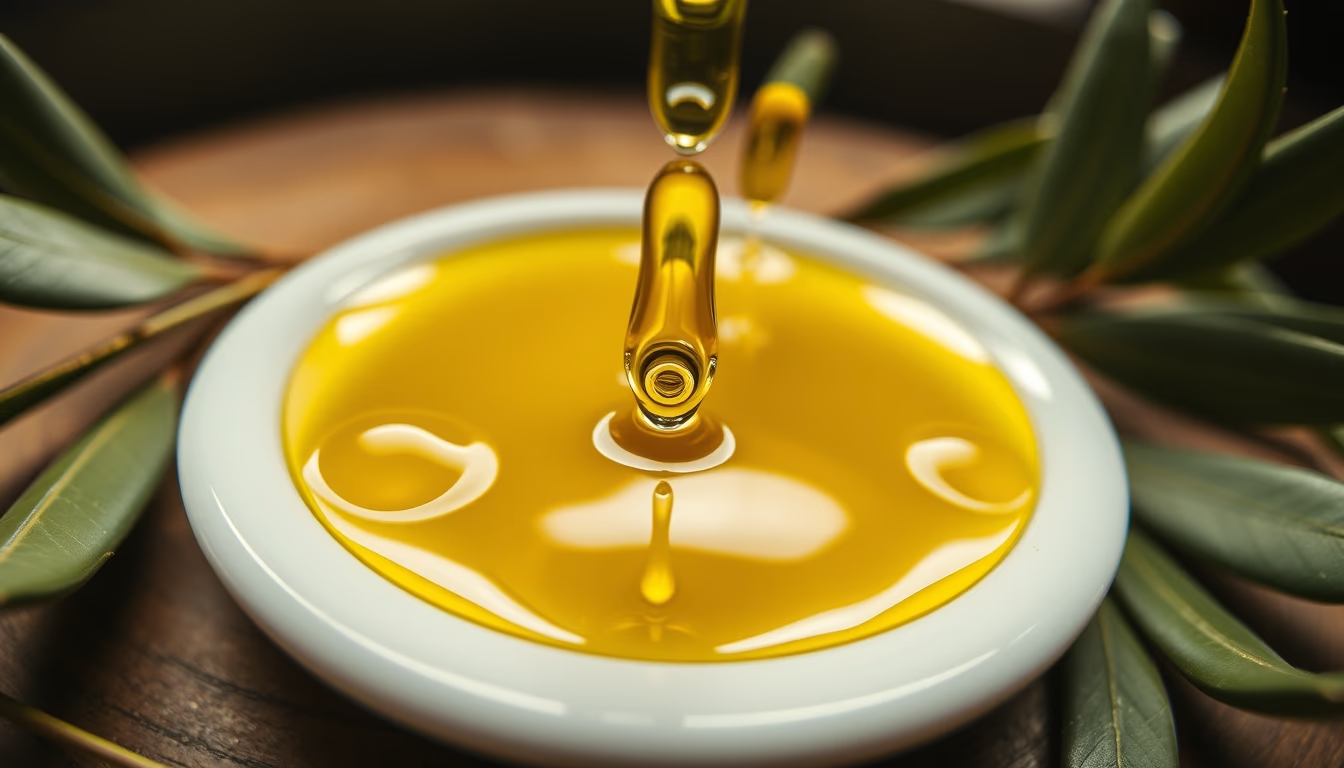
Drops of cold pressed extra virgin olive oil, one of the most valued oils in world cuisine.
About this subject
Cold pressed extra virgin olive oil is obtained exclusively through mechanical processes, without the use of heat or chemical solvents. This technique preserves phenolic compounds and natural antioxidants, resulting in an oil with fruity flavor and acidity below 0.8%. Cold pressing is a traditional method originating in the Mediterranean basin, especially in countries like Italy, Spain and Greece, where olive cultivation dates back millennia. In Brazil, olive oil production has been growing in Rio Grande do Sul and the Mantiqueira mountain range, with varieties adapted to subtropical climates.
The process begins with harvesting olives at the ideal ripeness point, usually between March and June in the Northern Hemisphere. The fruits are washed and crushed into a paste, which is then slowly mixed to aggregate oil droplets. Separation is done by centrifugation or pressing, keeping the temperature below 27°C. The result is an oil with complex sensory profile, potentially featuring notes of green grass, almond or tomato. Cold extraction is essential for gourmet and extra virgin oils, as it avoids degradation of volatile compounds.
Beyond culinary use, extra virgin olive oil is recognized for health benefits, such as reducing LDL cholesterol and anti-inflammatory properties. Studies indicate that regular consumption is associated with longevity, especially in the Mediterranean diet. To preserve its properties, olive oil should be stored in a dark, cool place away from heat sources, as light and high temperatures accelerate oxidation. A curiosity is that the term "cold pressed" on commercial labels is regulated by bodies like the International Olive Council, ensuring the process did not exceed established thermal limits.
Frequently Asked Questions
What does 'cold pressed' mean in olive oil?
It means the oil was extracted mechanically without applying heat, keeping the temperature below 27°C. This preserves nutrients and flavor.
What is the difference between extra virgin and virgin olive oil?
Extra virgin has maximum acidity of 0.8% and perfect flavor. Virgin allows acidity up to 2% and may have minor sensory defects. Both are cold pressed.
How to identify a quality cold pressed olive oil on the label?
Look for terms like 'extra virgin', 'cold pressed' and harvest date. Protected denomination of origin (PDO, PGI) seals indicate controlled origin.
Direct URL
https://pub-c7d6a6ea828543ac903a74a341ccb2e1.r2.dev/imagens/cold-pressed-olive-oil-drops-fish-eye-wide-angle-p6.avifHow to credit
Include a visible link back to UtilizAí. Copy one of the snippets below:
<a href="https://xn--utiliza-eza.com/en/midia/imagens/cold-pressed-olive-oil-drops-fish-eye-wide-angle-p6">Cold pressed olive oil drops</a> by <a href="https://xn--utiliza-eza.com">UtilizAí</a>, licensed under <a href="https://creativecommons.org/licenses/by/4.0/">CC BY 4.0</a>.
[Cold pressed olive oil drops](https://xn--utiliza-eza.com/en/midia/imagens/cold-pressed-olive-oil-drops-fish-eye-wide-angle-p6) by [UtilizAí](https://xn--utiliza-eza.com), CC BY 4.0
License: CC-BY-4.0