Coffee shop empty morning
1344×768 · AVIF · CC BY 4.0
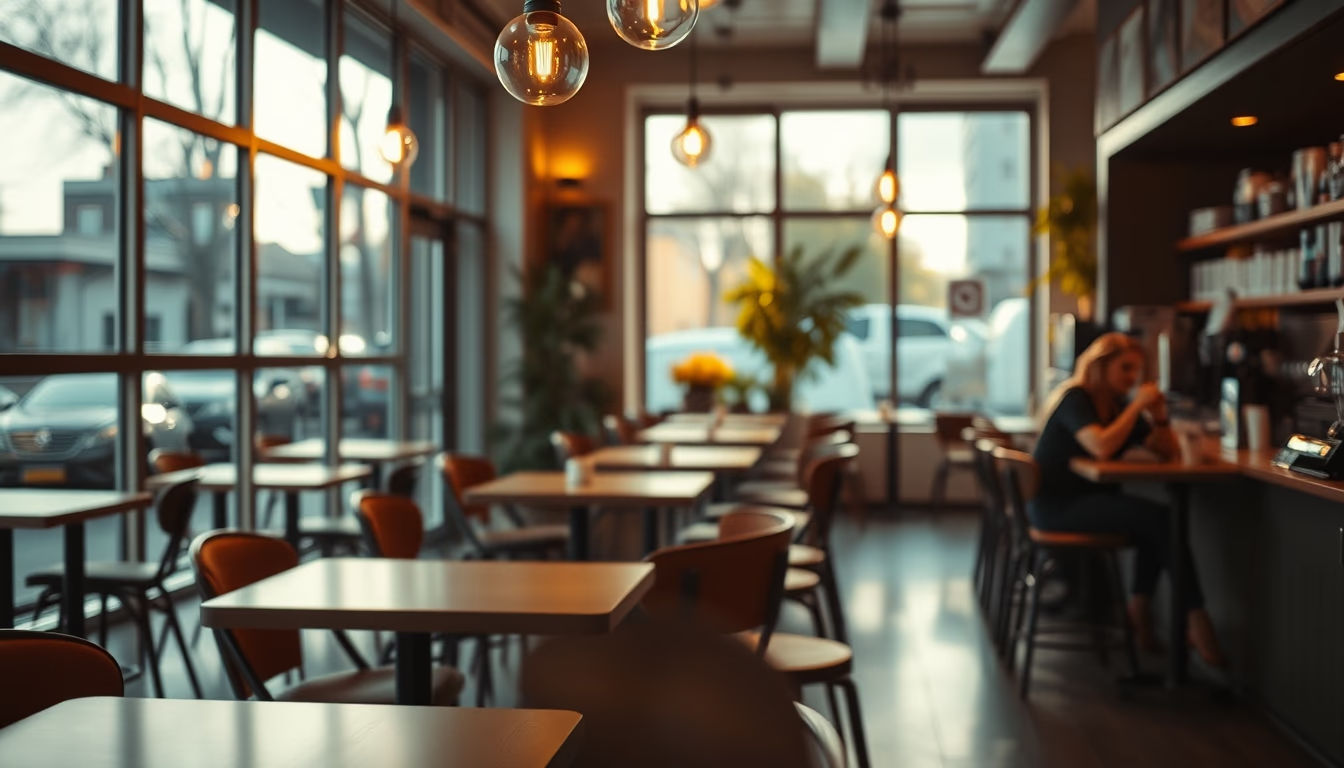
Empty coffee shops in the morning reveal a silent ritual of preparation and contemplation, where design and the aroma of coffee meet before the day's bustle.
About this subject
Coffee shops in the early morning, still empty, offer a transitional space between night and day. It is the moment when baristas fine-tune espresso machines, organize beans, and prepare the first cup. This silent interval is valued by both staff and customers seeking calm before work. In cities like São Paulo and Belo Horizonte, coffee culture has become a daily ritual, and coffee shops have turned into true temples of design and gastronomy.
The concept of the "third place," popularized by sociologist Ray Oldenburg, describes environments that are neither home nor work but foster social interaction. Empty morning coffee shops represent the more introspective side of this space: a spot to read, write, or simply watch the city wake up. Minimalist design, with soft lighting and comfortable furniture, is intentional to create that welcoming atmosphere. In the 1920s, European coffee houses already played this role, inspiring modern Brazilian establishments.
The high-fashion editorial aesthetic, with dramatic lighting and careful composition, reflects the visual appreciation of coffee as a premium experience. Specialty beans, brewing methods like Chemex and V60, and latte art turn each cup into a work of art. Data from the Brazilian Coffee Industry Association (ABIC) shows that consumption of specialty coffees grows 10% per year, driven by a new generation seeking quality and sensory connection. The quiet morning is the perfect stage to enjoy this process unhurriedly.
Interestingly, morning stillness also attracts creative professionals: writers, designers, and photographers use the environment for inspiration. Natural morning light is ideal for editorial shots, and the absence of crowds allows capturing the essence of the place. This global phenomenon is particularly relevant in Brazil, the world's largest coffee producer and second-largest consumer. Thus, the empty coffee shop at dawn is not just a setting but a symbol of the balance between tradition and modernity.
Frequently Asked Questions
Why are coffee shops considered a 'third place'?
Sociologist Ray Oldenburg coined the term for spaces that are neither home nor work, fostering social interaction. Empty morning coffee shops offer an introspective setting, while at peak hours they become social hubs.
What defines a high-fashion editorial style coffee shop?
This style prioritizes visual aesthetics: dramatic lighting, minimalist design, elegant furniture, and careful photographic composition. The goal is to create a premium experience that elevates coffee as an art form and conscious consumption.
How important is coffee in Brazilian culture?
Brazil is the world's largest coffee producer and second-largest consumer. Coffee is deeply rooted in the country's history, from the economic cycle of the 19th century to the current specialty coffee boom, which grows 10% per year according to ABIC.
Direct URL
https://pub-c7d6a6ea828543ac903a74a341ccb2e1.r2.dev/imagens/coffee-shop-empty-morning-high-fashion-editorial-p4.avifHow to credit
Include a visible link back to UtilizAí. Copy one of the snippets below:
<a href="https://xn--utiliza-eza.com/en/midia/imagens/coffee-shop-empty-morning-high-fashion-editorial-p4">Coffee shop empty morning</a> by <a href="https://xn--utiliza-eza.com">UtilizAí</a>, licensed under <a href="https://creativecommons.org/licenses/by/4.0/">CC BY 4.0</a>.
[Coffee shop empty morning](https://xn--utiliza-eza.com/en/midia/imagens/coffee-shop-empty-morning-high-fashion-editorial-p4) by [UtilizAí](https://xn--utiliza-eza.com), CC BY 4.0
License: CC-BY-4.0