Coffee plantation worker picking ripe coffee cherries by hand
1344×768 · AVIF · CC BY 4.0
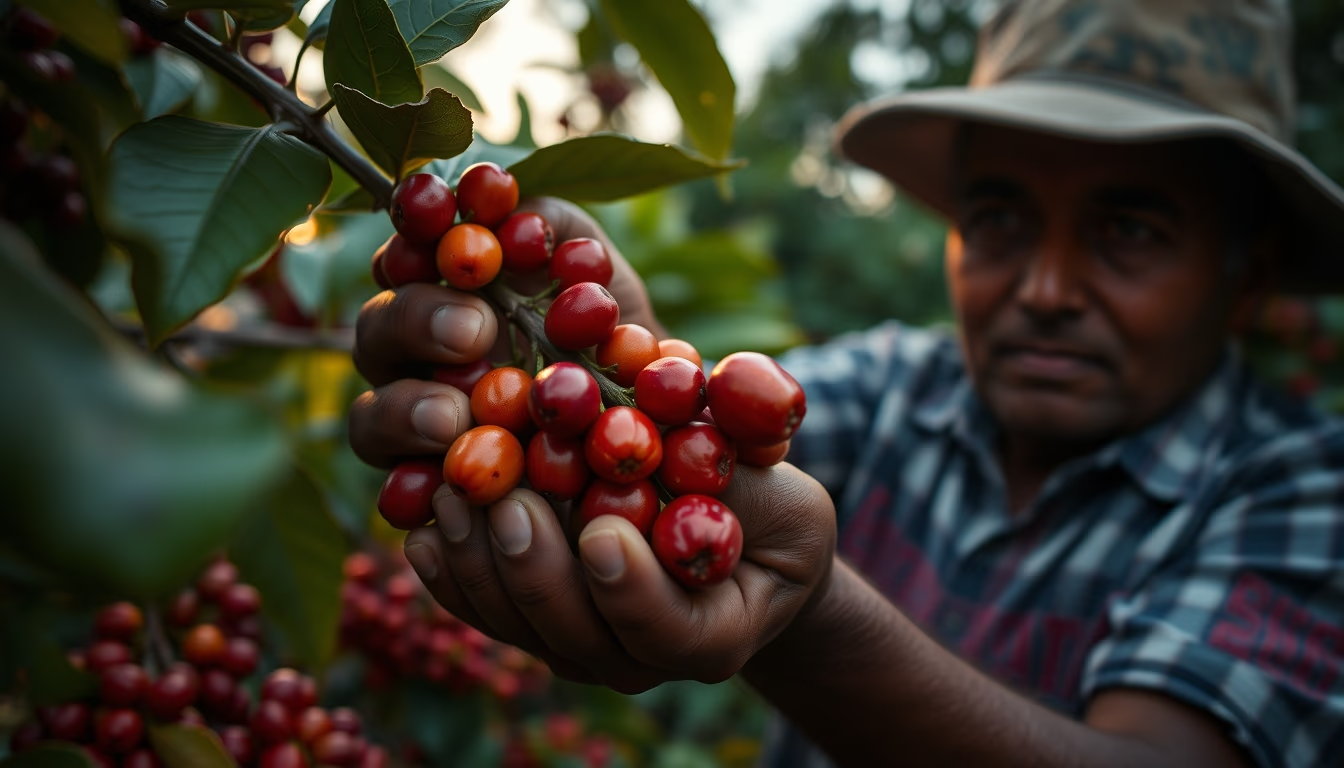
Rural worker hand-picks ripe coffee cherries on a Brazilian farm, a technique that ensures superior quality and sustains millions of jobs.
About this subject
Manual coffee harvesting is a traditional practice that still predominates in mountainous regions of Brazil, such as Serra da Mantiqueira and southern Minas Gerais. Unlike mechanical harvesting, which strips all fruits at once, manual selection allows picking only the beans at the ideal ripeness point, called 'cherries'. This care results in higher quality beverages and is essential for specialty coffees, which can yield up to 300% more in the international market.
Brazil has been the world's largest coffee producer and exporter since the 19th century, responsible for about one-third of all coffee consumed globally. According to Embrapa, coffee farming involves over 8 million people in the production chain, from small family farmers to large estates. Although more expensive and time-consuming, manual harvesting preserves rural jobs and is valued by sustainability and fair trade certifications.
The image captures the precise moment when the worker assesses the fruit's color and texture before detaching it from the branch. This technique, known as 'derriça no pano' or 'catação', requires years of experience, as the picker must quickly identify ripe beans without damaging the plant. In historic farms of Vale do Paraíba, it is common to see workers with straw baskets or plastic buckets attached to their waist, keeping alive a tradition dating back to the imperial period.
The twilight background in the image is not accidental: many coffee growers prefer to harvest early in the morning or late in the afternoon to avoid intense heat and preserve the natural moisture of the beans. This practice, combined with altitudes above 800 meters, contributes to the balanced acidity and complex aromas that make Brazilian coffee world-renowned, such as Bourbon Amarelo and Catuaí.
Frequently Asked Questions
Why is manual coffee harvesting more valued than mechanical?
Manual harvesting allows selecting only ripe fruits (cherries), resulting in higher quality beans for specialty coffees. Mechanical harvesting strips all fruits at once, mixing unripe and overripe ones, which harms flavor.
How many rural workers does coffee employ in Brazil?
Brazilian coffee farming employs about 8 million people across the entire production chain, including small farmers, pickers, processors, and exporters.
What is the best time to harvest coffee in Brazil?
Harvesting occurs between May and September, depending on the region and altitude. In higher areas, ripening is slower and harvest extends until August.
Direct URL
https://pub-c7d6a6ea828543ac903a74a341ccb2e1.r2.dev/imagens/coffee-plantation-worker-picking-ripe-coffee-cherries-by-hand-closeup-twilight-6.avifHow to credit
Include a visible link back to UtilizAí. Copy one of the snippets below:
<a href="https://xn--utiliza-eza.com/en/midia/imagens/coffee-plantation-worker-picking-ripe-coffee-cherries-by-hand-closeup-twilight-6">Coffee plantation worker picking ripe coffee cherries by hand</a> by <a href="https://xn--utiliza-eza.com">UtilizAí</a>, licensed under <a href="https://creativecommons.org/licenses/by/4.0/">CC BY 4.0</a>.
[Coffee plantation worker picking ripe coffee cherries by hand](https://xn--utiliza-eza.com/en/midia/imagens/coffee-plantation-worker-picking-ripe-coffee-cherries-by-hand-closeup-twilight-6) by [UtilizAí](https://xn--utiliza-eza.com), CC BY 4.0
License: CC-BY-4.0