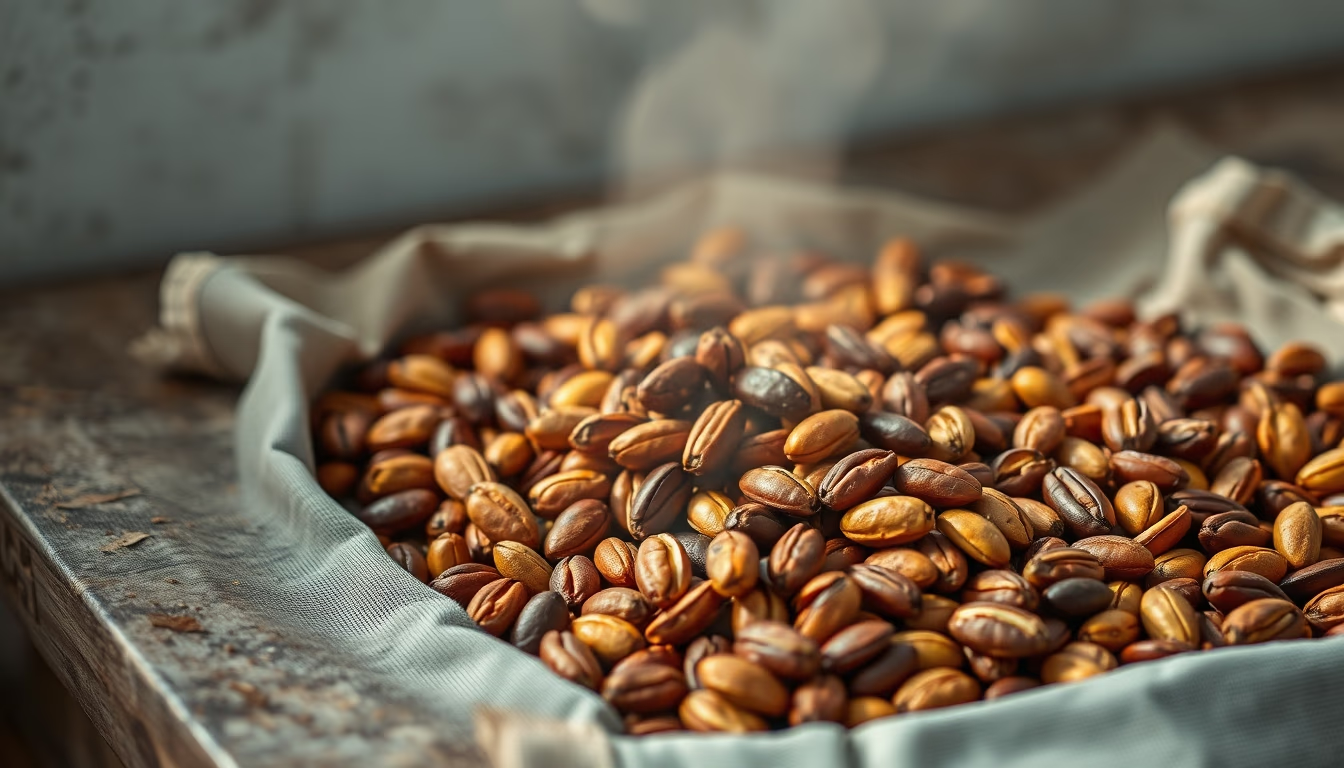
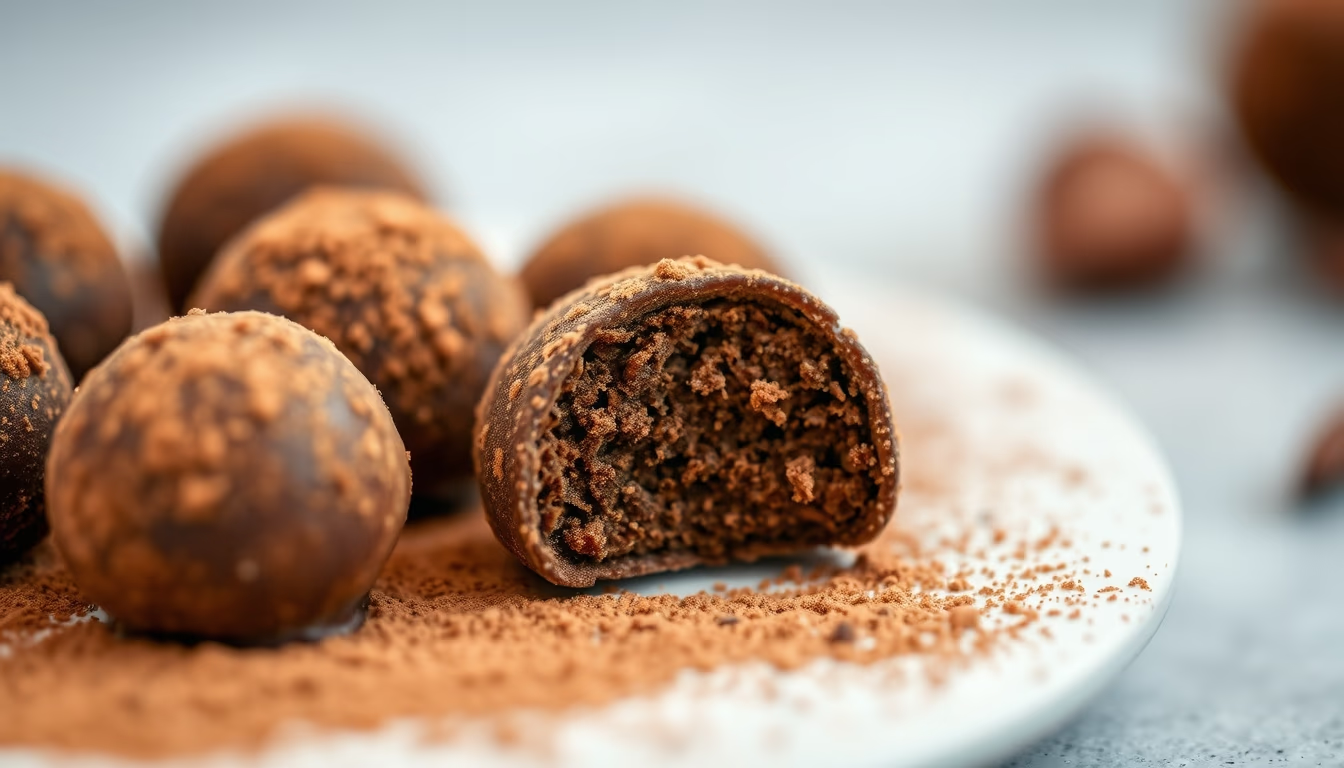
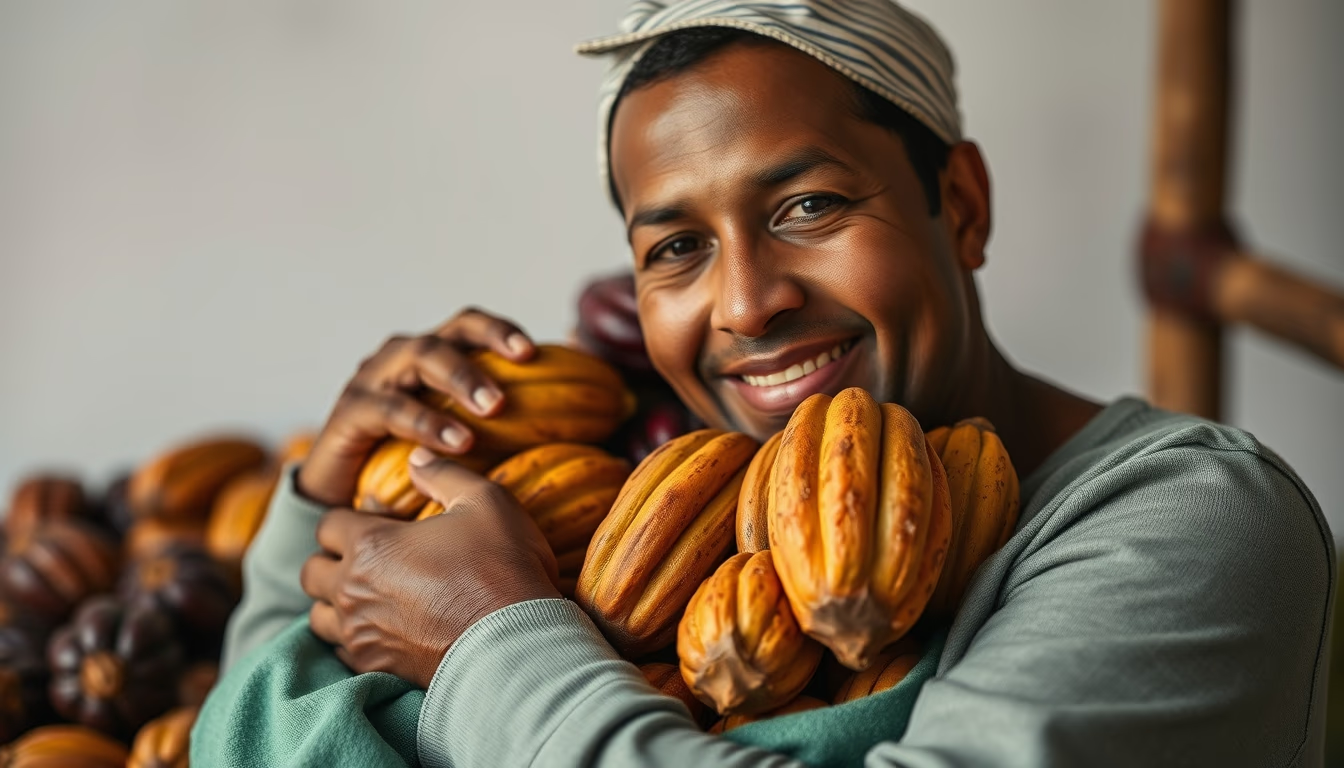
Cocoa beans drying
1344×768 · AVIF · CC BY 4.0
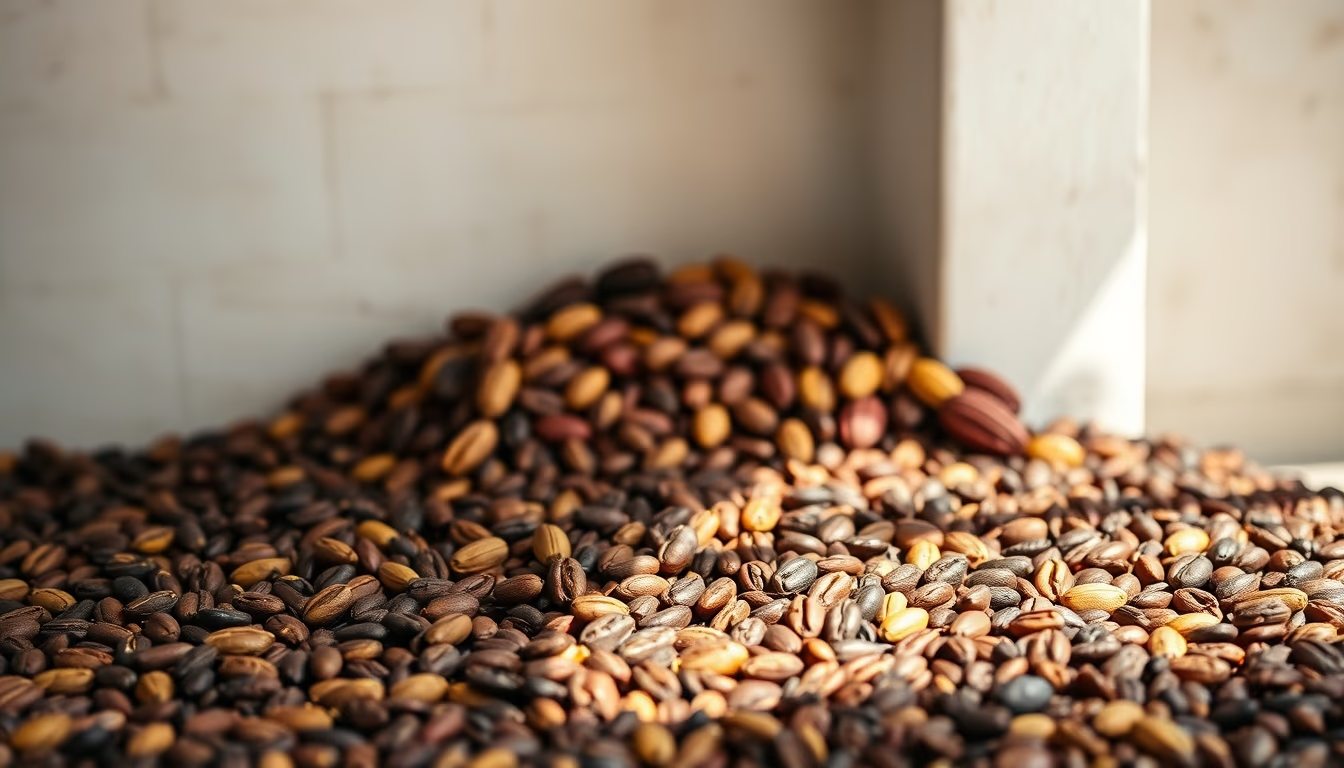
The drying process of cocoa beans is crucial for flavor development in chocolate, involving traditional and modern techniques.
About this subject
The drying of cocoa beans is a critical step after fermentation. Moisture content drops from about 60% to 7-8%, stabilizing the beans for storage and shipping. The most common method is sun drying, where beans are spread on mats or wooden trays for 5 to 14 days. This slow evaporation allows chemical reactions from fermentation to continue, developing flavor precursors.
In major producing regions like Ivory Coast, Ghana, and Brazil, sun drying is widespread due to low cost. However, sudden rains can cause fungal growth, harming quality. Therefore, many producers use artificial dryers (gas or electric) that control temperature and humidity. Artificial drying is faster (2 to 4 days) and reduces risks, but requires investment and can alter sensory profile if poorly managed.
Drying directly affects volatile phenols and acidity. Beans dried too quickly retain more acidity, while slow drying favors fruity and chocolatey notes. For fine chocolates, slow sun drying is preferred. Interestingly, in parts of Venezuela, beans are dried in small batches on tarps, turned manually every hour for uniformity. This artisanal care is valued in the single-origin chocolate market.
Final moisture is also crucial to prevent spoilage during sea transport. International standards require maximum 7.5% moisture. Modern techniques like fluidized bed drying and microwave drying are being tested for efficiency and aroma preservation, but remain rare in large-scale production.
Frequently Asked Questions
Why is drying cocoa beans important?
Drying reduces moisture from 60% to about 7-8%, stabilizing beans for storage and transport. It also directly impacts chocolate flavor as chemical reactions continue during the process.
What is the most traditional drying method?
The most traditional method is sun drying, where beans are spread outdoors for 5 to 14 days. It is common in countries like Ivory Coast, Ghana, and Brazil, but depends on favorable weather.
Does artificial drying affect chocolate flavor?
Yes, if poorly controlled, artificial drying can increase acidity and reduce fruity notes. However, when well managed, it allows greater quality control and reduces contamination risks.
Direct URL
https://pub-c7d6a6ea828543ac903a74a341ccb2e1.r2.dev/imagens/cocoa-beans-drying-minimalist-composition-fresh16.avifHow to credit
Include a visible link back to UtilizAí. Copy one of the snippets below:
<a href="https://xn--utiliza-eza.com/en/midia/imagens/cocoa-beans-drying-minimalist-composition-fresh16">Cocoa beans drying</a> by <a href="https://xn--utiliza-eza.com">UtilizAí</a>, licensed under <a href="https://creativecommons.org/licenses/by/4.0/">CC BY 4.0</a>.
[Cocoa beans drying](https://xn--utiliza-eza.com/en/midia/imagens/cocoa-beans-drying-minimalist-composition-fresh16) by [UtilizAí](https://xn--utiliza-eza.com), CC BY 4.0
License: CC-BY-4.0