Cocoa beans drying
1344×768 · AVIF · CC BY 4.0
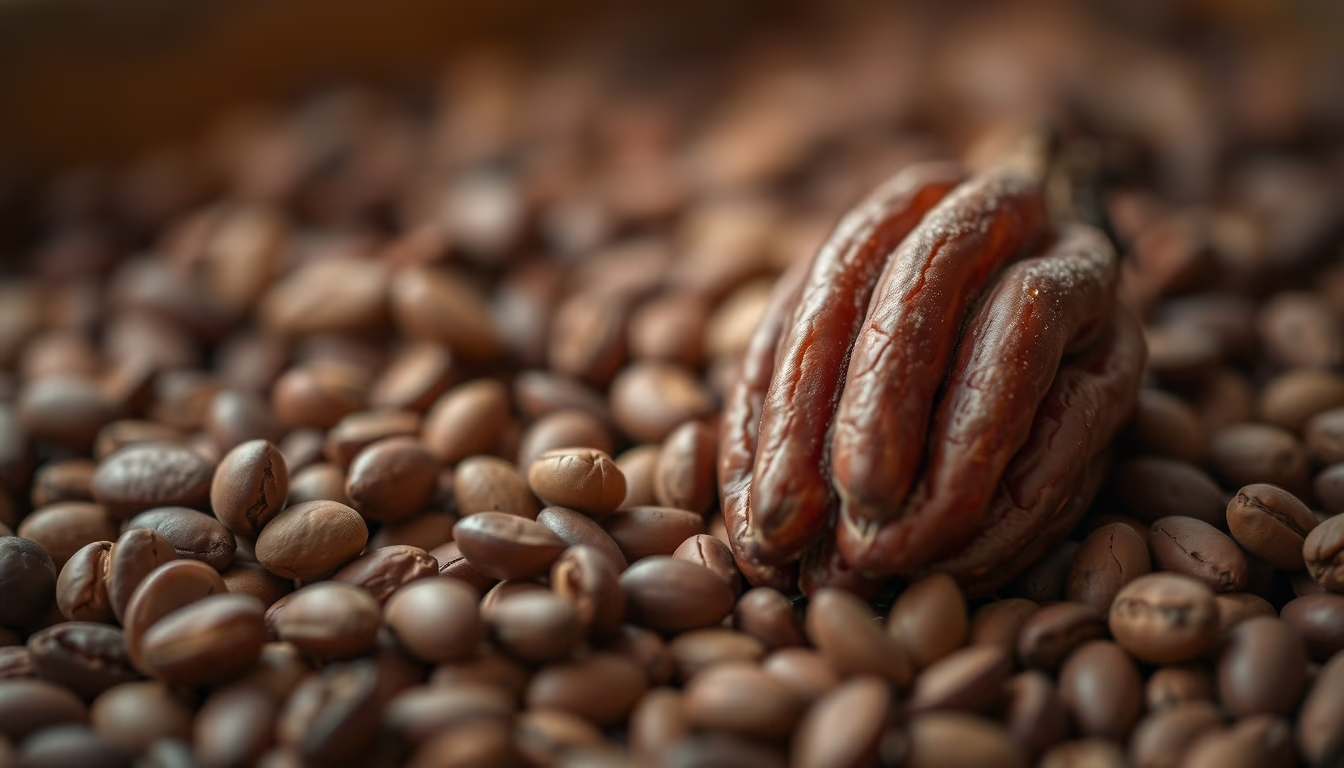
The drying process of cocoa beans, a crucial step for chocolate flavor development, with techniques varying globally.
About this subject
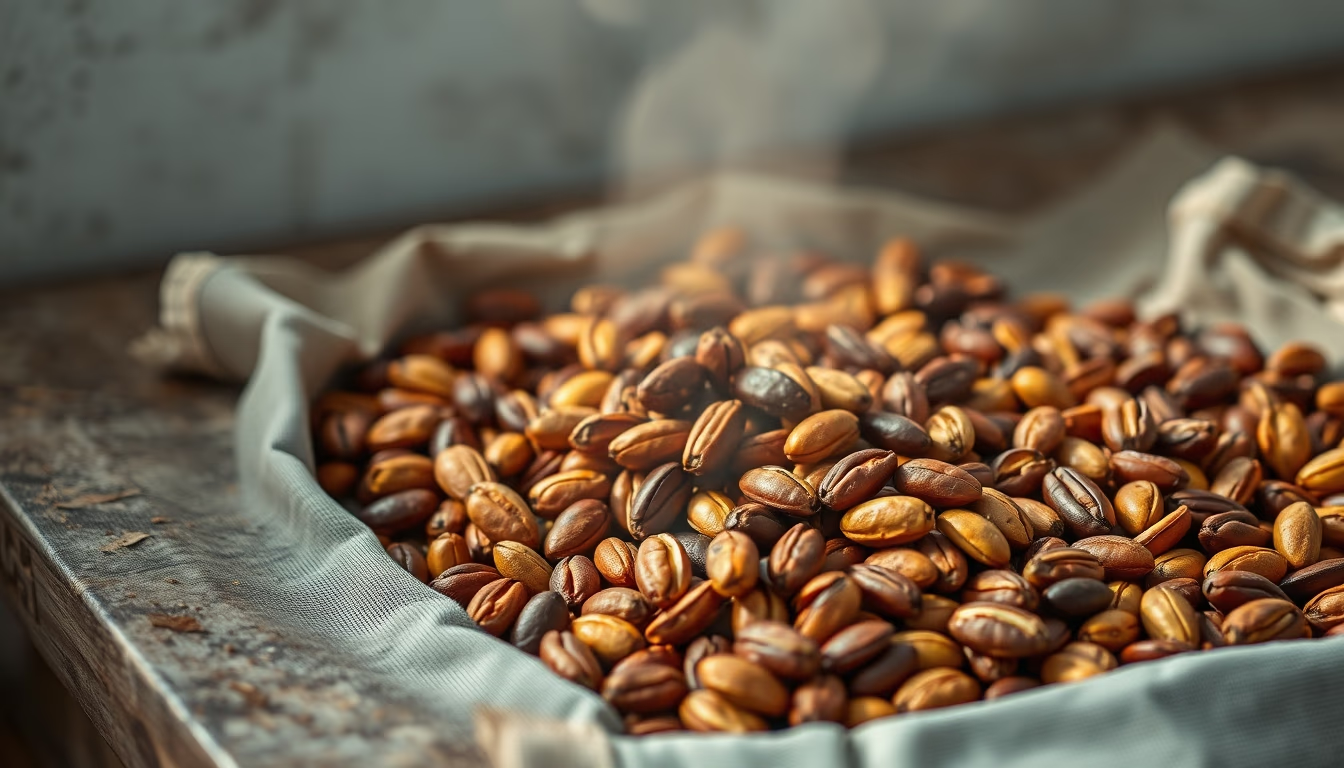
The drying of cocoa beans is a critical post-fermentation step, reducing moisture from around 60% to about 7%. This process not only preserves the beans but also continues chemical reactions initiated during fermentation, developing flavor precursors that define the final chocolate profile. Traditionally, sun drying is done on bamboo mats or trays for 5 to 14 days, with frequent turning to ensure uniformity. In rainy regions, greenhouses or mechanical hot-air dryers are used, though they can impact flavor quality if poorly controlled.
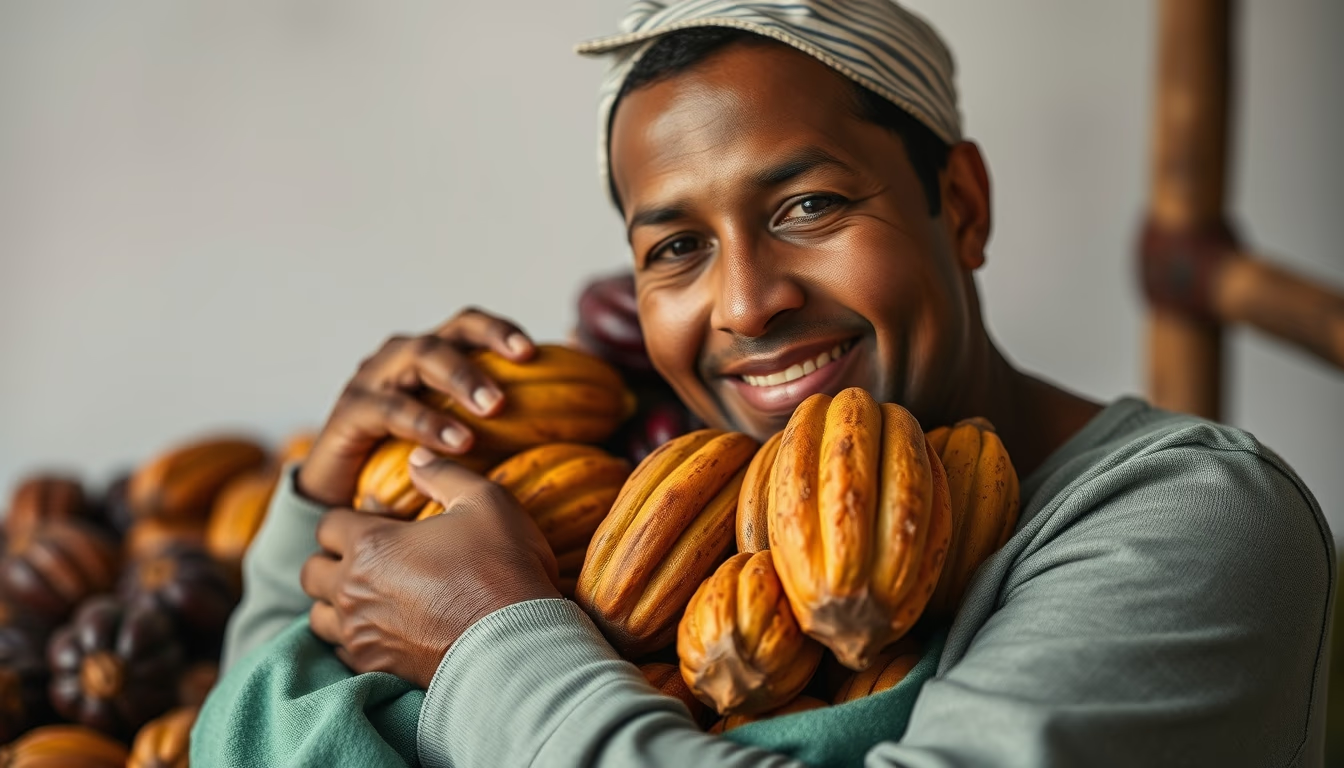
Drying technique directly influences acidity and volatile compounds. Fast drying can retain acetic acid, resulting in sour taste; slow drying favors undesirable molds. Smallholders in West Africa, the world's largest cocoa-producing region, often spread beans on raised mats, protecting from animals and allowing ventilation. In Latin America, solar dryers with plastic covers are common, speeding up the process while maintaining quality. Ideal final moisture is monitored with portable meters or the bean snap test: a dry sound and loose shell indicate readiness.
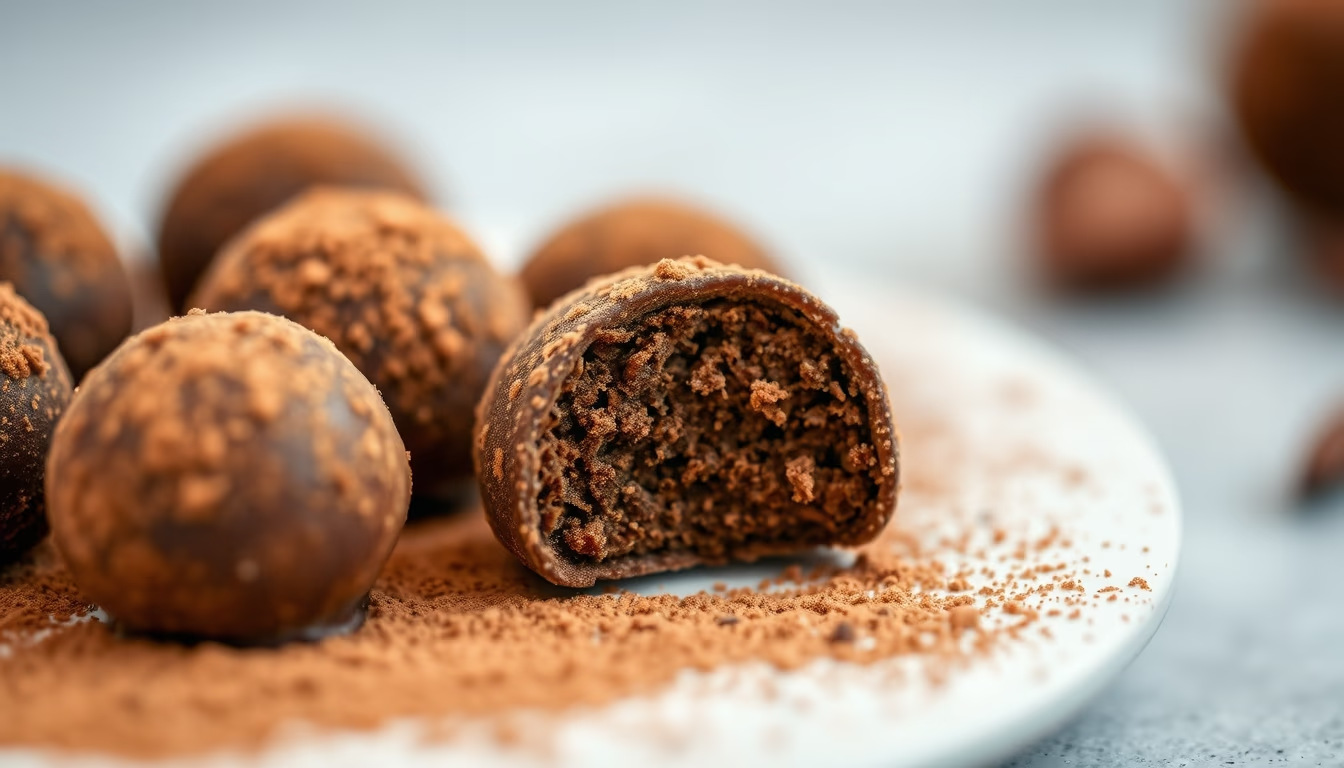
Cocoa powder and cocoa butter are derived from dried beans, but drying also affects color and aroma. Well-dried beans have a reddish-brown hue and fruity smell. Interestingly, sun drying imparts more complex notes due to exposure to environmental microbes, while mechanical methods yield cleaner but less intense profiles. The International Cocoa Organization (ICCO) recommends moisture content not exceed 7.5% to prevent mold during storage and transport.
In Brazil, states like Bahia and Pará predominantly use sun drying on concrete patios or tarps, with manual turning. The country is one of the few where cocoa is dried whole with pulp attached (almond cocoa), requiring extra care. Artificial drying with wood-fired ovens still persists on small farms but is being replaced by more sustainable low-cost solar dryers. With growing demand for fine chocolates, producers invest in precise drying control to enhance floral and fruity notes.
Frequently Asked Questions
Why is the drying of cocoa beans important?
Drying reduces moisture to prevent mold and continues flavor reactions from fermentation. Poor drying can compromise chocolate quality, causing excessive acidity or off-flavors.
What are the most common drying methods?
The traditional method is sun drying on mats or trays for 5 to 14 days. In rainy regions, greenhouses or mechanical hot-air dryers are used. In Brazil, concrete patios or tarps are common.
How to know if cocoa beans are properly dried?
A practical test is to break a bean: a dry sound and loose shell indicate ideal moisture (about 7%). Producers also use portable moisture meters.
Direct URL
https://pub-c7d6a6ea828543ac903a74a341ccb2e1.r2.dev/imagens/cocoa-beans-drying-macro-closeup-fresh15.avifHow to credit
Include a visible link back to UtilizAí. Copy one of the snippets below:
<a href="https://xn--utiliza-eza.com/en/midia/imagens/cocoa-beans-drying-macro-closeup-fresh15">Cocoa beans drying</a> by <a href="https://xn--utiliza-eza.com">UtilizAí</a>, licensed under <a href="https://creativecommons.org/licenses/by/4.0/">CC BY 4.0</a>.
[Cocoa beans drying](https://xn--utiliza-eza.com/en/midia/imagens/cocoa-beans-drying-macro-closeup-fresh15) by [UtilizAí](https://xn--utiliza-eza.com), CC BY 4.0
License: CC-BY-4.0