Cocoa beans drying
1344×768 · AVIF · CC BY 4.0
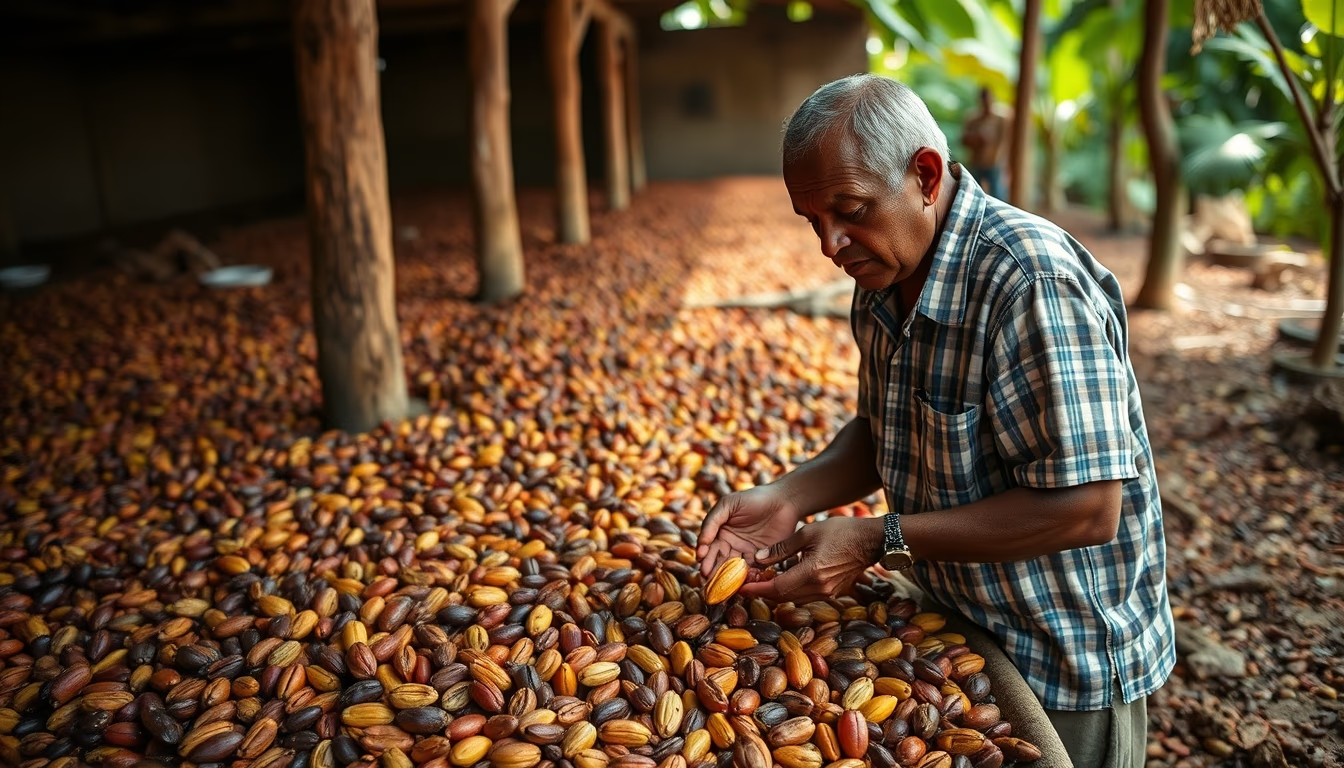
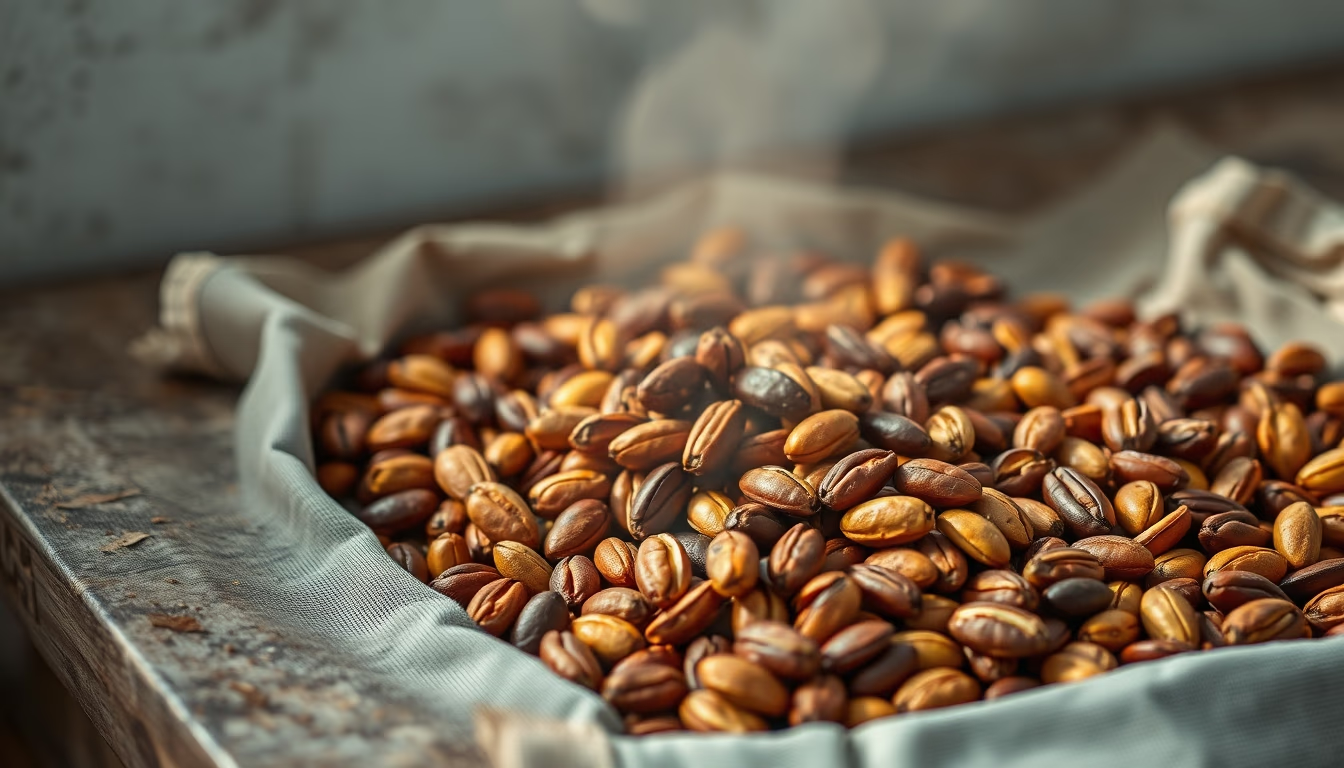
Drying cocoa beans is a crucial step in developing chocolate flavor, removing moisture and preparing beans for fermentation and roasting.
About this subject
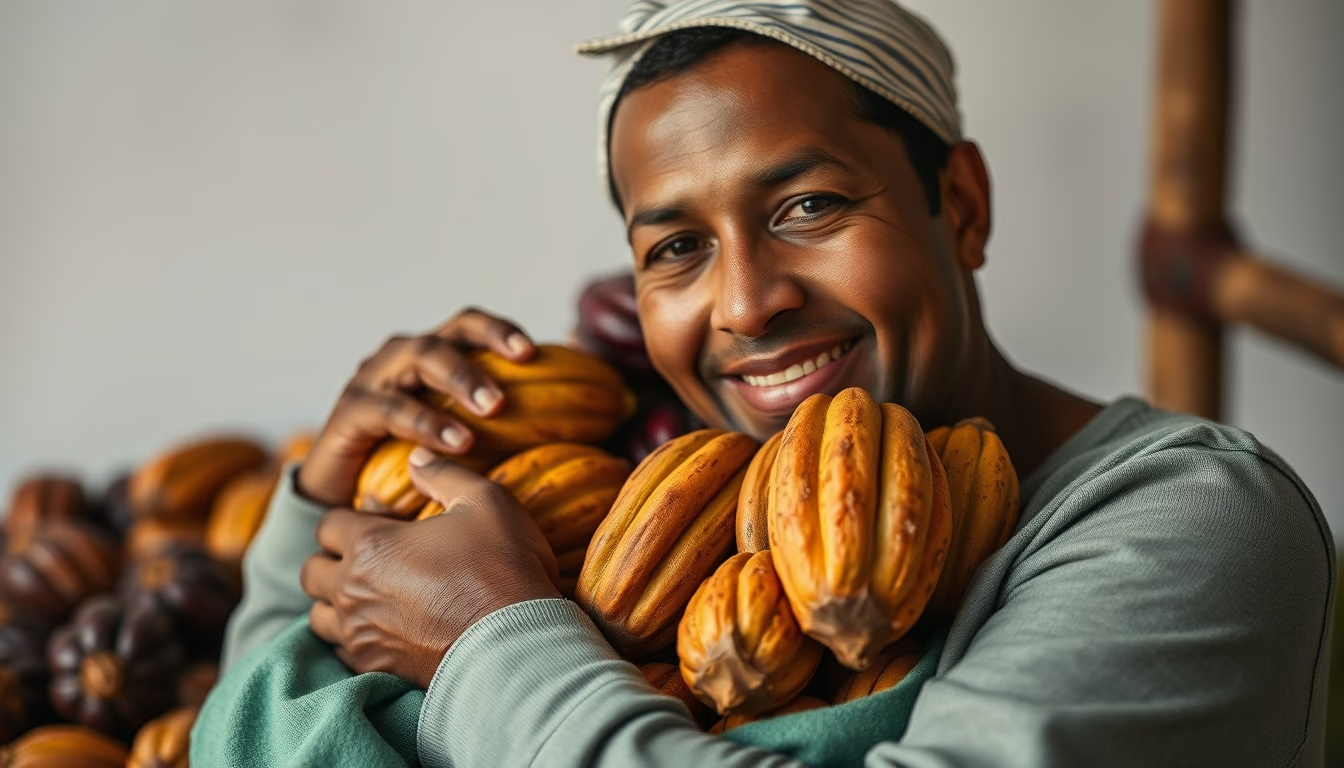
Cocoa bean drying takes place shortly after harvest and pod breaking. Fresh beans, surrounded by white pulp, are removed from the pods and spread to dry under the sun or in mechanical dryers. This process usually lasts 5 to 10 days, depending on climate and technique. During drying, moisture content drops from about 60% to approximately 7%, halting germination and stabilizing the beans for storage.
In Brazil, one of the world's largest cocoa producers, sun drying is traditionally done on large wooden trays or mats, where beans are turned periodically to ensure evenness. In the southern region of Bahia, the main growing area, the hot and humid climate demands careful monitoring to prevent mold and unwanted fermentation. More modern systems in the Amazon use controlled heated air dryers.
Chocolate quality directly depends on drying. Poorly dried beans can develop bitter, acidic, or smoky flavors. The ideal technique combines gradual heat exposure with good ventilation, preserving flavor precursors that will be activated during roasting. Drying also affects bean shell color and texture, making subsequent peeling easier.
Interestingly, in some African countries like Ghana and Côte d'Ivoire, beans are dried on raised platforms to protect from animals and ground moisture. In Ecuador, solar dryers are used. Regardless of method, moisture control is critical: overly moist beans spoil, while overly dry beans break easily, causing losses.
Frequently Asked Questions
Why is drying cocoa beans important?
Drying reduces bean moisture to about 7%, preventing germination and microbial growth. It is also critical for flavor development, as aromatic precursors form during this stage.
How long does it take to dry cocoa beans?
It typically takes 5 to 10 days, depending on climate and method. Sun drying is slower, while mechanical dryers can reduce it to 2, 3 days.
What happens if cocoa beans are not dried properly?
Improperly dried beans can mold, ferment undesirably, or develop bitter and acidic flavors. Excess moisture also attracts pests, compromising chocolate quality.
Direct URL
https://pub-c7d6a6ea828543ac903a74a341ccb2e1.r2.dev/imagens/cocoa-beans-drying-documentary-photography-fresh11.avifHow to credit
Include a visible link back to UtilizAí. Copy one of the snippets below:
<a href="https://xn--utiliza-eza.com/en/midia/imagens/cocoa-beans-drying-documentary-photography-fresh11">Cocoa beans drying</a> by <a href="https://xn--utiliza-eza.com">UtilizAí</a>, licensed under <a href="https://creativecommons.org/licenses/by/4.0/">CC BY 4.0</a>.
[Cocoa beans drying](https://xn--utiliza-eza.com/en/midia/imagens/cocoa-beans-drying-documentary-photography-fresh11) by [UtilizAí](https://xn--utiliza-eza.com), CC BY 4.0
License: CC-BY-4.0