Cocoa beans drying
1344×768 · AVIF · CC BY 4.0
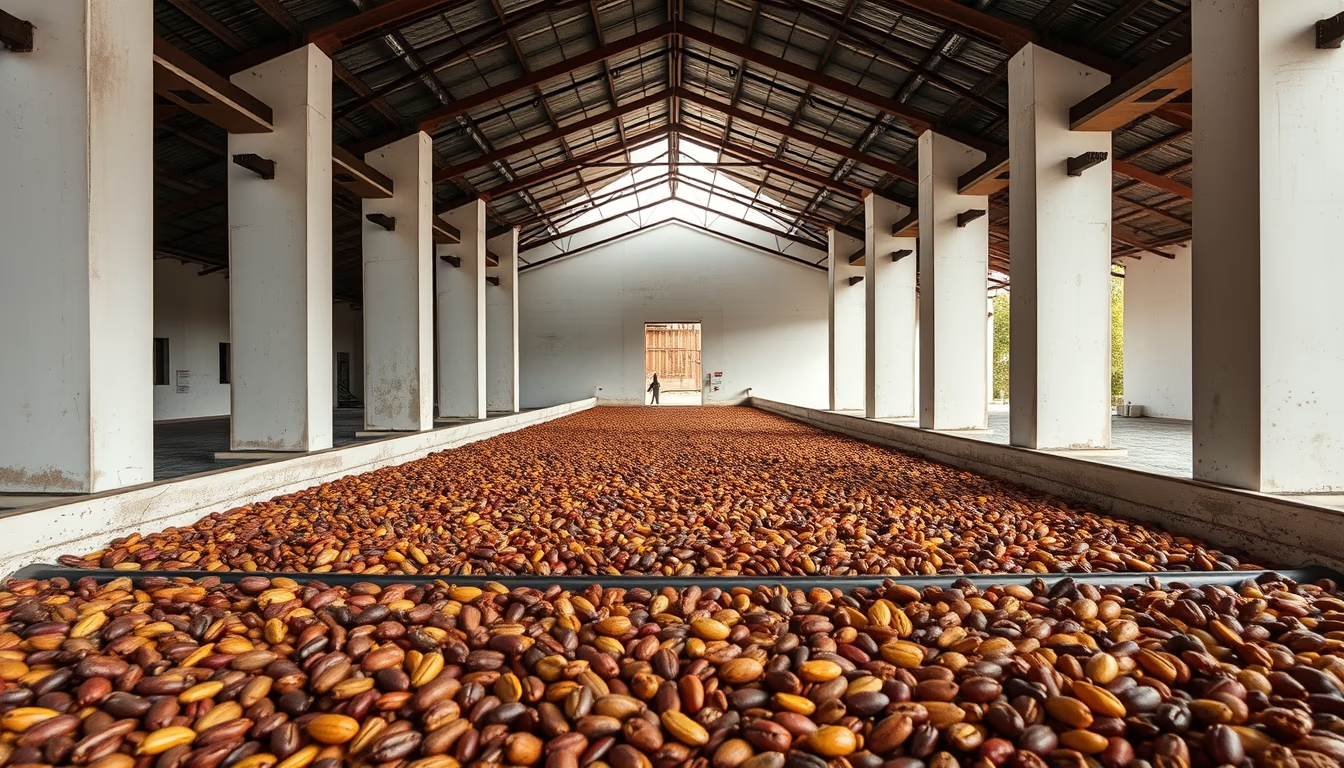
The drying of cocoa beans is a crucial step in chocolate production, preserving the flavor and quality of the nibs.
About this subject
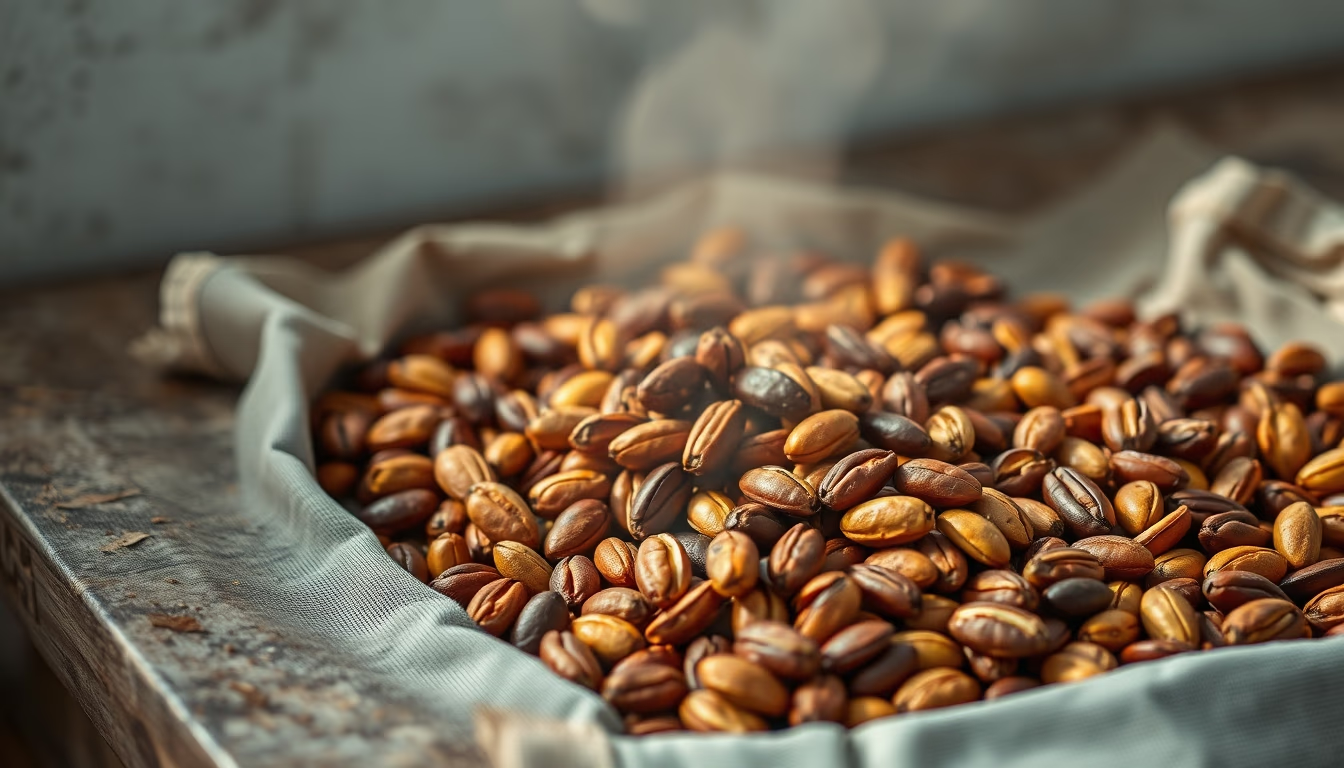
The drying of cocoa beans is an essential phase after fermentation, reducing moisture from about 60% to approximately 7.5%, stopping biochemical processes and preventing spoilage. This process can be done under the sun, in greenhouses, or using mechanical dryers, depending on the region and production scale. In Brazil, mainly in Bahia and Pará, sun drying is common, where beans are spread in thin layers on mats or cement patios and turned periodically for uniformity. Natural drying takes 5 to 10 days, while artificial methods reduce this to a few hours but require strict temperature control to avoid damaging fatty acids and volatile compounds that give chocolate its aroma. The final quality of cocoa is directly linked to this step: very fast drying can lock in acidity, while slow drying favors the development of fruity and complex flavors. Studies from the Federal University of Viçosa show that the ideal temperature in dryers is between 40°C and 50°C, and excessive sun exposure can degrade pigments. Additionally, improper drying can lead to the proliferation of fungi such as Aspergillus flavus, which produces aflatoxins harmful to health. Therefore, fine cocoa producers adopt controlled practices, such as using plastic covers during unexpected rain. In regions like Côte d'Ivoire, the world's largest producer, drying is done on small farms using traditional techniques, while in Indonesia mechanization is advancing. The choice of method impacts the sensory profile of the final chocolate, being a differentiating factor in the origin market.
Frequently Asked Questions
Why is drying cocoa beans important?
Drying reduces moisture to prevent spoilage and fungal growth, and allows flavors to develop properly. Without this step, fermented cocoa would deteriorate and not produce quality chocolate.
How long does natural sun drying take?
Under ideal sun and ventilation conditions, natural drying takes 5 to 10 days. The beans are spread in thin layers and turned regularly for even drying.
What are the risks of improper drying?
Too fast drying can cause high acidity and unpleasant flavors. Too slow drying or residual moisture allows the growth of fungi that produce aflatoxins, which are toxic and can contaminate the batch.
Direct URL
https://pub-c7d6a6ea828543ac903a74a341ccb2e1.r2.dev/imagens/cocoa-beans-drying-architectural-photography-fresh2.avifHow to credit
Include a visible link back to UtilizAí. Copy one of the snippets below:
<a href="https://xn--utiliza-eza.com/en/midia/imagens/cocoa-beans-drying-architectural-photography-fresh2">Cocoa beans drying</a> by <a href="https://xn--utiliza-eza.com">UtilizAí</a>, licensed under <a href="https://creativecommons.org/licenses/by/4.0/">CC BY 4.0</a>.
[Cocoa beans drying](https://xn--utiliza-eza.com/en/midia/imagens/cocoa-beans-drying-architectural-photography-fresh2) by [UtilizAí](https://xn--utiliza-eza.com), CC BY 4.0
License: CC-BY-4.0