Cobbler workbench
1344×768 · AVIF · CC BY 4.0

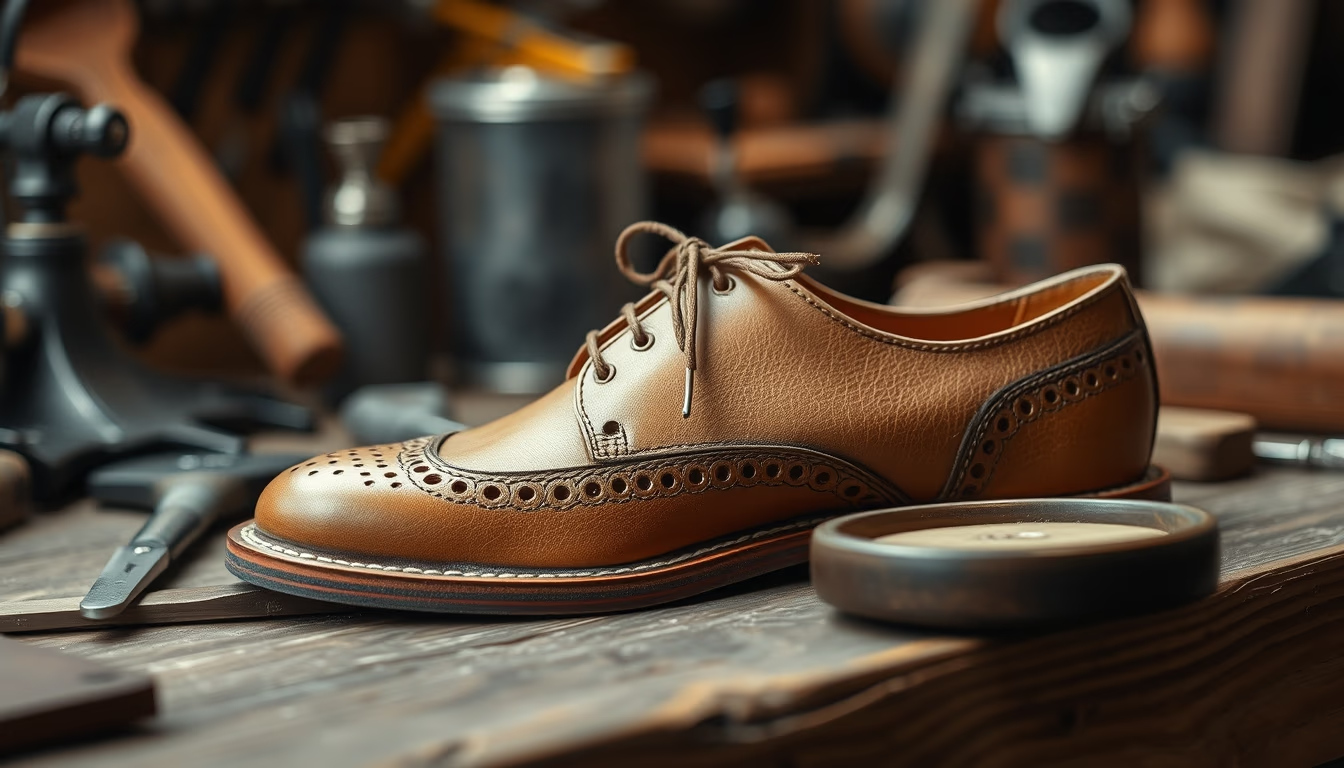
A cobbler workbench is the heart of shoemaking and repair, combining hand tools and traditional materials for lasting craftsmanship.
About this subject
A cobbler workbench is a heavy-duty surface, often made of solid hardwood like oak or beech, designed to withstand hammer blows and the use of cutting tools. It typically features drawers and compartments for storing awls, knives, lasts, nails, waxed threads, adhesives, and leather scraps. The height is adjusted for seated work, with a footrest or a 'cobbler's stool' for the customer.
Historically, shoemaking dates back millennia; ancient Egyptians crafted leather sandals. Cobbler workbenches evolved over centuries, with European models incorporating holding clamps and adjustable iron rests. In the 19th century, the craft reached its peak with guilds and apprenticeships. The Industrial Revolution introduced machinery, but many cobblers retained their handwork benches for repairs and bespoke orders.
Culturally, the cobbler's bench represents manual craftsmanship, repair over disposal, and personalized service. In recent times, the slow fashion movement has revived interest in traditional shoemaking. Notable tools include the 'cobbler's hammer', 'curved awl', and 'lasting pliers'. Bench maintenance involves cleaning leather residues, oiling metal parts to prevent rust, and keeping wooden surfaces smooth.
Globally, workbenches vary: Italian models may have intricate wooden vises, while Japanese cobblers use lightweight bamboo stands. Regardless of design, the workbench remains the central station where raw leather is shaped, stitched, and finished into footwear that blends durability with heritage.
Frequently Asked Questions
What tools are essential on a cobbler workbench?
Essential tools include a cobbler's hammer, curved awl, leather knife, nails and tacks, waxed thread, eyelets, contact cement, and a shoe stretcher. The bench should also have a footrest or clamp for holding the shoe.
How to choose a cobbler workbench for beginners?
Look for a solid hardwood bench with drawers and a stable surface. The height should allow seated work with feet flat on the floor. Antique or used workbenches are often ideal as they are already seasoned and sturdy.
Why is the cobbler workbench culturally significant?
The cobbler workbench represents traditional craftsmanship, repair culture, and personalized service. In many societies, it symbolizes the value of handmade goods and sustainability, especially in the context of the slow fashion movement.
Direct URL
https://pub-c7d6a6ea828543ac903a74a341ccb2e1.r2.dev/imagens/cobbler-workbench-film-grain-authentic-fresh6.avifHow to credit
Include a visible link back to UtilizAí. Copy one of the snippets below:
<a href="https://xn--utiliza-eza.com/en/midia/imagens/cobbler-workbench-film-grain-authentic-fresh6">Cobbler workbench</a> by <a href="https://xn--utiliza-eza.com">UtilizAí</a>, licensed under <a href="https://creativecommons.org/licenses/by/4.0/">CC BY 4.0</a>.
[Cobbler workbench](https://xn--utiliza-eza.com/en/midia/imagens/cobbler-workbench-film-grain-authentic-fresh6) by [UtilizAí](https://xn--utiliza-eza.com), CC BY 4.0
License: CC-BY-4.0