Cobbler workbench
1344×768 · AVIF · CC BY 4.0
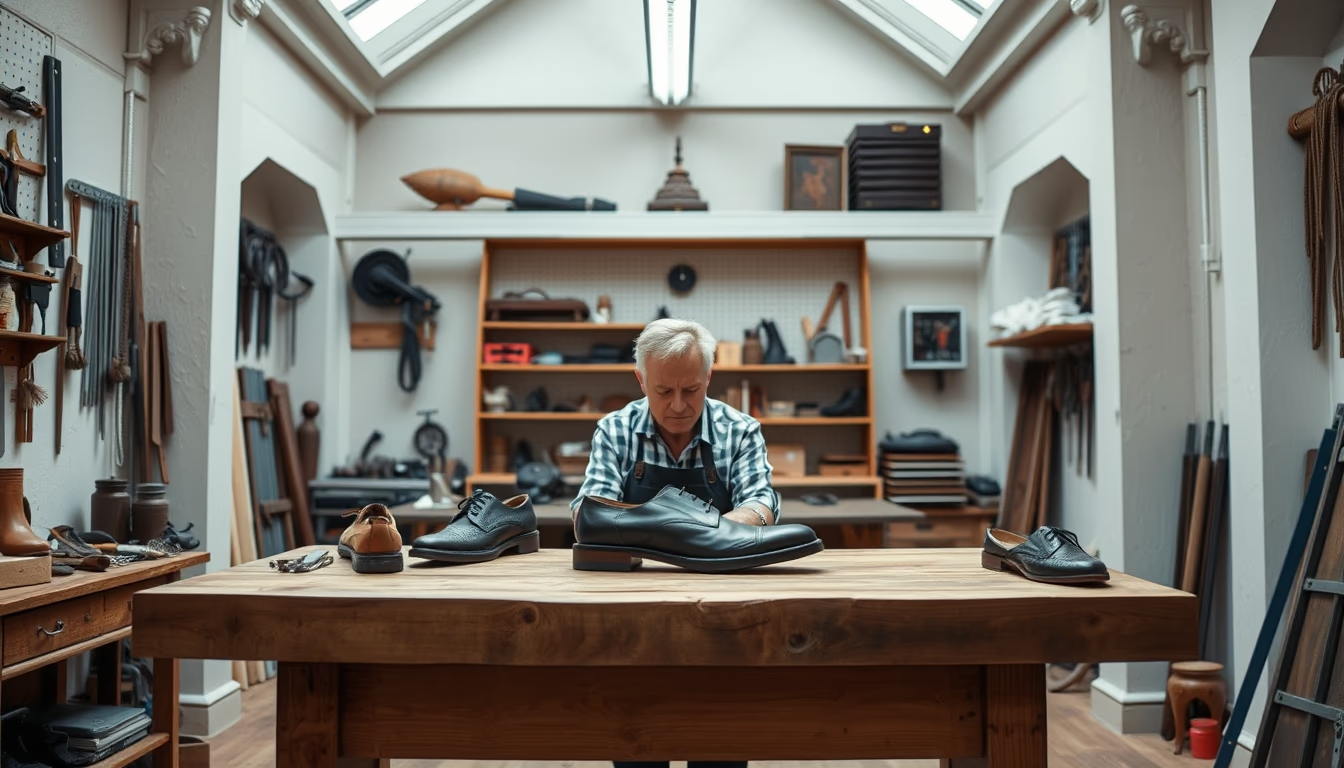
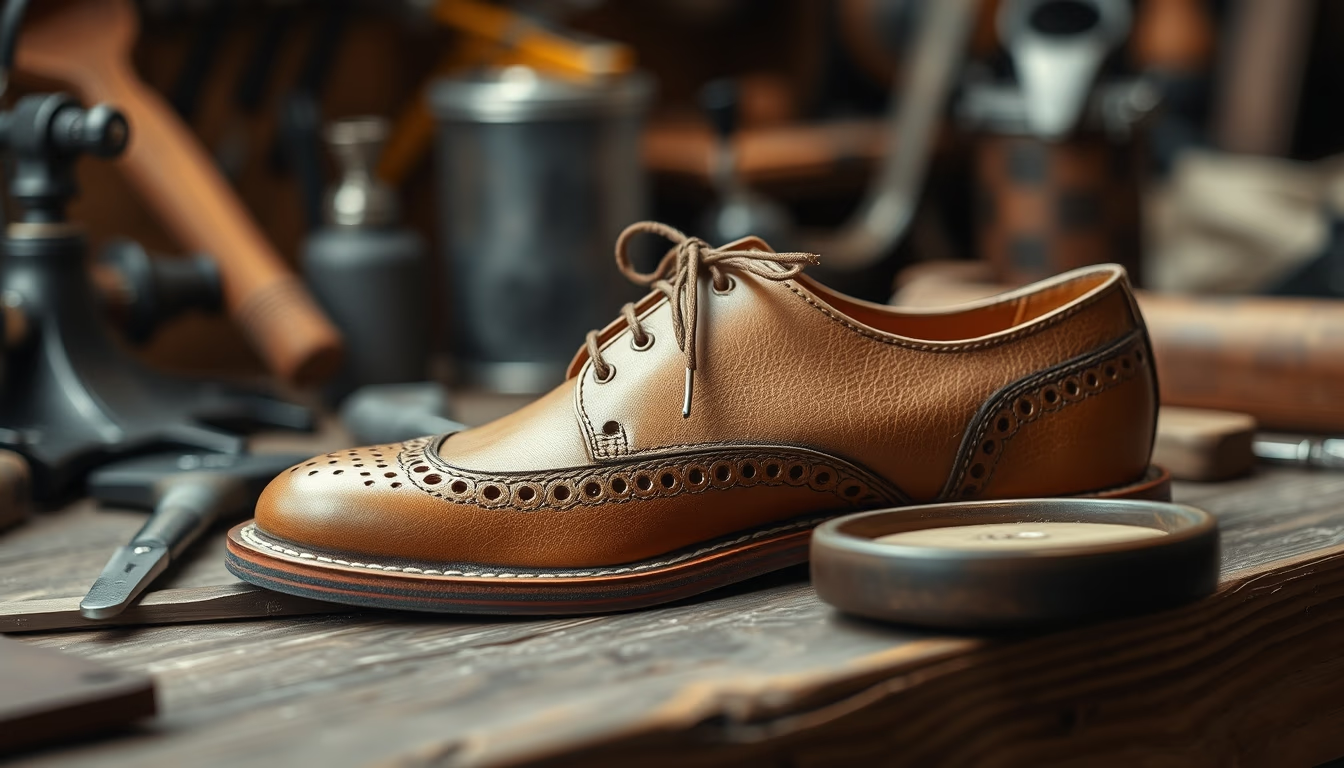
The cobbler workbench is the epicenter of shoemaking craftsmanship, where leather, tools, and technique converge to create and repair footwear.
About this subject
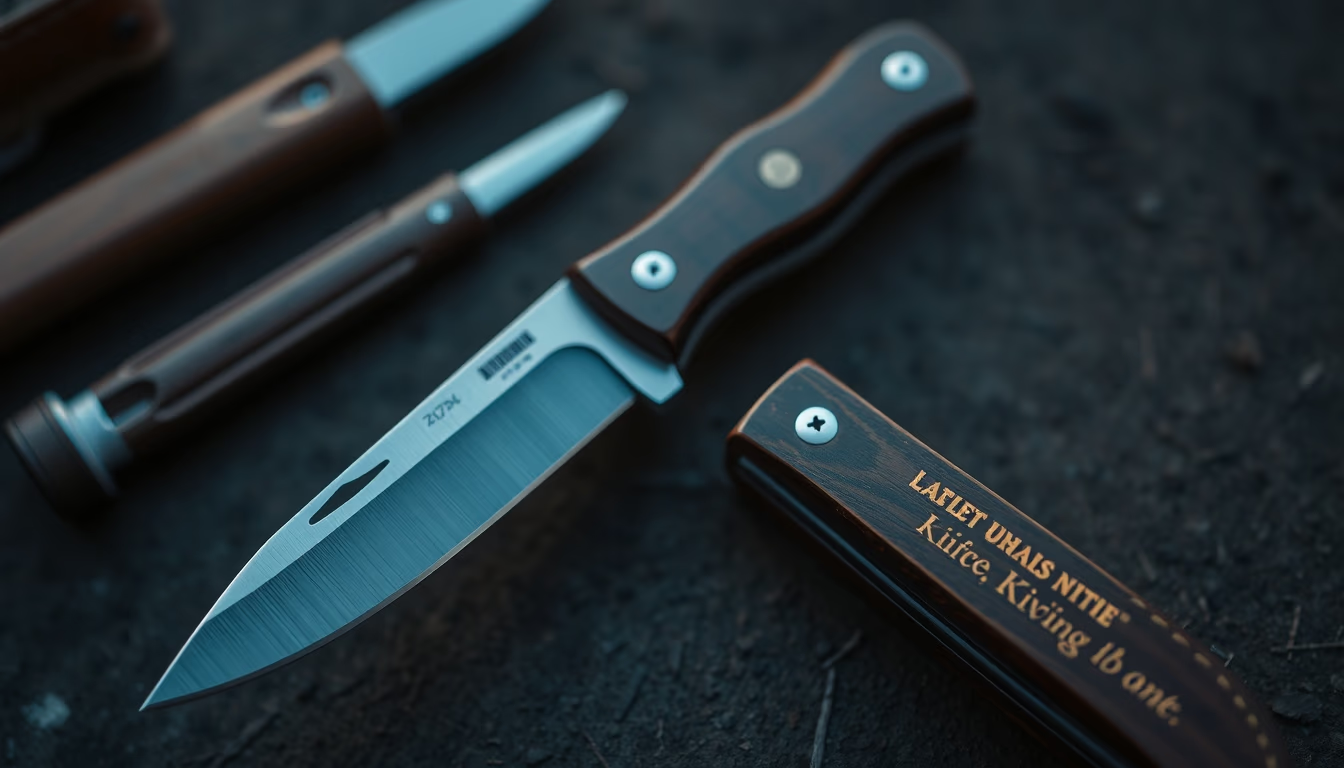
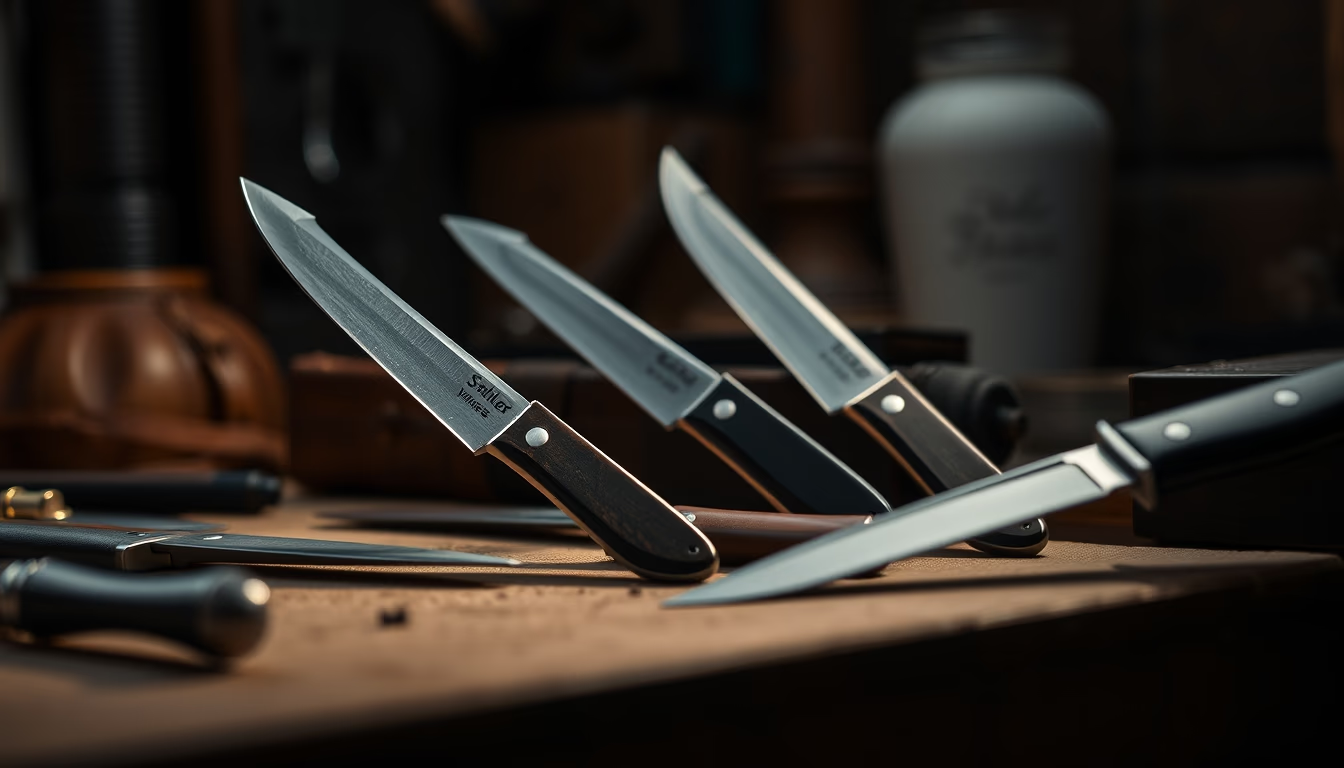
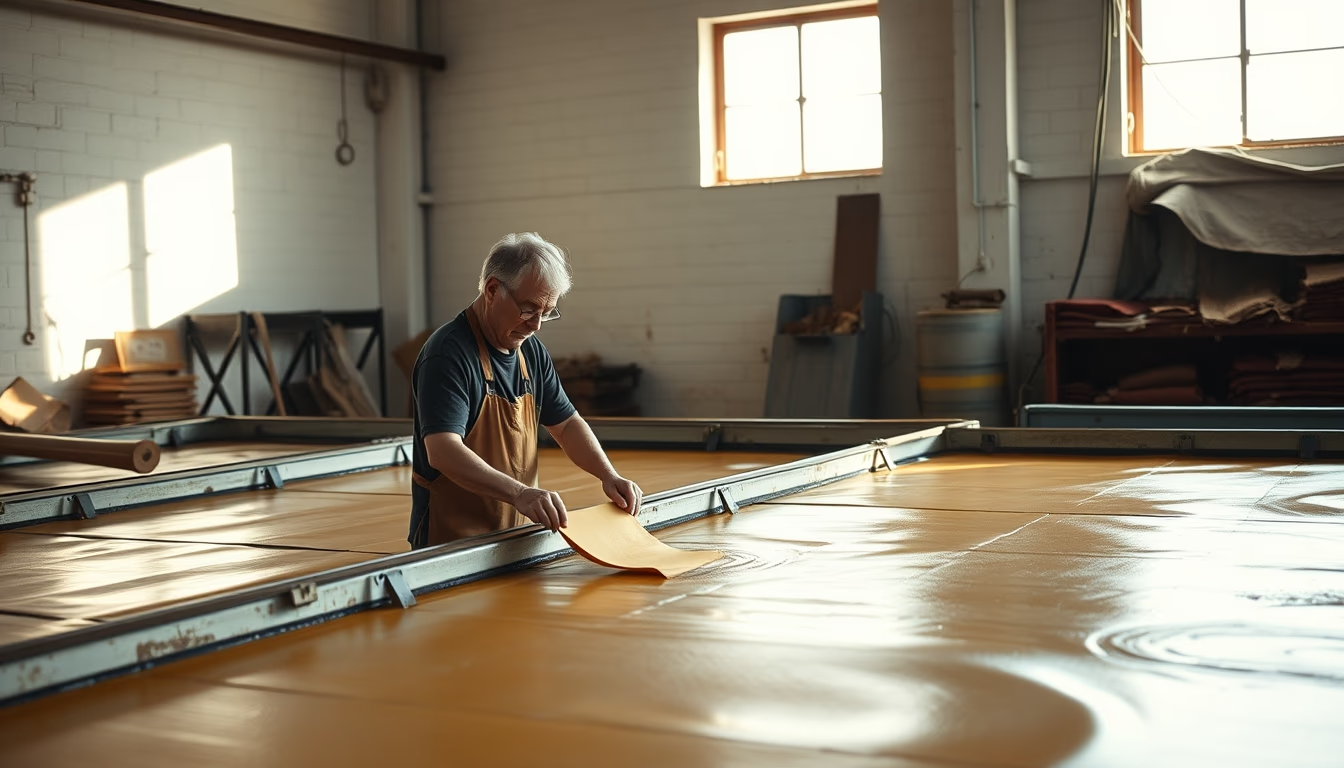
The cobbler workbench is an essential piece of equipment for the leather craftsman. Traditionally made of solid wood, it bears the weight of tools such as hammers, scissors, pliers, awls, and shoe lasts. The surface often shows signs of use and grooves, witnesses to years of work. In artisanal shoemaking, the bench is organized into zones: a cutting area for leather, a sewing area, and an assembly and finishing area. The cobbler's craft dates back thousands of years; in Brazil, it gained prominence with Italian and German immigrants in the South, who brought refined techniques. Until the mid-20th century, shoe repair was a common neighborhood activity, with the local cobbler keeping his bench on the sidewalk or in small workshops. Today, although industrial production prevails, there is a revival of interest in handmade footwear, valuing manual work and customization. A well-equipped bench can include everything from half-moon knives to hand presses, and each tool has a specific purpose, such as the stretcher for stretching leather or the wooden last for shaping footwear. Maintaining the bench is also crucial: oiling scissors and sharpening knives ensure precise cuts. Interestingly, the phrase "estar na bancada" among cobblers means being focused on work, showing the centrality of this piece of furniture in the craft.
Frequently Asked Questions
What tools are essential on a cobbler workbench?
Cobbler hammer, leather shears, pulling pliers, awl, shoe lasts, half-moon knife, hand press, and sewing needles are some basic tools.
What is the difference between a shoemaker and a cobbler?
Traditionally a shoemaker creates footwear from scratch, while a cobbler focuses on repairs and adjustments. Today the terms are often used interchangeably, but the historical distinction remains.
Is the cobbler workbench still used in the modern industry?
Yes, although large-scale production uses machines, many artisans and small shoe repair shops maintain manual workbenches for repair services and custom-made footwear, preserving traditional techniques.
Direct URL
https://pub-c7d6a6ea828543ac903a74a341ccb2e1.r2.dev/imagens/cobbler-workbench-architectural-photography-fresh5.avifHow to credit
Include a visible link back to UtilizAí. Copy one of the snippets below:
<a href="https://xn--utiliza-eza.com/en/midia/imagens/cobbler-workbench-architectural-photography-fresh5">Cobbler workbench</a> by <a href="https://xn--utiliza-eza.com">UtilizAí</a>, licensed under <a href="https://creativecommons.org/licenses/by/4.0/">CC BY 4.0</a>.
[Cobbler workbench](https://xn--utiliza-eza.com/en/midia/imagens/cobbler-workbench-architectural-photography-fresh5) by [UtilizAí](https://xn--utiliza-eza.com), CC BY 4.0
License: CC-BY-4.0