Cobbler workbench
1344×768 · AVIF · CC BY 4.0
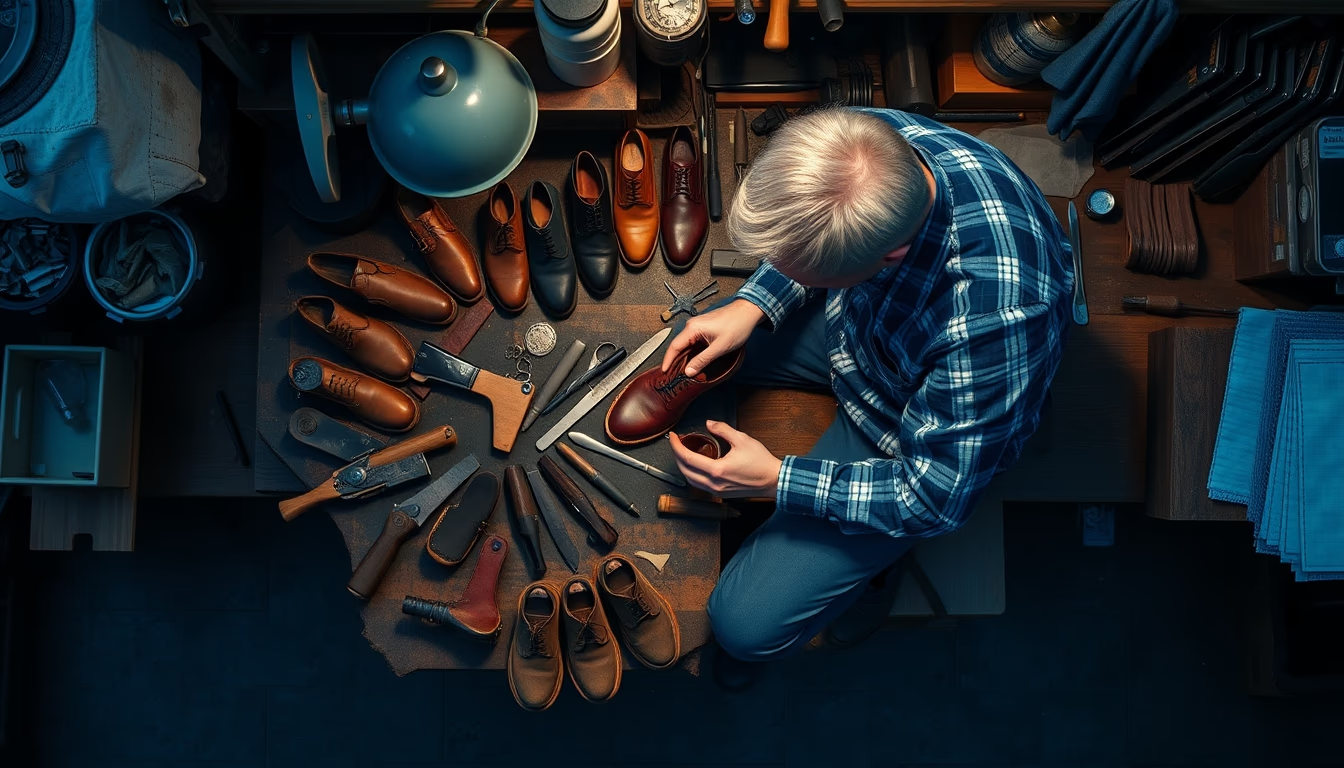
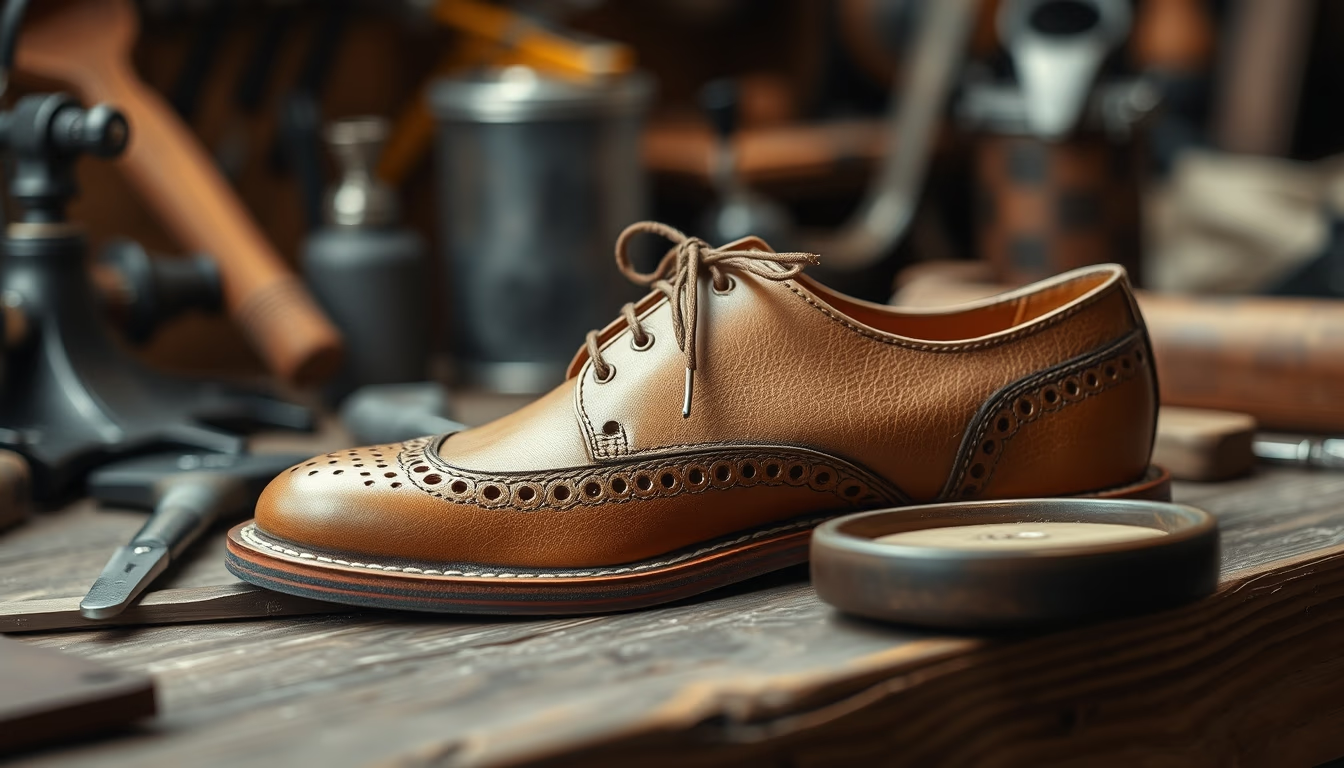
A cobbler's workbench displays the essential tools and materials for the manual craft of repairing and making footwear.
About this subject
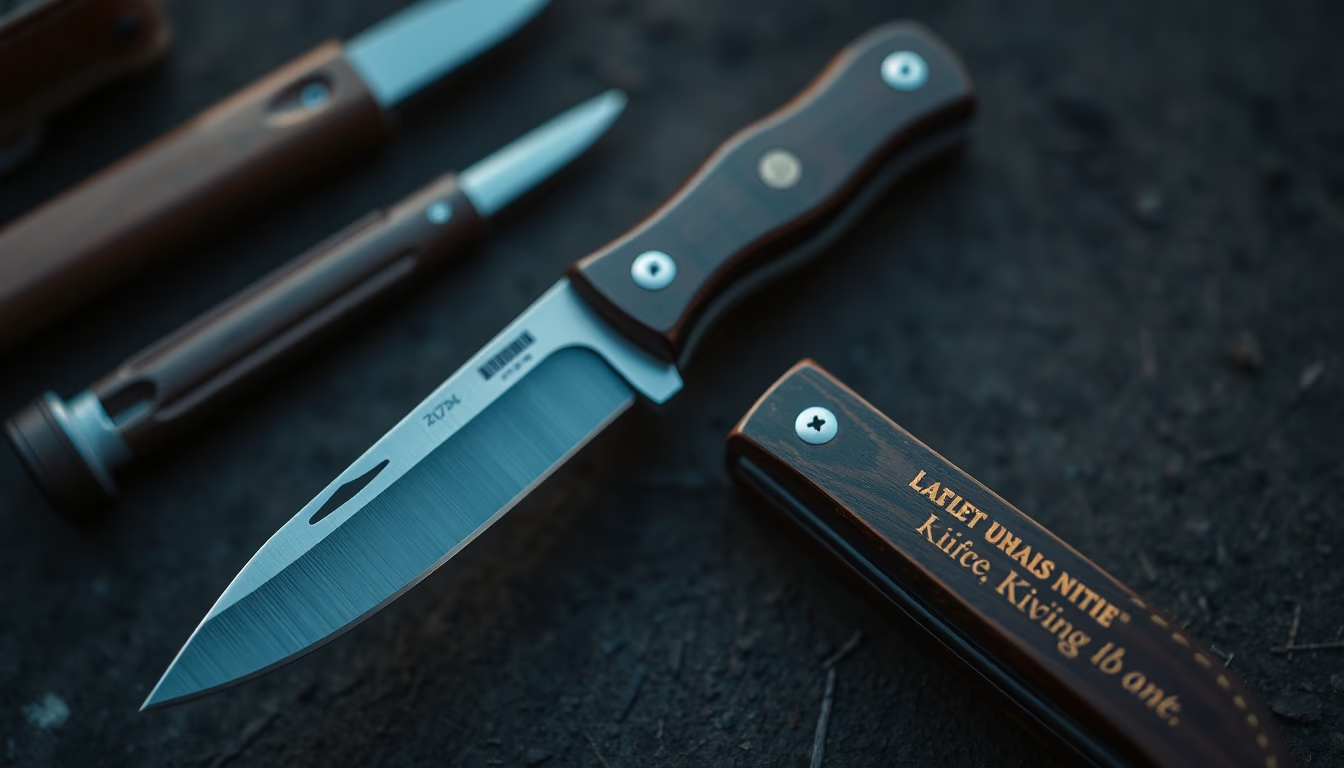
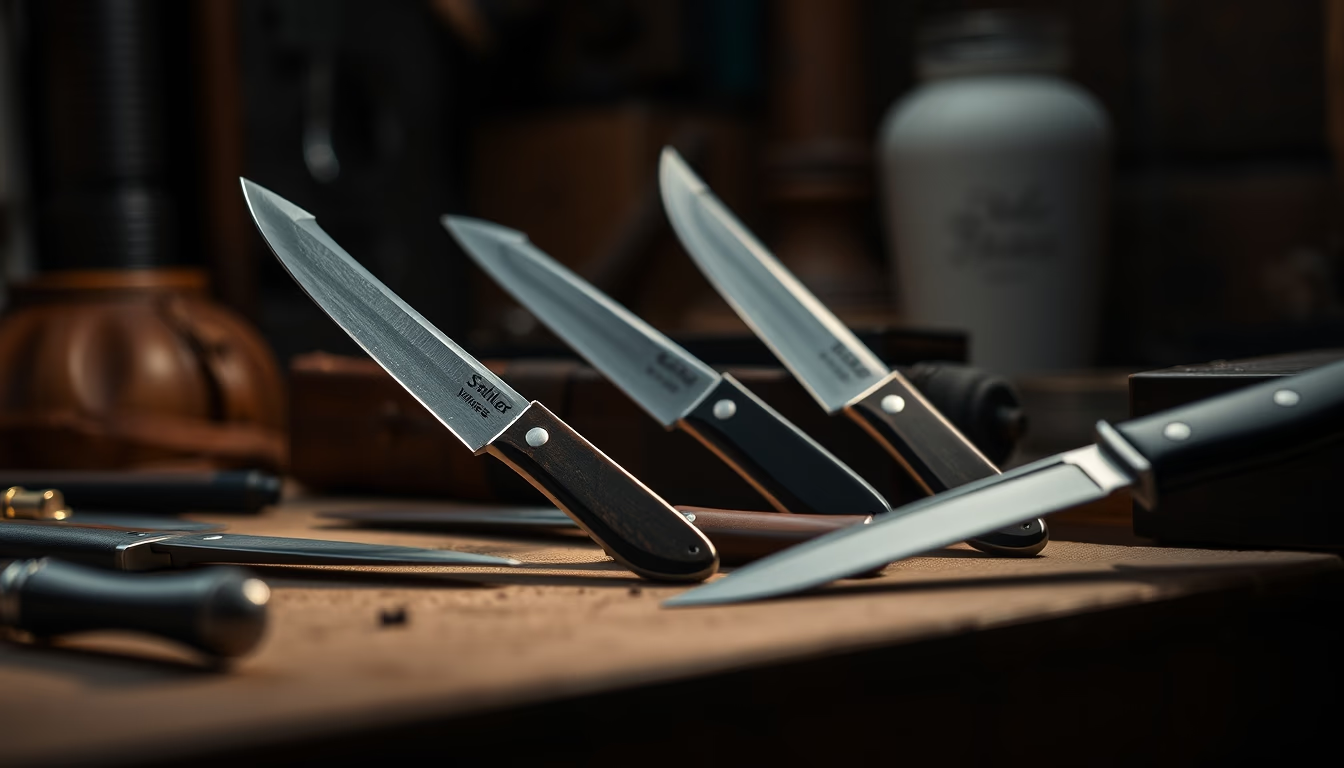
A cobbler's workbench is the heart of a footwear artisan's workshop. It holds specialized tools such as the shoe last, which shapes the footwear; the cobbler's hammer, with heads of various shapes for pounding soles and nails; and the half-moon knives, used for cutting leather with precision. The awl, the punch, the curved needle, and waxed thread are indispensable for hand stitching, a technique that ensures repair durability. A curious item is the 'sole iron,' a piece of heated metal (traditionally using charcoal or gas) used to smooth and finish the leather sole.
The craft of shoemaking dates back to antiquity, with similar tools found in Pompeii excavations. In Brazil, the profession flourished with European immigration, especially Italian immigrants who brought refined handmade footwear techniques. Cities like Franca (São Paulo state) and Novo Hamburgo (Rio Grande do Sul) became footwear hubs, yet still preserve small cobbler shops that keep tradition alive. A well-organized workbench signals experience: every tool has its place, as repair efficiency depends on quick access.
Globalization and mass production have reduced the number of cobblers, but the growing interest in conscious consumption and the 'slow fashion' movement has revitalized the craft. Today, many young people seek to learn the trade through short courses or from master cobblers in their workshops. The workbench, viewed from above in an aerial shot, offers a unique perspective on the symmetry and logic of artisanal work organization, contrasting with the controlled chaos of a profession that demands manual precision.
Frequently Asked Questions
What are the basic tools of a cobbler?
Basic tools include the shoe last, cobbler's hammer, half-moon knife, awl, punch, curved needle, waxed thread, and sole iron. Each has a specific function in repairing or making footwear.
How has the cobbler profession evolved in Brazil?
The profession developed with European immigration, especially Italian, which brought artisan techniques. Hubs like Franca (SP) and Novo Hamburgo (RS) rose to prominence, but the craft declined with industrialization. However, the slow fashion movement has spurred a revival.
Why is hand stitching important in cobbler work?
Hand stitching, using a curved needle and waxed thread, is crucial for durability and strength of repairs. Unlike machine stitching, it allows greater control and precise adjustment, and is a traditional technique valued in high-quality handmade footwear.
Direct URL
https://pub-c7d6a6ea828543ac903a74a341ccb2e1.r2.dev/imagens/cobbler-workbench-aerial-drone-shot-fresh17.avifHow to credit
Include a visible link back to UtilizAí. Copy one of the snippets below:
<a href="https://xn--utiliza-eza.com/en/midia/imagens/cobbler-workbench-aerial-drone-shot-fresh17">Cobbler workbench</a> by <a href="https://xn--utiliza-eza.com">UtilizAí</a>, licensed under <a href="https://creativecommons.org/licenses/by/4.0/">CC BY 4.0</a>.
[Cobbler workbench](https://xn--utiliza-eza.com/en/midia/imagens/cobbler-workbench-aerial-drone-shot-fresh17) by [UtilizAí](https://xn--utiliza-eza.com), CC BY 4.0
License: CC-BY-4.0