Christmas tree ornaments
1344×768 · AVIF · CC BY 4.0
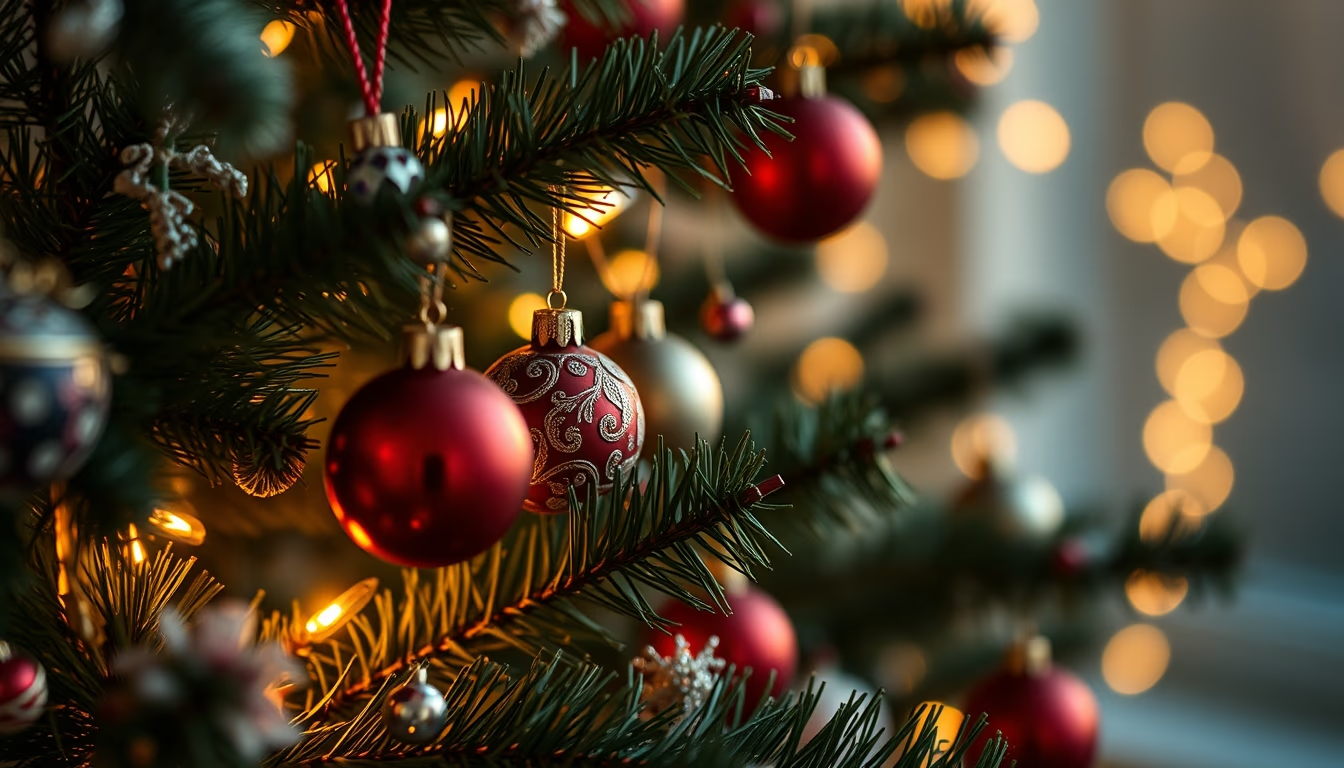
Christmas tree ornaments have evolved from fruits and candles to handmade and technological pieces, carrying centuries of tradition and symbolism.
About this subject
Christmas tree ornaments have a rich history dating back to 16th-century Germany, where the first decorated trees appeared. Initially, families used apples, nuts, and candles to symbolize fertility and light. The tradition spread across Europe, and by the 19th century, blown glass ornament production flourished in the Thuringia region, especially in the town of Lauscha. These handmade ornaments, such as colorful balls and animal figures, became symbols of German Christmas and were exported worldwide.
With industrialization, ornaments began to be mass-produced using materials like plastic, metal, and paper. By the 20th century, diverse themes emerged: from movie and cartoon characters to religious and natural elements. Today, you can find ornaments incorporating technology, such as LEDs and motion sensors, as well as sustainable pieces made from recycled materials. Each culture adds its local touch, like colorful straw ornaments in Brazil or wooden decorations in Scandinavia.
The meaning of ornaments is also deep. Round balls represent perfection and eternity, stars symbolize the guidance of the three wise men, and angels remind of the message of peace. Many families collect ornaments that tell their history, with pieces inherited from previous generations or bought during travels. Tree decorating has become a ritual that strengthens family bonds and keeps Christmas traditions alive.
Interestingly, ornament traditions have also adapted to different climates and resources. In tropical regions like Brazil, it is common to use dried fruits and local flowers. Each year, new trends emerge, such as minimalist ornaments or those inspired by sustainability, showing that Christmas tree ornaments continue to evolve, maintaining their central role in global celebrations.
Frequently Asked Questions
What is the origin of Christmas tree ornaments?
The first ornaments appeared in 16th-century Germany, using apples and nuts. Blown glass ornaments originated in Lauscha, Thuringia, in the 19th century, popularizing the colorful balls we know today.
What materials are used in modern ornaments?
Today, ornaments are made of glass, plastic, metal, wood, fabric, and recycled materials. Many incorporate technology such as LEDs and biodegradable glitter.
Do tree ornaments have symbolic meanings?
Yes. Round balls represent perfection and eternity; stars, the Star of Bethlehem; angels, peace; and bells, the announcement of Jesus' birth. Each shape carries Christian or folk symbolism.
Direct URL
https://pub-c7d6a6ea828543ac903a74a341ccb2e1.r2.dev/imagens/christmas-tree-ornaments-cinematic-wide-shot-p3.avifHow to credit
Include a visible link back to UtilizAí. Copy one of the snippets below:
<a href="https://xn--utiliza-eza.com/en/midia/imagens/christmas-tree-ornaments-cinematic-wide-shot-p3">Christmas tree ornaments</a> by <a href="https://xn--utiliza-eza.com">UtilizAí</a>, licensed under <a href="https://creativecommons.org/licenses/by/4.0/">CC BY 4.0</a>.
[Christmas tree ornaments](https://xn--utiliza-eza.com/en/midia/imagens/christmas-tree-ornaments-cinematic-wide-shot-p3) by [UtilizAí](https://xn--utiliza-eza.com), CC BY 4.0
License: CC-BY-4.0