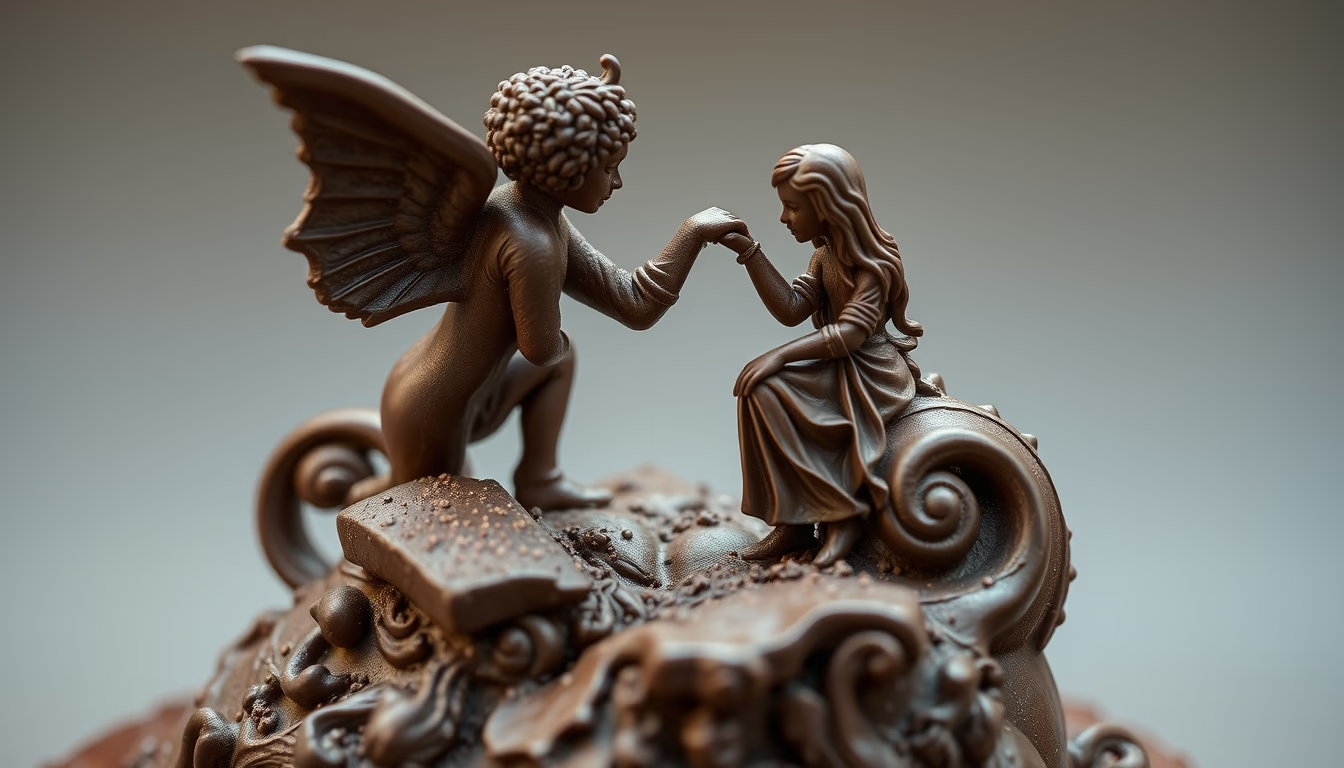
Chocolate sculpture intricate
1344×768 · AVIF · CC BY 4.0
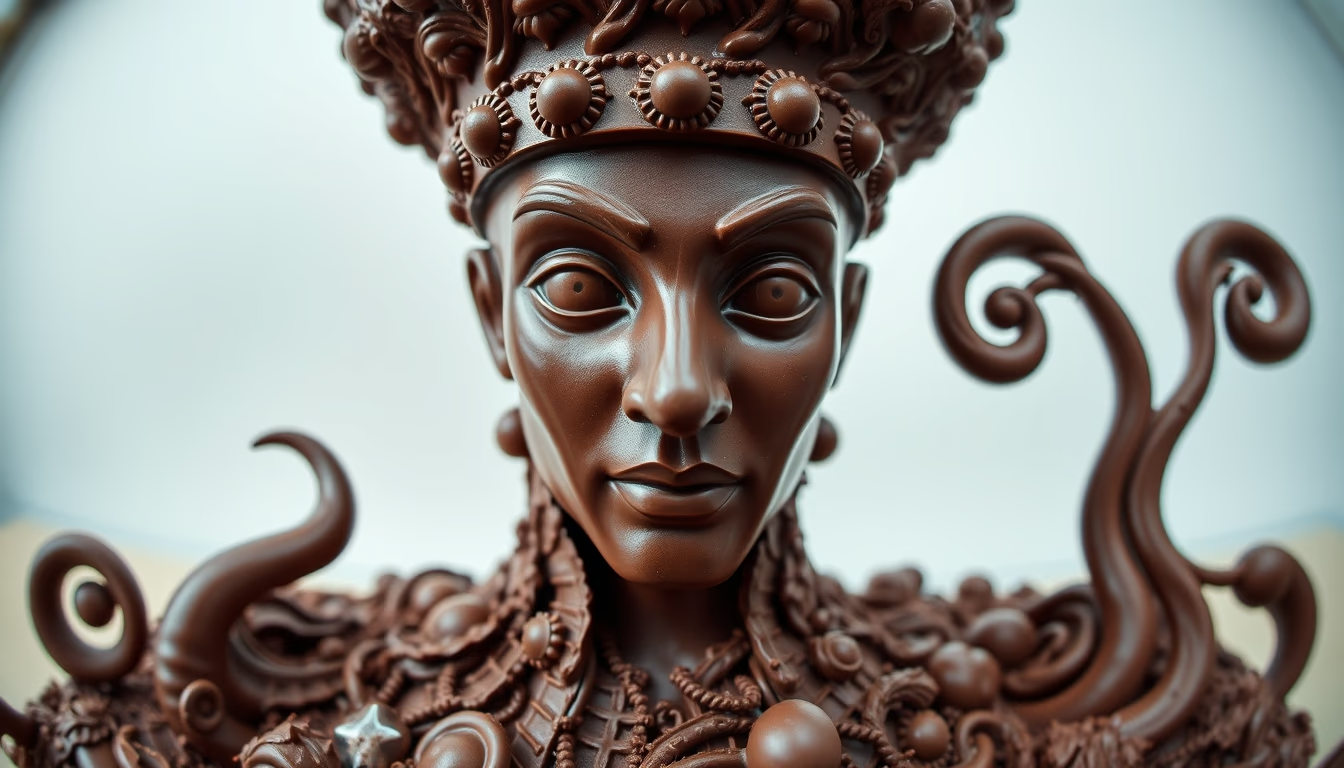
Chocolate sculptures require refined technique and high-quality ingredients, blending art and gastronomy into detailed pieces.
About this subject
Chocolate sculpture is a form of culinary art that demands technical mastery and deep understanding of chocolate's properties. Chocolate is a complex material composed of cocoa butter, cocoa solids, and sugar, requiring precise control of temperature, humidity, and time. Artists typically use tempered chocolate, which undergoes controlled heating and cooling to stabilize cocoa butter crystals, resulting in a glossy, snappy finish.
Techniques range from hand modeling to using molds and specialized tools like knives, brushes, and spatulas. Large sculptures may require internal armatures of wire or foam cores coated with chocolate. Events such as pastry competitions and Easter exhibitions often feature impressive works, including busts, animals, and historical monuments. In Brazil, artisanal chocolate thrives in cocoa-producing regions like Bahia and Pará, where chefs explore local flavors.
The history of chocolate sculpture dates back to 18th-century Europe, when chocolatiers created decorative figures for nobility. Today, artists like Amaury Guichon and Ewald Notter elevate the technique internationally, with pieces fetching thousands of dollars. Sculpture is not just visual: taste and texture matter, requiring a balance between sweetness and cocoa bitterness. Interestingly, white and ruby chocolates are also used, each with unique handling quirks.
To preserve a chocolate sculpture, store it in a dry, cool environment between 18°C and 20°C, away from direct sunlight and strong odors. Excess humidity causes white bloom (fat bloom) and dulls the shine. Despite fragility, these works are edible and often dismantled for tasting after display. Chocolate's versatility allows recreating delicate arabesques to robust forms, showcasing the fusion of creativity and scientific precision.
Frequently Asked Questions
What is the difference between tempered and untempered chocolate for sculptures?
Tempered chocolate undergoes controlled heating and cooling to stabilize cocoa butter crystals, resulting in gloss, a clean snap, and resistance to bloom. Untempered chocolate is softer and duller, suitable for coatings but not detailed sculptures.
How long does a chocolate sculpture last under ideal conditions?
In a dry, cool environment (18°C to 20°C), a chocolate sculpture can last weeks or even months. However, heat, humidity, or light accelerates degradation, causing melting or fat bloom.
Can you eat a chocolate sculpture?
Yes, chocolate sculptures are made from high-quality edible chocolate. After display, many are broken and served as dessert. Taste is as important as appearance.
Direct URL
https://pub-c7d6a6ea828543ac903a74a341ccb2e1.r2.dev/imagens/chocolate-sculpture-intricate-fish-eye-wide-angle-fresh6.avifHow to credit
Include a visible link back to UtilizAí. Copy one of the snippets below:
<a href="https://xn--utiliza-eza.com/en/midia/imagens/chocolate-sculpture-intricate-fish-eye-wide-angle-fresh6">Chocolate sculpture intricate</a> by <a href="https://xn--utiliza-eza.com">UtilizAí</a>, licensed under <a href="https://creativecommons.org/licenses/by/4.0/">CC BY 4.0</a>.
[Chocolate sculpture intricate](https://xn--utiliza-eza.com/en/midia/imagens/chocolate-sculpture-intricate-fish-eye-wide-angle-fresh6) by [UtilizAí](https://xn--utiliza-eza.com), CC BY 4.0
License: CC-BY-4.0