Centenary olive tree spain
1344×768 · AVIF · CC BY 4.0
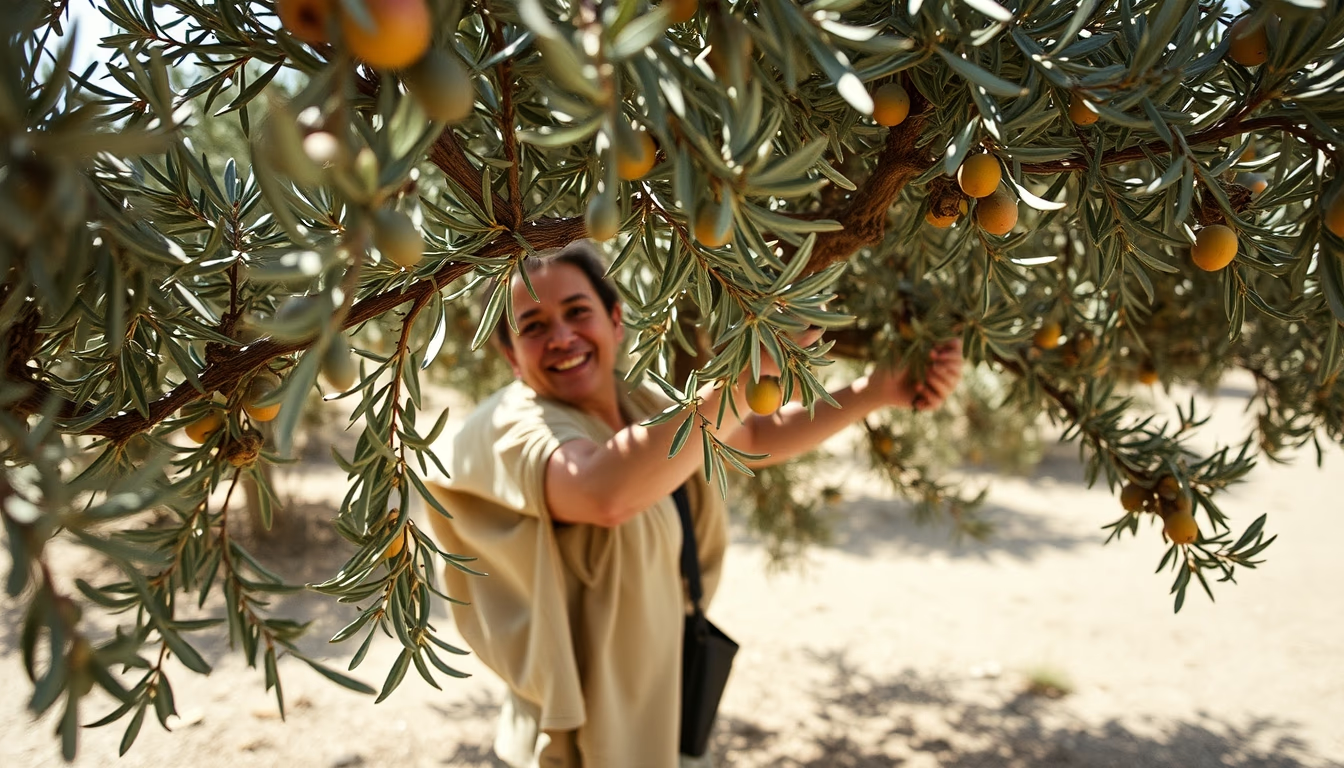
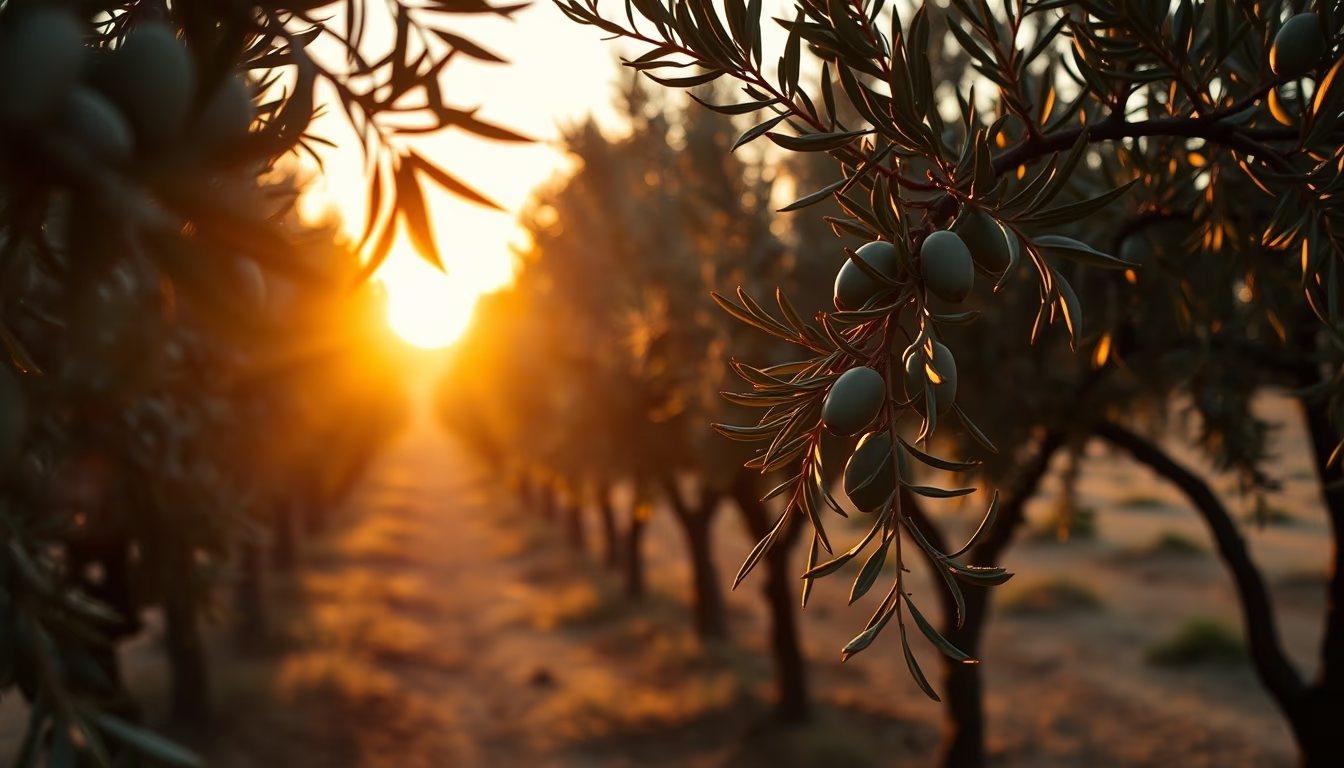
Centenary olive tree in Spain, symbol of longevity and Mediterranean olive oil production, witness to centuries of history.
About this subject
The centenary olive tree is an icon of the Spanish rural landscape, especially in Andalusia, where some of the oldest specimens in the world are found. These trees, many over a thousand years old, belong to varieties such as Picual, Hojiblanca, and Arbequina, each with unique flavor and resistance characteristics. Olive cultivation arrived in the Iberian Peninsula with the Phoenicians and was perfected by the Romans, who spread olive oil culture throughout the Empire. Today, Spain is the world's leading olive oil producer, accounting for about 40% of global production.
Centenary olive trees are protected by regional laws due to their historical and ecological value. They not only produce high-quality olives but also serve as habitats for various bird and insect species. The twisted, robust wood of these trees is often used in handicrafts and decoration. Famous specimens, such as the Olive Tree of Fuentebuena, date back to Roman times and are considered natural monuments.
Managing these trees requires special pruning and irrigation techniques to maintain productivity without damaging their structure. Many centenary olive trees are still harvested by hand, preserving traditional methods that guarantee the quality of extra virgin olive oil. Rural tourism in Spain often includes visits to secular olive groves, where visitors can learn about olive oil production and taste local products.
The cultural importance of the olive tree goes beyond food; it is a symbol of peace, wisdom, and endurance in Greek mythology and Mediterranean traditions. In Spain, olive trees are commonly planted in squares and monasteries, representing the continuity of generations. Conservation of these trees is a commitment to history and sustainability, ensuring that future generations can appreciate their beauty and fruits.
Frequently Asked Questions
How long does an olive tree live?
Olive trees can live for hundreds or even thousands of years. Centenary specimens are common in the Mediterranean region, and some trees in Spain are over 1,000 years old, still producing fruit.
Where are the most famous centenary olive trees in Spain?
The Andalusia region, especially the provinces of Jaén, Córdoba, and Granada, hosts many centenary olive trees. Notable examples include the Olive Tree of Fuentebuena (Córdoba) and the Olive Tree of La Senia (Valencia), considered one of the oldest in Europe.
Why are centenary olive trees protected?
They are protected for their historical, cultural, and ecological value. They represent a unique genetic heritage, contribute to local biodiversity, and are living witnesses to the agricultural history of the region.
Direct URL
https://pub-c7d6a6ea828543ac903a74a341ccb2e1.r2.dev/imagens/centenary-olive-tree-spain-film-grain-authentic-p5.avifHow to credit
Include a visible link back to UtilizAí. Copy one of the snippets below:
<a href="https://xn--utiliza-eza.com/en/midia/imagens/centenary-olive-tree-spain-film-grain-authentic-p5">Centenary olive tree spain</a> by <a href="https://xn--utiliza-eza.com">UtilizAí</a>, licensed under <a href="https://creativecommons.org/licenses/by/4.0/">CC BY 4.0</a>.
[Centenary olive tree spain](https://xn--utiliza-eza.com/en/midia/imagens/centenary-olive-tree-spain-film-grain-authentic-p5) by [UtilizAí](https://xn--utiliza-eza.com), CC BY 4.0
License: CC-BY-4.0