Cell animation paper
1344×768 · AVIF · CC BY 4.0

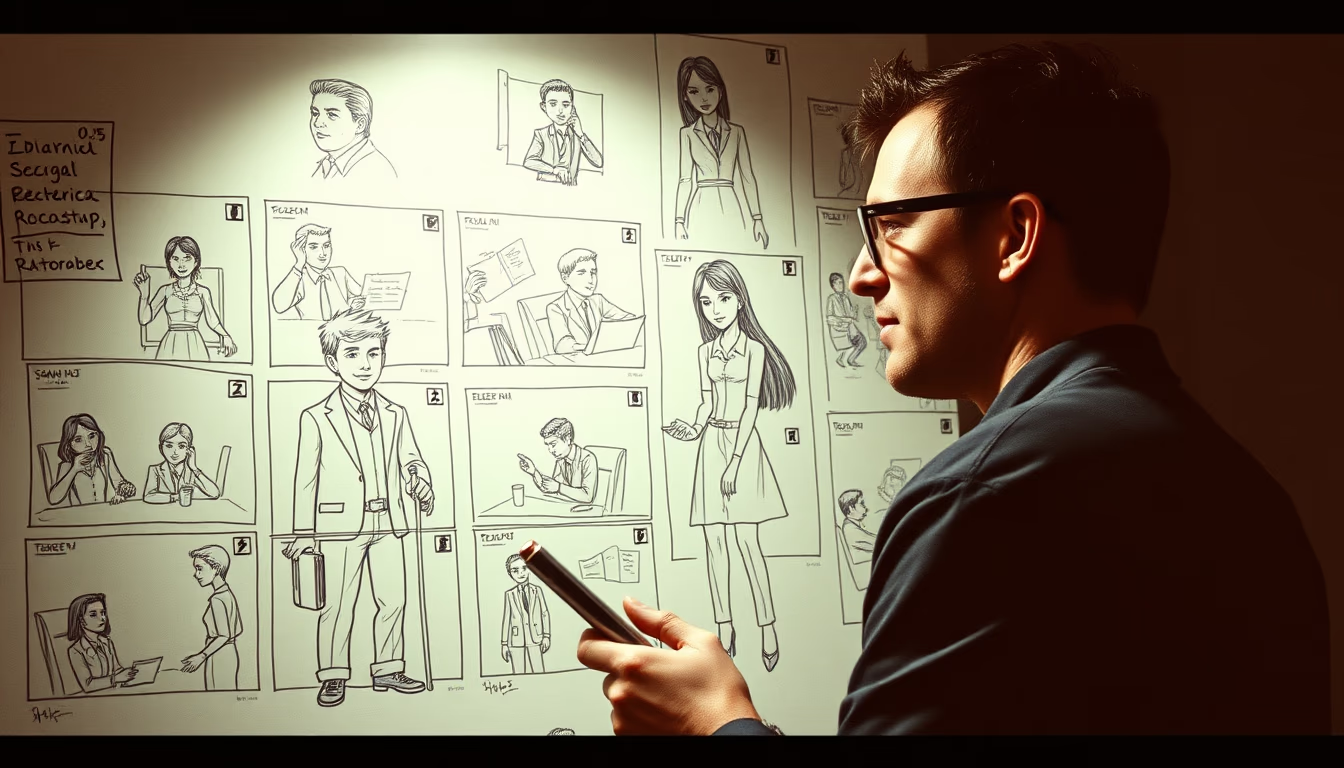
Cell animation paper, an essential tool in traditional animation production, used by studios like Disney and Studio Ghibli.
About this subject
Cell animation paper is a type of paper specially designed for traditional animation production. Unlike regular paper, it has a smooth and translucent surface that allows light to pass through, making it easier to overlay drawings and check movement continuity. This paper usually has perforated edges to fit registration pegs, ensuring all sheets are aligned correctly during photography or scanning.
Historically, cell animation paper was widely used in studios such as Disney, Warner Bros., and Hanna-Barbera during the golden age of animation. In the cell animation technique, animators drew each frame on separate sheets of paper, which were later transferred to acetate or film. Each sheet represented a single frame of movement, and the thickness of the paper needed to be consistent to avoid distortion when stacked.
With the rise of digital animation, the use of cell animation paper has declined, but it remains valued by artists who prefer the analog process. The paper is often found in pads of standardized sizes, such as 10" x 12", and can be purchased at specialized art supply stores. Its texture allows pencil and ink to adhere well without smudging easily, which is crucial for line precision.
Interestingly, the term "cel" comes from "celluloid," the material used in early animations, but pre-punched paper became the industry standard due to its lower cost and practicality. Today, many independent animators and niche studios keep the tradition alive, using the paper to create animations with a unique handmade quality.
Frequently Asked Questions
What is the difference between cell animation paper and regular paper?
Cell animation paper has a smooth, translucent surface for overlaying drawings and perforated edges that fit registration pegs, ensuring precise alignment. Regular paper lacks these features.
Why does cell animation paper have holes on the edges?
The holes allow sheets to be mounted on registration pegs, keeping all drawing layers perfectly aligned during filming or scanning, preventing animation flicker.
Is cell animation paper still used today?
Yes, although digital animation is dominant, many artists and independent studios still use the paper for analog productions, valuing the aesthetic and handcrafted process.
Direct URL
https://pub-c7d6a6ea828543ac903a74a341ccb2e1.r2.dev/imagens/cell-animation-paper-studio-editorial-portrait-fresh5.avifHow to credit
Include a visible link back to UtilizAí. Copy one of the snippets below:
<a href="https://xn--utiliza-eza.com/en/midia/imagens/cell-animation-paper-studio-editorial-portrait-fresh5">Cell animation paper</a> by <a href="https://xn--utiliza-eza.com">UtilizAí</a>, licensed under <a href="https://creativecommons.org/licenses/by/4.0/">CC BY 4.0</a>.
[Cell animation paper](https://xn--utiliza-eza.com/en/midia/imagens/cell-animation-paper-studio-editorial-portrait-fresh5) by [UtilizAí](https://xn--utiliza-eza.com), CC BY 4.0
License: CC-BY-4.0