Cell animation paper
1344×768 · AVIF · CC BY 4.0

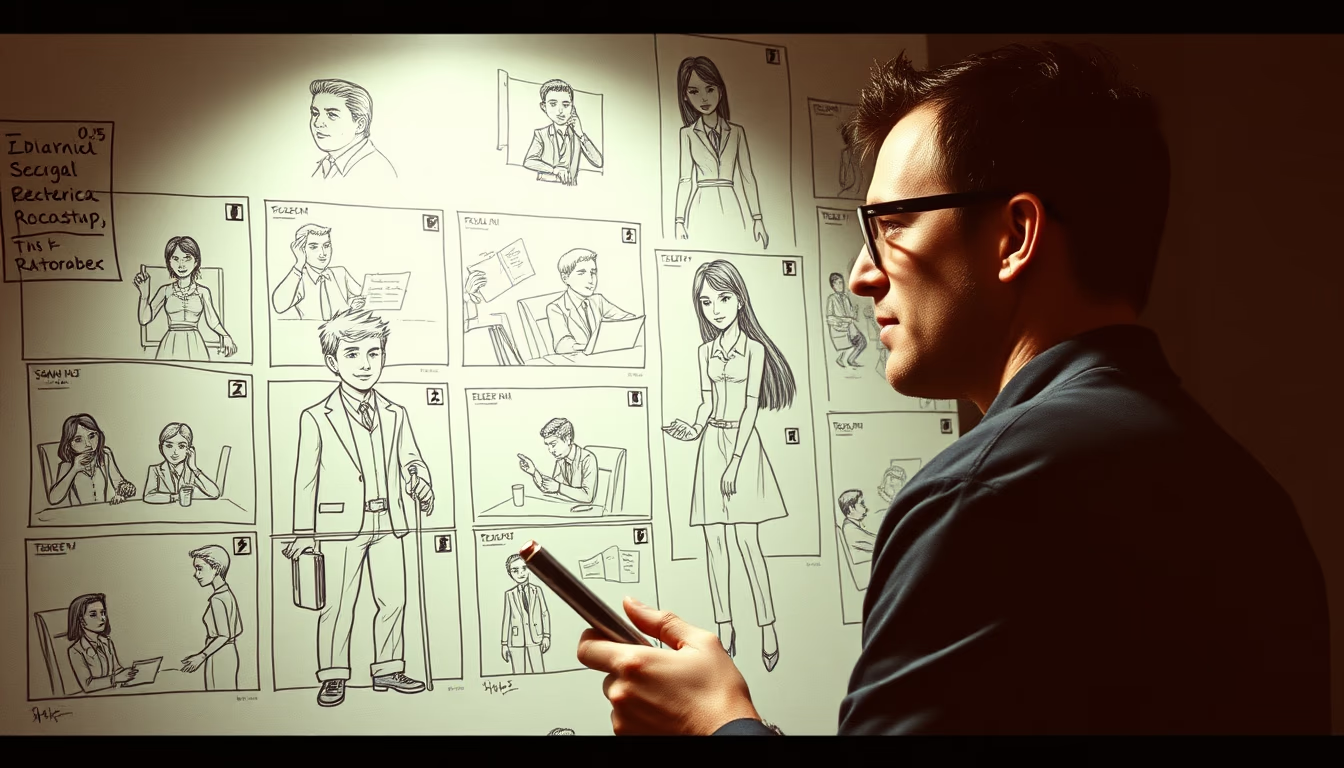
Cell animation paper, with registration peg holes, is the foundation of traditional hand-drawn animation, used by studios like Disney and Maurício de Sousa Studio.
About this subject
Cell animation paper, also known as animation paper or drawing paper, is a specific type of perforated paper used in traditional animation production. Its defining feature is the precise holes at the top or bottom that fit onto registration pegs on a light table or animation disc. This system ensures each sheet is perfectly aligned with the previous one, allowing the animator to draw sequential frames while maintaining consistent character and background positions.
Historically, cell animation paper was essential during the Golden Age of Animation (1920s, 1960s). Studios such as Walt Disney Productions, Warner Bros., and Hanna-Barbera standardized its use. In Brazil, Maurício de Sousa Studio used this same type of paper to produce the first Monica's Gang animations before digitization. The common 24-field size (24 cm high) allowed drawings to be consistently transferred to acetate cels (hence the term 'cel' animation).
The paper weight (typically 90, 120 gsm) was chosen to be translucent enough for the artist to see the previous drawing through a light table, yet opaque enough to hide guide lines. The smooth surface allowed the use of graphite or colored pencils without tearing. With the rise of digital animation, physical paper was largely replaced by tablets and software, but it remains in use in workshops, animation courses, and independent productions that value the handmade process.
Interestingly, the hole standard varies by region. In North America, the most common is the 'Acme' or 'Oxberry' standard with three holes. In Japan, studios like Studio Ghibli used a two‑hole system. Despite digitization, cell animation paper endures as a symbol of meticulous craft and classic animation art, collected by enthusiasts and used by storyboard and concept artists.
Frequently Asked Questions
What are the holes in animation paper for?
The holes fit onto registration pegs on a light table, keeping all sheets aligned. This allows the animator to draw sequential frames without shifting, ensuring smooth and consistent motion.
How is animation paper different from regular printer paper?
Animation paper has precise peg holes and a specific weight (90, 120 gsm) to be translucent on a light table yet opaque enough to hide guide lines. Regular printer paper lacks these features.
Is animation paper still used in studios today?
To a lesser extent. Major studios have moved to digital, but animation paper is still used in animation classes, independent productions, storyboarding, and by artists who prefer the traditional method.
Direct URL
https://pub-c7d6a6ea828543ac903a74a341ccb2e1.r2.dev/imagens/cell-animation-paper-magazine-editorial-fresh10.avifHow to credit
Include a visible link back to UtilizAí. Copy one of the snippets below:
<a href="https://xn--utiliza-eza.com/en/midia/imagens/cell-animation-paper-magazine-editorial-fresh10">Cell animation paper</a> by <a href="https://xn--utiliza-eza.com">UtilizAí</a>, licensed under <a href="https://creativecommons.org/licenses/by/4.0/">CC BY 4.0</a>.
[Cell animation paper](https://xn--utiliza-eza.com/en/midia/imagens/cell-animation-paper-magazine-editorial-fresh10) by [UtilizAí](https://xn--utiliza-eza.com), CC BY 4.0
License: CC-BY-4.0