Cell animation paper
1344×768 · AVIF · CC BY 4.0
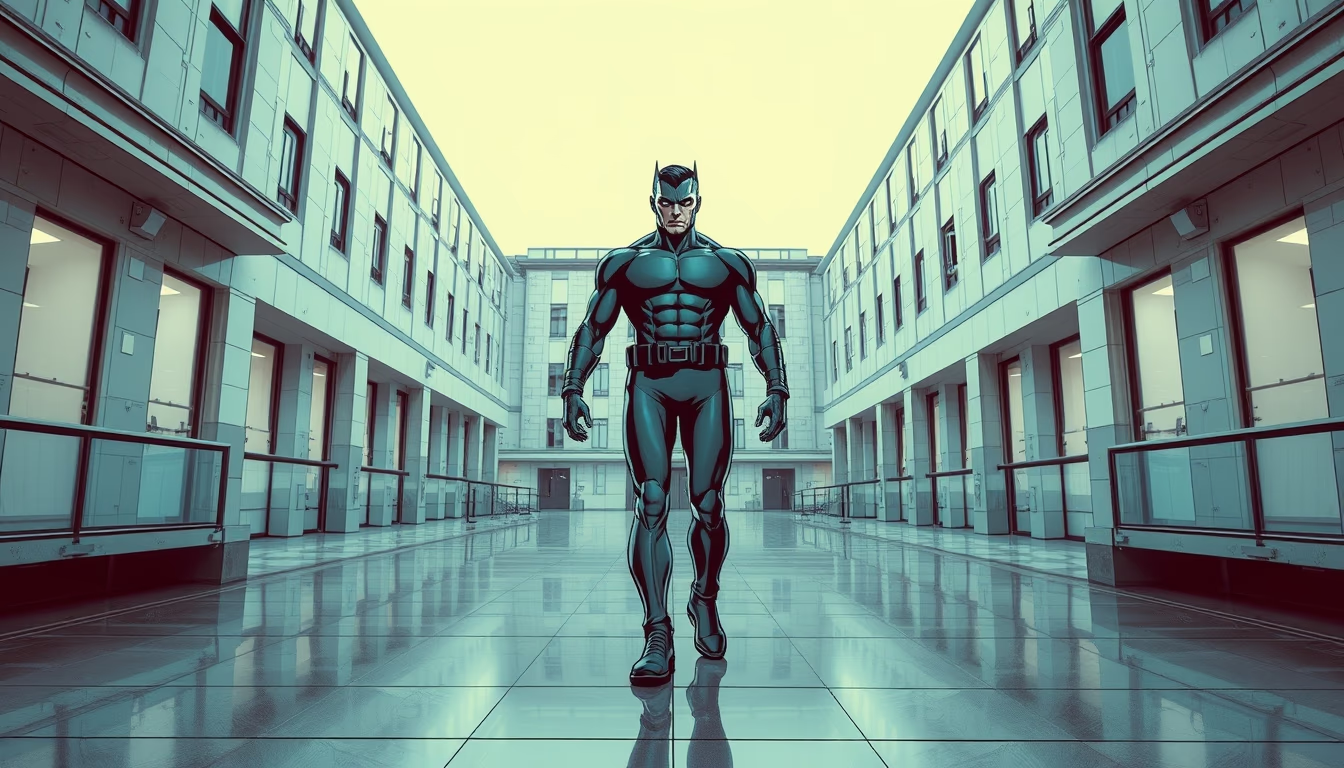
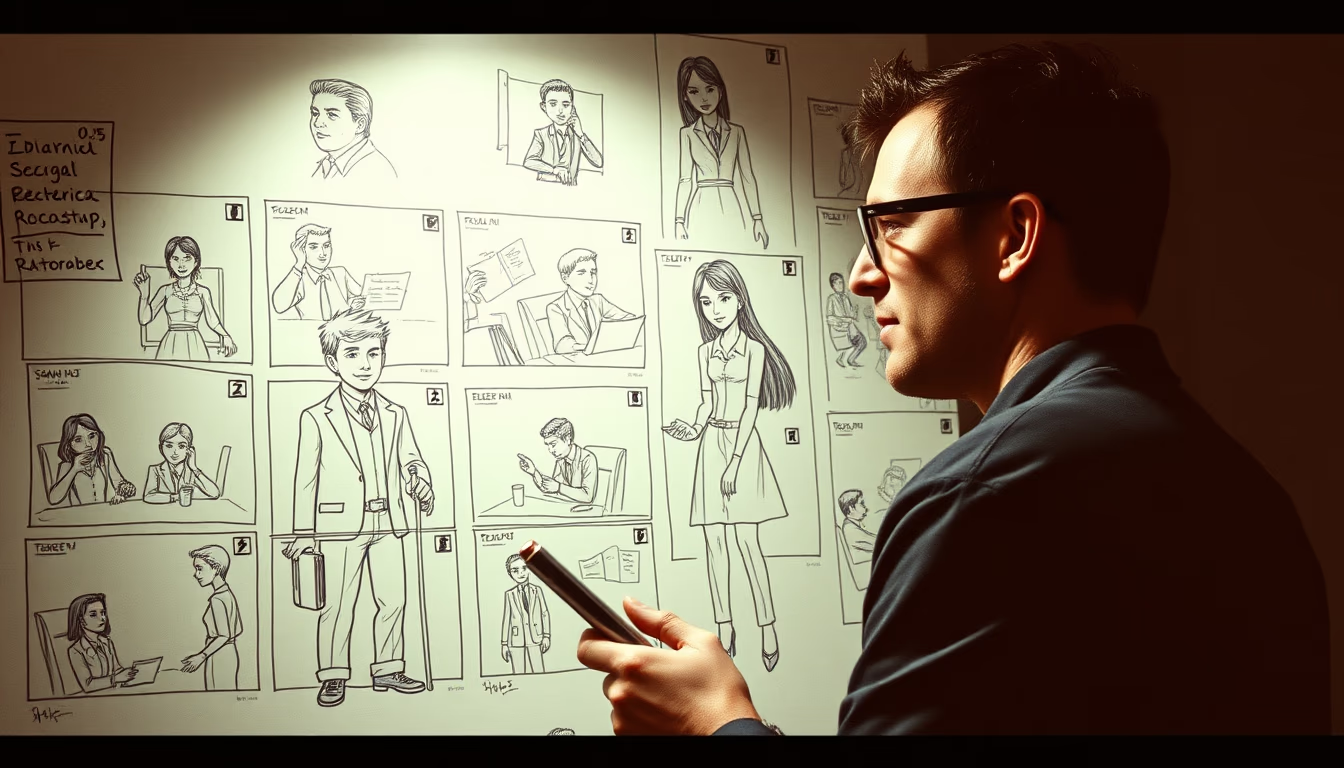
Cell animation paper, the foundation of traditional animation, revolutionized the industry with transparency and scene layering.
About this subject
Cell animation paper, often simply called "cel," was the essential physical medium for traditional animation through much of the 20th century. Unlike ordinary paper, the cel is a transparent sheet, usually made of cellulose acetate, that allowed animators to draw characters and objects over static backgrounds without redrawing them every frame. This technique, known as "cel animation," enabled mass production of animated films, such as classics from Disney, Warner Bros., and Japanese studios.
The origin of the cel dates back to the early 1910s, when studios began using celluloid sheets (a plastic derived from nitrocellulose) to separate animation layers. The process was patented by Earl Hurd in 1914, revolutionizing work efficiency. Each sheet measured approximately 10x12 inches (25x30 cm), with holes on the sides for pegs to ensure perfect alignment between frames. The thickness ranged from 0.005 to 0.02 inches (0.125 to 0.5 mm), thin enough to be translucent but sturdy enough to handle paints and handling.
With the rise of digital animation in the 1990s, the use of physical cels declined sharply. However, they remain prized by collectors and artists seeking the nostalgic aesthetic of classic animation. Original cel artworks, such as those from "Snow White" (1937) or "Woody Woodpecker," are considered high-value items in the art market, fetching millions at auctions. Hybrid techniques also combine cel drawings with digital compositing, keeping the tradition alive.
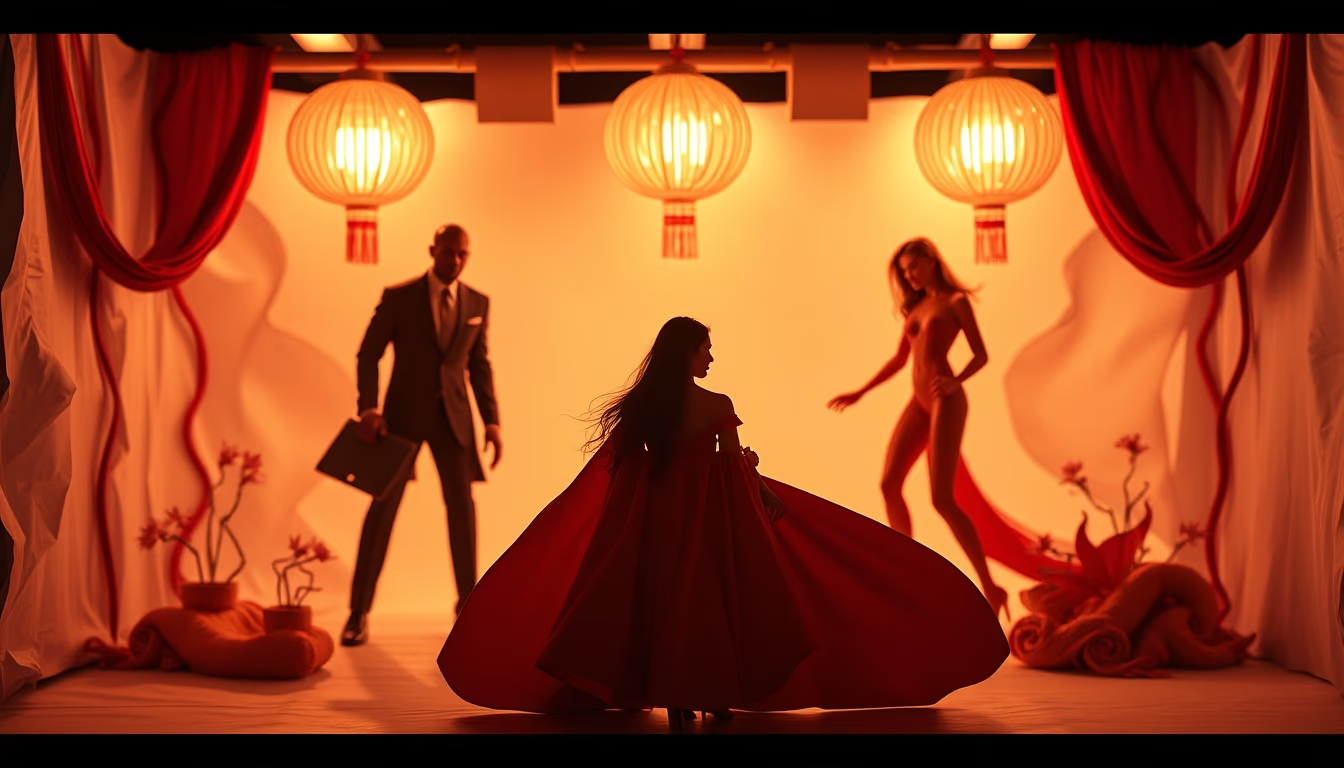
Interestingly, the term "cel" has also entered the editorial fashion world, where photographers create images with translucent overlays that evoke the look of animated frames. This visual reference bridges the artisanal past of animation with contemporary graphic design, highlighting the lasting influence of cell animation paper on global visual culture.
Frequently Asked Questions
What makes cell animation paper different from ordinary paper?
Cell animation paper is transparent, allowing animators to overlay drawings on a fixed background without redrawing it. This streamlines the workflow and enables large-scale production.
How was cel used in classic animation studios?
Animators drew each frame on cel sheets, which were then painted on the reverse side with opaque inks. Each sheet was photographed over a background, frame by frame, to create the illusion of motion.
Is cell animation paper still used today?
Rarely. Digital animation has largely replaced physical cels, but some artists still use them for handcrafted or hybrid works, blending traditional and digital techniques.
Direct URL
https://pub-c7d6a6ea828543ac903a74a341ccb2e1.r2.dev/imagens/cell-animation-paper-high-fashion-editorial-fresh13.avifHow to credit
Include a visible link back to UtilizAí. Copy one of the snippets below:
<a href="https://xn--utiliza-eza.com/en/midia/imagens/cell-animation-paper-high-fashion-editorial-fresh13">Cell animation paper</a> by <a href="https://xn--utiliza-eza.com">UtilizAí</a>, licensed under <a href="https://creativecommons.org/licenses/by/4.0/">CC BY 4.0</a>.
[Cell animation paper](https://xn--utiliza-eza.com/en/midia/imagens/cell-animation-paper-high-fashion-editorial-fresh13) by [UtilizAí](https://xn--utiliza-eza.com), CC BY 4.0
License: CC-BY-4.0