Cave painting lascaux
1344×768 · AVIF · CC BY 4.0
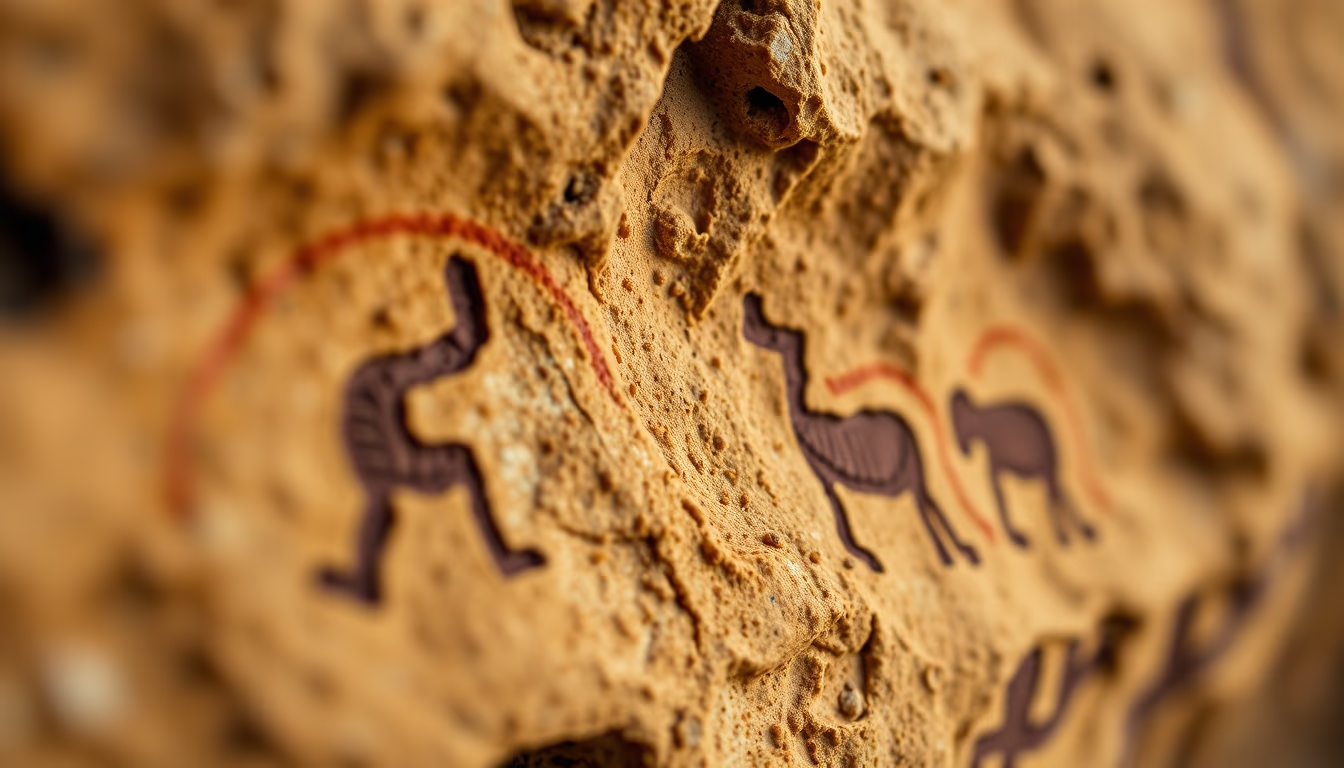
The Lascaux Cave paintings, discovered in 1940, represent one of the most remarkable examples of Paleolithic art in the world, dating back approximately 17,000 years.
About this subject
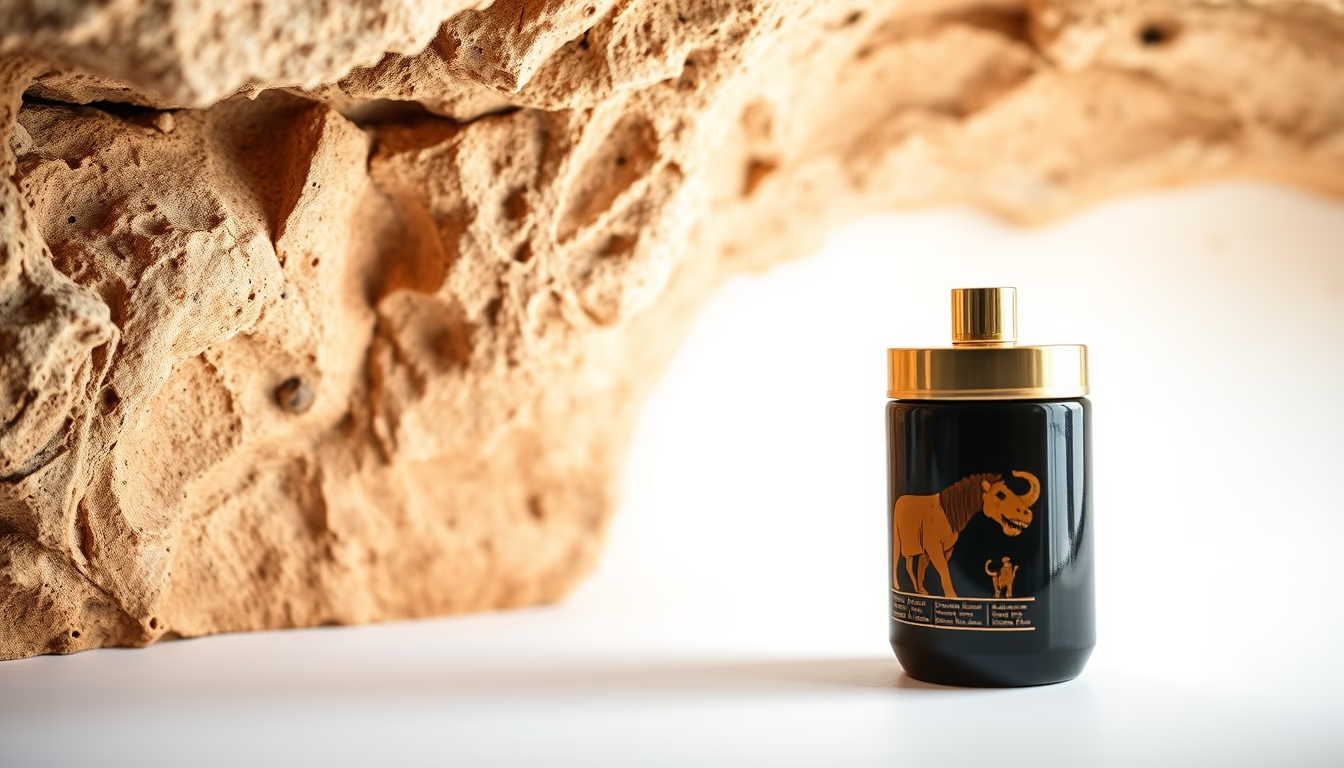
The Lascaux Cave is located in the Vézère Valley in Montignac, Dordogne, France. It was discovered on September 12, 1940, by four teenagers who explored a hole left by a fallen pine tree. The site revealed about 600 paintings and 1,500 engravings dated to the Magdalenian period, between 17,000 and 15,000 BCE. The depictions feature large animals such as bison, horses, aurochs (extinct wild cattle), deer, and ibex, along with abstract signs and geometric patterns.
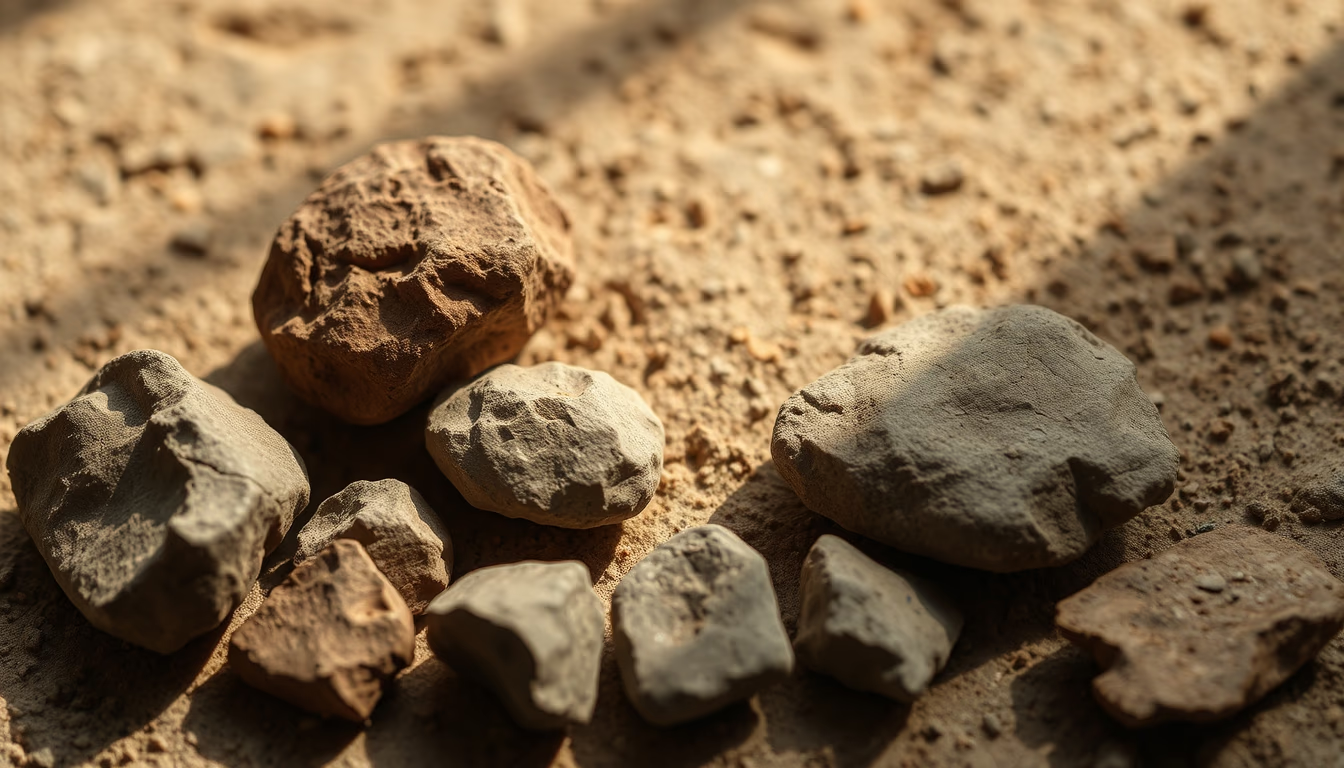
Paleolithic artists used natural mineral pigments like ochre (iron oxide), charcoal, and clays, applied with fingers, brushes made of hair or moss, or blown through hollow bones. They exploited the natural contours and cavities of the rock to create volume and motion, achieving a three-dimensional effect. The ‘blown’ technique, or primitive airbrush, is a distinctive feature of Lascaux, visible in diffuse outlines and shading.
The meaning of these paintings is still debated. The most accepted hypothesis links them to shamanic rituals or hunting magic, serving as symbolic records of spiritual or pedagogical experiences. Rare human figures, such as the famous ‘Bird Man’ with a bison head and a wound, suggest complex narratives. Lascaux is often called the ‘Sistine Chapel of Prehistory’ and was declared a UNESCO World Heritage site in 1979.
Due to deterioration from visitors’ breath, fungi, and carbon dioxide, the original cave was closed to the public in 1963. However, meticulous replicas such as Lascaux II (opened in 1983) and Lascaux IV (International Center for Cave Art, 2016) provide an immersive and educational experience. Digital preservation and ongoing research keep the site a global reference for archaeology and art history.
Frequently Asked Questions
When were the Lascaux Cave paintings discovered?
They were discovered on September 12, 1940, by four teenagers exploring a hole in the ground near Montignac, France.
Why was the original Lascaux Cave closed to the public?
It was closed in 1963 because visitors' breath, fungi, and carbon dioxide were damaging the paintings. Currently, only authorized researchers have access.
What is the significance of the Lascaux paintings for archaeology?
They represent one of the most complete and well-preserved examples of Paleolithic art, providing insights into the beliefs, techniques, and social life of Magdalenian humans.
Direct URL
https://pub-c7d6a6ea828543ac903a74a341ccb2e1.r2.dev/imagens/cave-painting-lascaux-macro-closeup-p7.avifHow to credit
Include a visible link back to UtilizAí. Copy one of the snippets below:
<a href="https://xn--utiliza-eza.com/en/midia/imagens/cave-painting-lascaux-macro-closeup-p7">Cave painting lascaux</a> by <a href="https://xn--utiliza-eza.com">UtilizAí</a>, licensed under <a href="https://creativecommons.org/licenses/by/4.0/">CC BY 4.0</a>.
[Cave painting lascaux](https://xn--utiliza-eza.com/en/midia/imagens/cave-painting-lascaux-macro-closeup-p7) by [UtilizAí](https://xn--utiliza-eza.com), CC BY 4.0
License: CC-BY-4.0