Cave house cappadocia
1344×768 · AVIF · CC BY 4.0
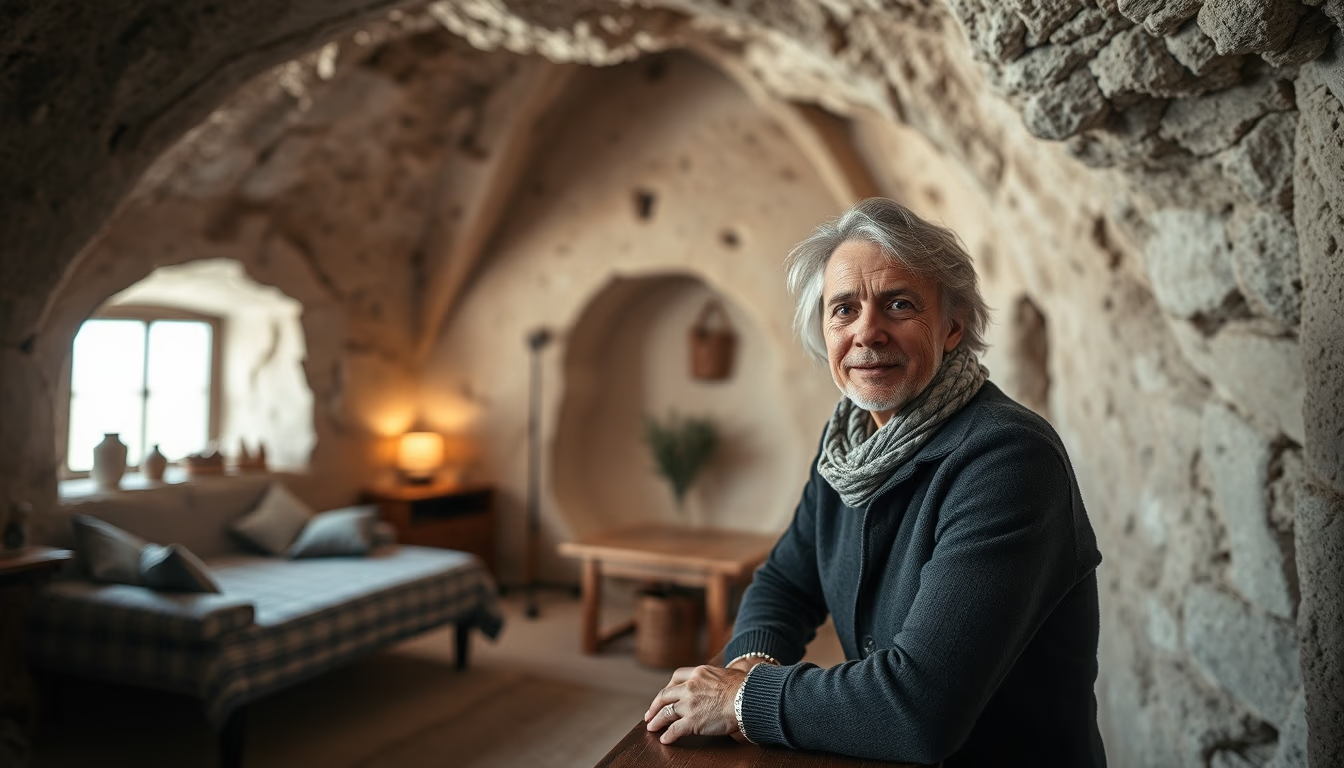
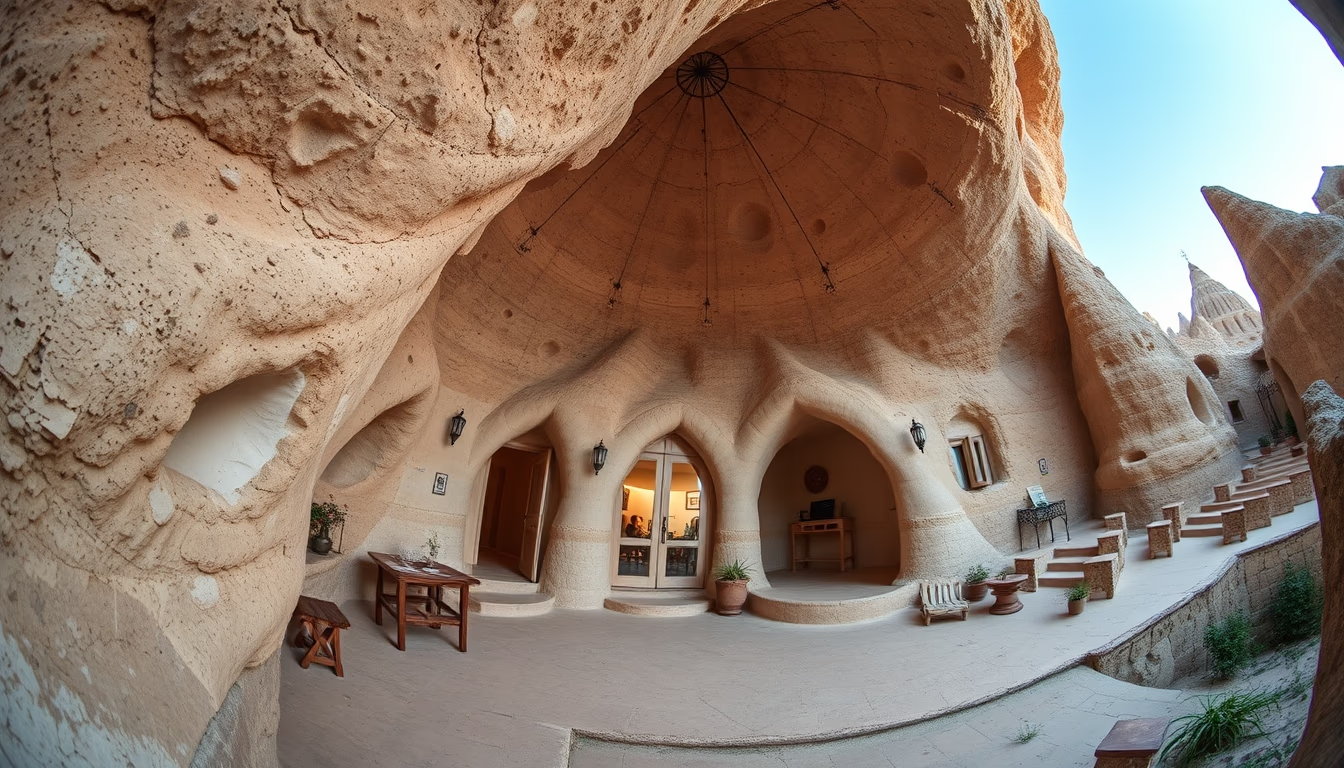
Cappadocia cave houses combine ancient rock-hewn dwellings with modern design and sustainable tourism.
About this subject
In the Cappadocia region of central Turkey, the so-called cave houses are dwellings carved into the volcanic tuff formations that characterize the landscape. These shelters date back to ancient times, when local communities sought protection from invaders and extreme weather. The volcanic rock is soft enough to be carved with simple tools but hardens upon contact with air, ensuring durability. The caves include rooms, kitchens, granaries, and even churches, such as those in the Göreme Open Air Museum, a UNESCO World Heritage site.
Constructing these homes required geological and architectural knowledge, involving the opening of tunnels and chambers that maintain a stable internal temperature between 10°C and 15°C year-round. Many houses have ventilation systems and wells, and some were connected by underground passages forming entire cities, such as Derinkuyu, which could shelter thousands of people. The carving technique was perfected over centuries, especially during Byzantine and Ottoman periods.
Today, many of these structures have been adapted for modern use, becoming boutique hotels, restaurants, and private residences. The restoration respects original features while integrating contemporary amenities. Tourism in the region has grown significantly, making Cappadocia a world-famous destination for hot air balloons and lunar landscapes.
Interestingly, some families still live in cave houses, preserving age-old traditions. Others have been abandoned and are being restored for cultural purposes. The blend of history, architecture, and sustainability makes these dwellings an example of harmonious coexistence between humans and the natural environment.
Frequently Asked Questions
How were the cave houses in Cappadocia built?
They were manually carved into the volcanic tuff, a soft rock, using tools like pickaxes and hammers. The process created rooms, tunnels, and ventilation systems, with the rock hardening upon exposure to air.
What is the internal temperature of a cave house?
The internal temperature remains between 10°C and 15°C year-round, thanks to the natural insulation of the rock, providing coolness in summer and warmth in winter.
Where are the main cave houses in Cappadocia located?
They are concentrated in the Göreme, Ürgüp, Avanos, and Uçhisar areas, notably in the Göreme National Park and the underground cities of Derinkuyu and Kaymaklı.
Direct URL
https://pub-c7d6a6ea828543ac903a74a341ccb2e1.r2.dev/imagens/cave-house-cappadocia-studio-editorial-portrait-fresh2.avifHow to credit
Include a visible link back to UtilizAí. Copy one of the snippets below:
<a href="https://xn--utiliza-eza.com/en/midia/imagens/cave-house-cappadocia-studio-editorial-portrait-fresh2">Cave house cappadocia</a> by <a href="https://xn--utiliza-eza.com">UtilizAí</a>, licensed under <a href="https://creativecommons.org/licenses/by/4.0/">CC BY 4.0</a>.
[Cave house cappadocia](https://xn--utiliza-eza.com/en/midia/imagens/cave-house-cappadocia-studio-editorial-portrait-fresh2) by [UtilizAí](https://xn--utiliza-eza.com), CC BY 4.0
License: CC-BY-4.0