Cave house cappadocia
1344×768 · AVIF · CC BY 4.0
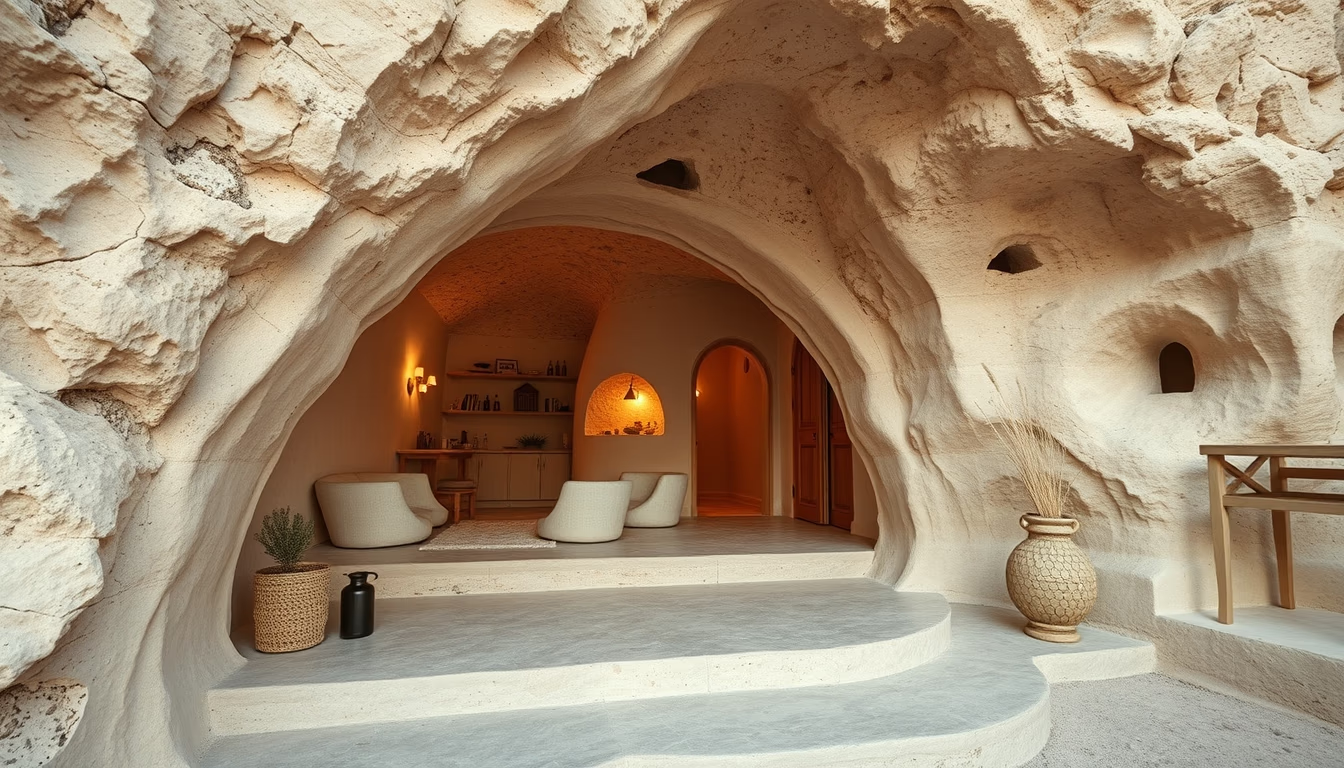
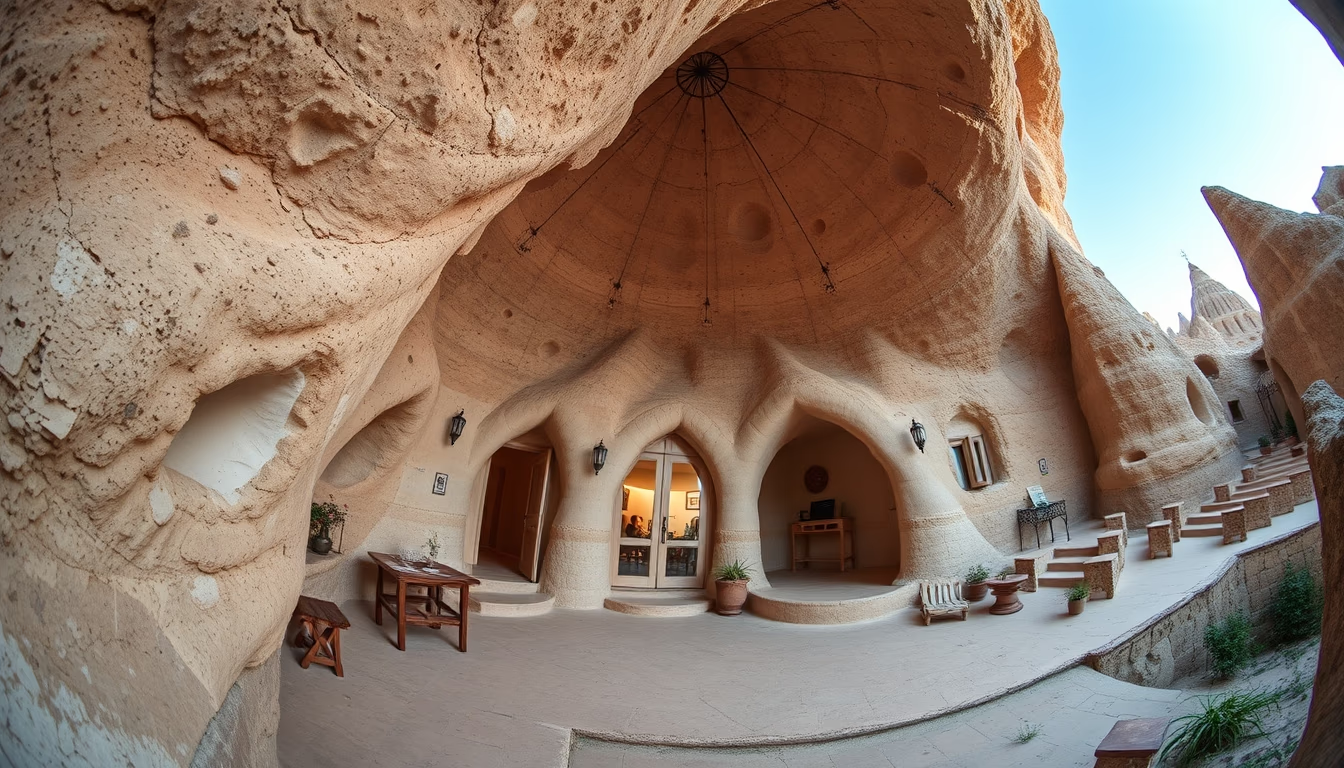
Cappadocia cave houses, carved into volcanic tuff, shelter dwellings and Byzantine churches in a lunar landscape.
About this subject
The cave houses of Cappadocia, in central Turkey, represent a singular human adaptation to the natural environment. The region is formed by a thick layer of volcanic tuff, a soft and porous rock deposited by eruptions of Mount Erciyes, Hasan and Melendiz millions of years ago. Wind and water action carved valleys and fairy chimneys, where harder caprock protects the softer base. Since antiquity, locals have carved these formations to create dwellings, temples and even underground cities, taking advantage of easy excavation and natural thermal insulation.
During the Byzantine period, especially between the 4th and 10th centuries, Cappadocia became a refuge for Christian communities fleeing persecution and invasions. In these caves, numerous rock-cut churches were opened, adorned with remarkable frescoes, such as those in Göreme Valley and the Göreme Open Air Museum, declared a UNESCO World Heritage Site in 1985. These religious spaces display biblical scenes and saints, preserved in a dry microclimate. The region also houses entire underground cities, such as Derinkuyu and Kaymaklı, with multiple levels that could shelter thousands of people, complete with ventilation shafts, wells and chapels.
Today, many original cave houses have been restored into boutique hotels, inns and luxury residences, attracting tourists from around the world. The experience of sleeping in a rock-carved room, with stone walls and stable temperature, has become a major draw. Besides tourism, some caves continue to be used as warehouses, stables or carpet workshops. The troglodyte architecture of Cappadocia is an example of how human ingenuity can harmonize habitation with the environment, resulting in a unique cultural and geological heritage.
Frequently Asked Questions
How were the cave houses of Cappadocia formed?
They were manually carved into volcanic tuff, a soft rock formed from ancient ash deposits. Natural erosion created fairy chimneys, which inhabitants shaped into dwellings and churches over centuries.
Are these houses still inhabited today?
Yes, many have been restored into boutique hotels and private residences. Some still serve traditional purposes like storage or stables, but tourism has driven adaptation for accommodation.
What is the historical significance of Cappadocia's caves?
They served as a refuge for early Christians and house Byzantine churches with preserved frescoes. Underground cities like Derinkuyu are stunning examples of defensive engineering and subterranean urban planning.
Direct URL
https://pub-c7d6a6ea828543ac903a74a341ccb2e1.r2.dev/imagens/cave-house-cappadocia-magazine-editorial-fresh7.avifHow to credit
Include a visible link back to UtilizAí. Copy one of the snippets below:
<a href="https://xn--utiliza-eza.com/en/midia/imagens/cave-house-cappadocia-magazine-editorial-fresh7">Cave house cappadocia</a> by <a href="https://xn--utiliza-eza.com">UtilizAí</a>, licensed under <a href="https://creativecommons.org/licenses/by/4.0/">CC BY 4.0</a>.
[Cave house cappadocia](https://xn--utiliza-eza.com/en/midia/imagens/cave-house-cappadocia-magazine-editorial-fresh7) by [UtilizAí](https://xn--utiliza-eza.com), CC BY 4.0
License: CC-BY-4.0