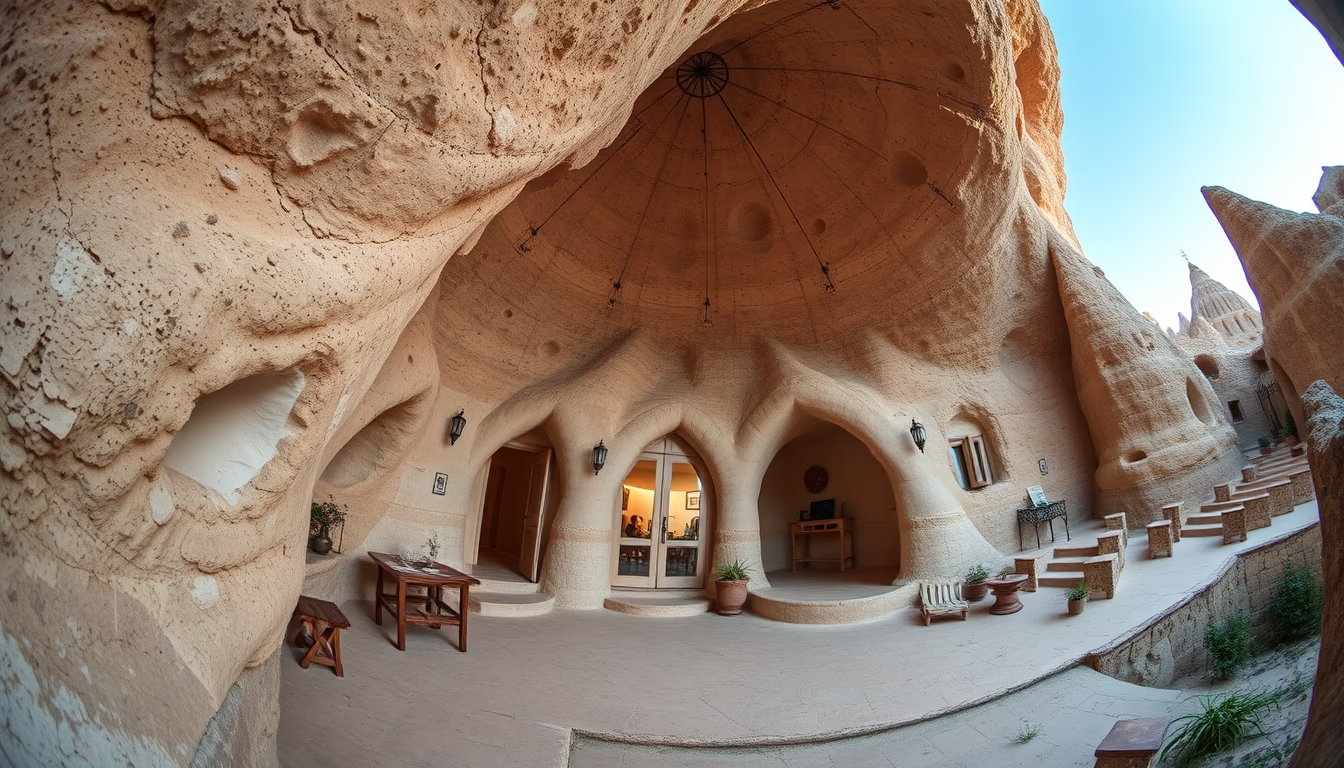
Cave house cappadocia
1344×768 · AVIF · CC BY 4.0
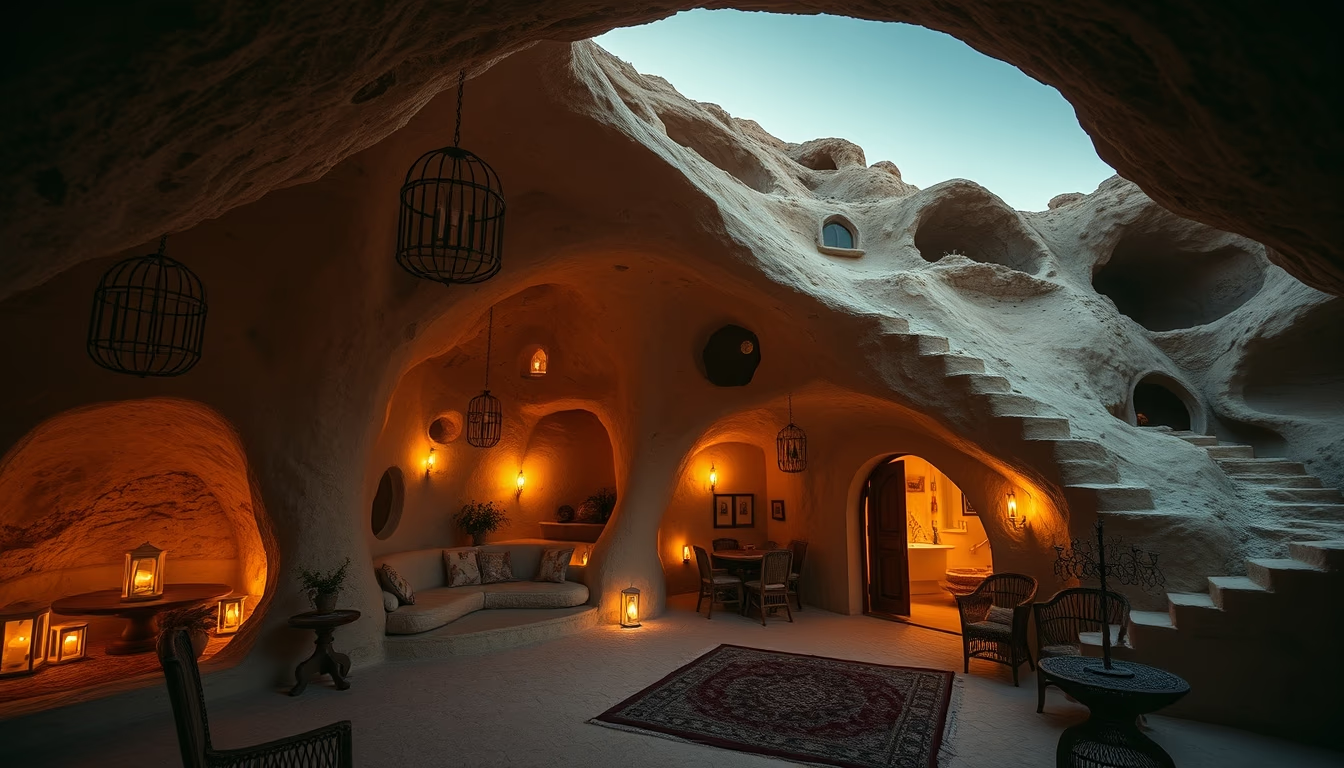
Cappadocia cave houses combine millennia-old rock-hewn architecture with modern comfort, making them one of the world's most unique tourist destinations.
About this subject
The cave houses of Cappadocia, in central Turkey, are millennia-old excavations in soft volcanic rock (tuff). Formed by wind erosion and volcanism, these troglodyte dwellings date back to Hittite, Persian, and Byzantine periods, housing families, churches, and monasteries. The Goreme region and its valleys contain hundreds of carved homes, many with interconnected rooms and tunnels.
During the Byzantine era, persecuted Christians carved rock-cut churches with stunning frescoes, such as the Goreme Open Air Museum. The rock is thermally insulating, maintaining mild temperatures in both summer and winter, a clever adaptation to the semi-arid steppe climate. Today, many caves have been converted into boutique "cave hotels," preserving the original structure while offering fireplaces, jacuzzis, and rustic decor.
The unique geology and history earned Cappadocia UNESCO World Heritage status in 1985. Visiting a cave house means immersing in a lifestyle that endured empires and civilizations, with views of the famous fairy chimneys and hot air balloons at dawn. Remarkably, these dwellings are so resilient that some communities have inhabited them for centuries, featuring natural ventilation systems and rainwater harvesting.
Frequently Asked Questions
How were the cave houses of Cappadocia formed?
They were manually carved into soft volcanic rock (tuff) over millennia, taking advantage of natural erosion that created valleys and fairy chimneys. The rock is easy to carve but hardens upon exposure to air.
Can you stay overnight in a cave house?
Yes, dozens of boutique hotels offer rooms in authentic caves, with modern amenities such as fireplaces and jacuzzis, preserving the rustic atmosphere and natural thermal insulation.
What is the historical significance of these dwellings?
They were used as homes, churches, and refuges by Hittites, Persians, Byzantines, and persecuted Christians. Many rock-cut churches contain important Byzantine frescoes, part of the UNESCO World Heritage site.
Direct URL
https://pub-c7d6a6ea828543ac903a74a341ccb2e1.r2.dev/imagens/cave-house-cappadocia-high-fashion-editorial-fresh10.avifHow to credit
Include a visible link back to UtilizAí. Copy one of the snippets below:
<a href="https://xn--utiliza-eza.com/en/midia/imagens/cave-house-cappadocia-high-fashion-editorial-fresh10">Cave house cappadocia</a> by <a href="https://xn--utiliza-eza.com">UtilizAí</a>, licensed under <a href="https://creativecommons.org/licenses/by/4.0/">CC BY 4.0</a>.
[Cave house cappadocia](https://xn--utiliza-eza.com/en/midia/imagens/cave-house-cappadocia-high-fashion-editorial-fresh10) by [UtilizAí](https://xn--utiliza-eza.com), CC BY 4.0
License: CC-BY-4.0