Cave house cappadocia
1344×768 · AVIF · CC BY 4.0
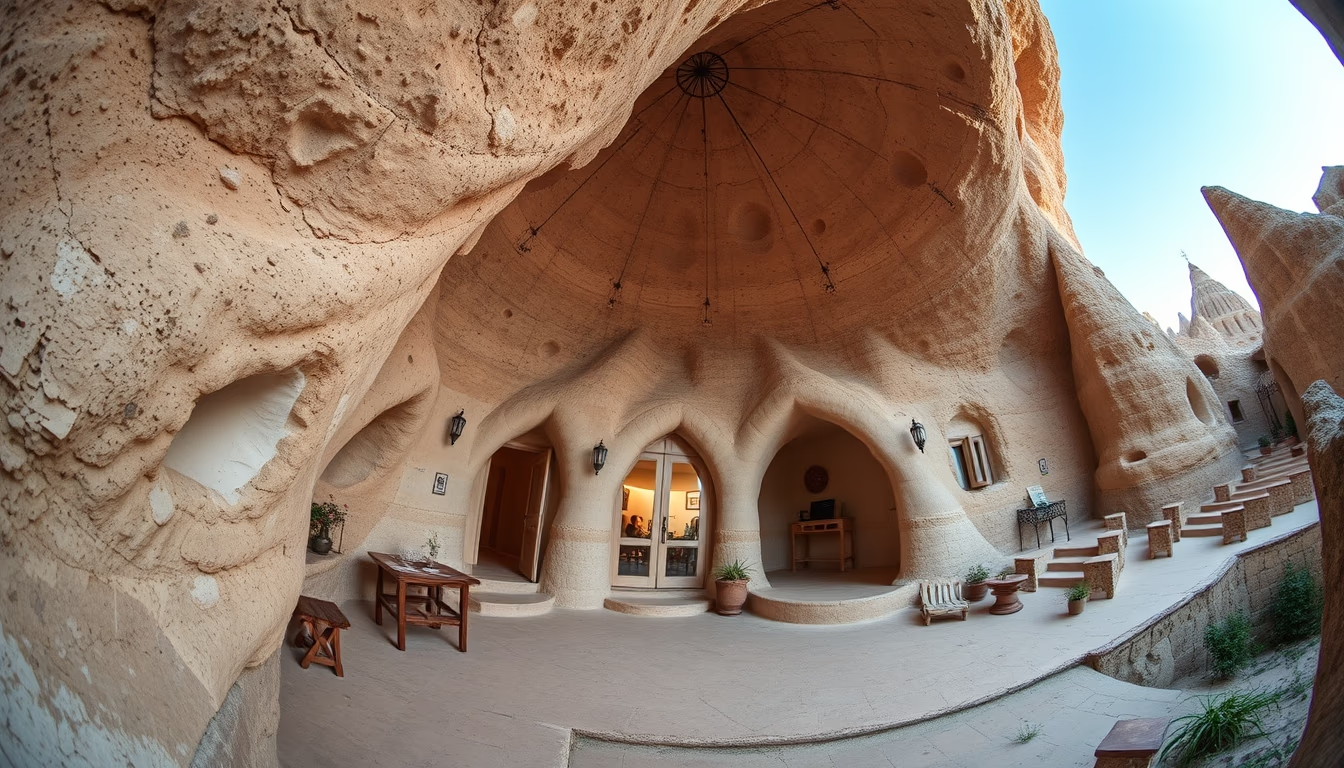
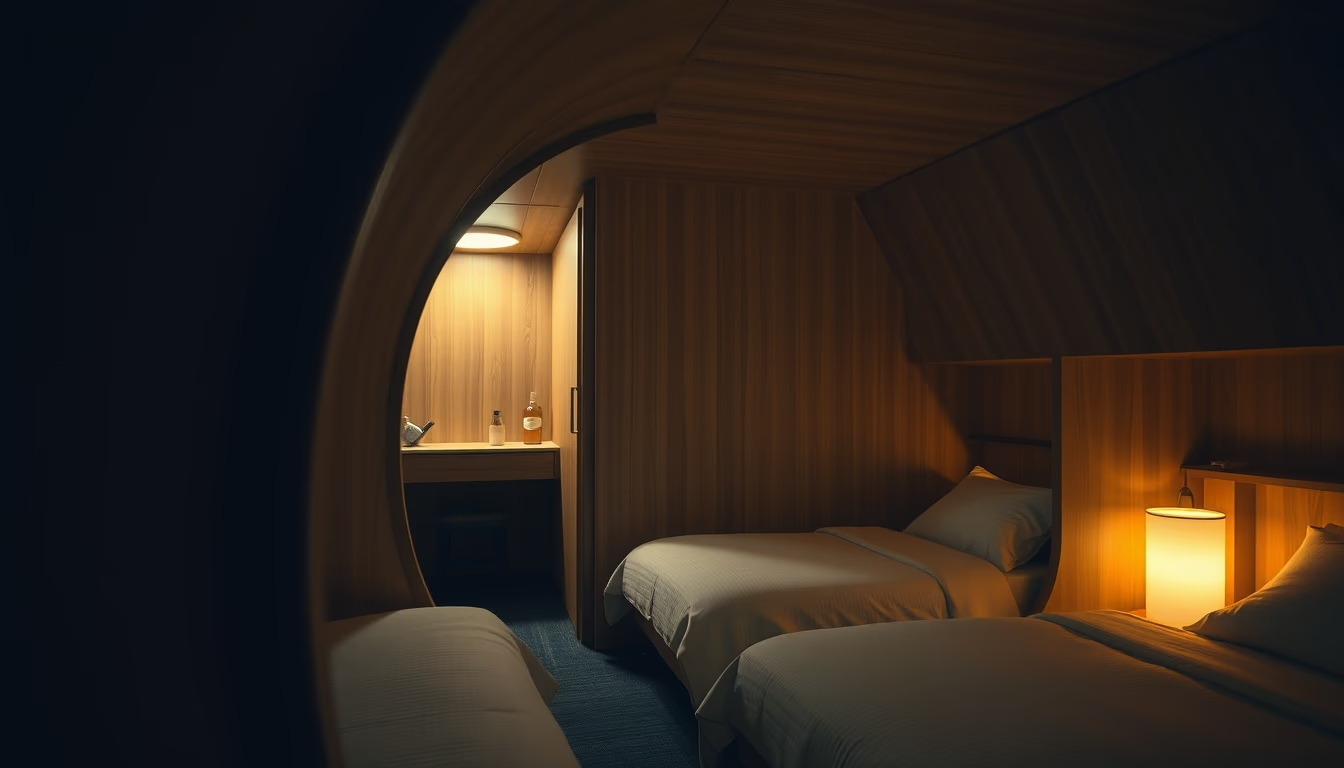
Cave houses of Cappadocia, carved into volcanic rock, provide dwelling and millennia-old history in central Turkey.
About this subject
The cave houses of Cappadocia are among the world's most fascinating troglodyte dwellings. Located in Central Anatolia, Turkey, these homes are carved directly into volcanic tuff, a soft rock formed from ancient ash and debris. Millions of years of wind and water erosion created unique valleys and rock formations, where entire communities excavated residences, churches, and even underground cities.
Human occupation dates back to the Bronze Age, but it was during the Byzantine period that the region became a refuge for Christians fleeing persecution. They built complex tunnel systems and rooms in sites like Derinkuyu and Kaymakli, which could house thousands with food storage, wineries, and chapels. Many cavities are interconnected, forming true underground networks up to eight stories deep.
Culturally, Cappadocia has been a UNESCO World Heritage Site since 1985. Traditional cave houses with wooden doors and simple facades contrast with the luxury cave hotels now offering themed stays. The stable interior temperature (around 15°C) and acoustic insulation are natural advantages. Additionally, the rock walls preserve Byzantine frescoes in churches like Göreme, depicting biblical scenes in vivid colors.
Interestingly, Cappadocia is also famous for its sunrise balloon rides, providing panoramic views of fairy chimneys and hundreds of cave openings. Human adaptation to this environment has shaped both the landscape and the local economy, now dependent on tourism. Many families still live in modernized caves, keeping alive a tradition that combines sustainability, history, and vernacular architecture.
Frequently Asked Questions
Are the cave houses of Cappadocia still inhabited today?
Yes, many cave houses have been restored and are used as residences, hotels, and inns. They offer modern comfort with natural thermal insulation while preserving historic aesthetics.
How were the cave houses carved into the rock?
They were excavated manually using simple tools like picks and hammers. The volcanic tuff is soft when exposed but hardens on contact with air, ensuring stability.
What is the importance of the underground cities in Cappadocia?
Cities like Derinkuyu and Kaymakli served as safe shelters during invasions, with ventilation systems, wells, and rolling stone doors. They could house thousands of people for months.
Direct URL
https://pub-c7d6a6ea828543ac903a74a341ccb2e1.r2.dev/imagens/cave-house-cappadocia-fish-eye-wide-angle-fresh17.avifHow to credit
Include a visible link back to UtilizAí. Copy one of the snippets below:
<a href="https://xn--utiliza-eza.com/en/midia/imagens/cave-house-cappadocia-fish-eye-wide-angle-fresh17">Cave house cappadocia</a> by <a href="https://xn--utiliza-eza.com">UtilizAí</a>, licensed under <a href="https://creativecommons.org/licenses/by/4.0/">CC BY 4.0</a>.
[Cave house cappadocia](https://xn--utiliza-eza.com/en/midia/imagens/cave-house-cappadocia-fish-eye-wide-angle-fresh17) by [UtilizAí](https://xn--utiliza-eza.com), CC BY 4.0
License: CC-BY-4.0