Cave house cappadocia
1344×768 · AVIF · CC BY 4.0
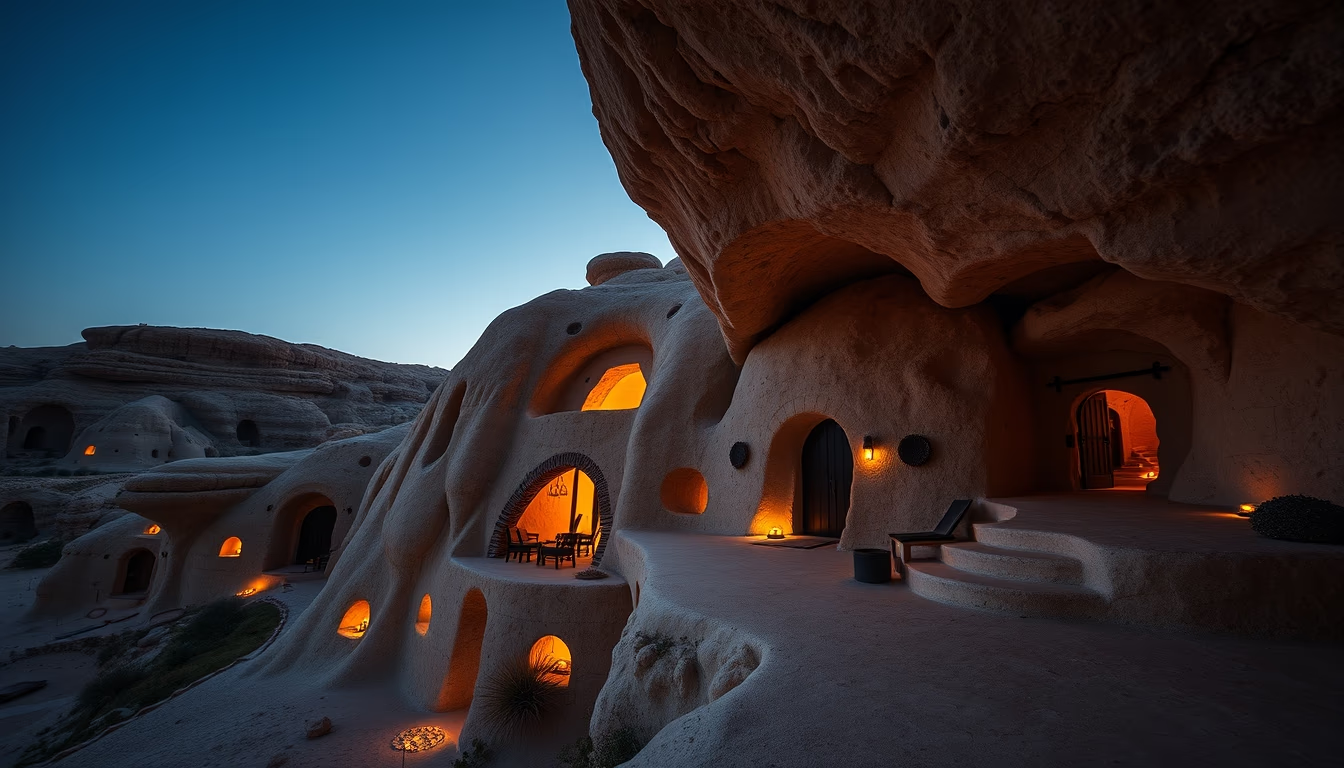
The cave houses of Cappadocia, carved into volcanic rock, stand as a testament to human ingenuity and adaptation to the arid environment of central Anatolia.
About this subject
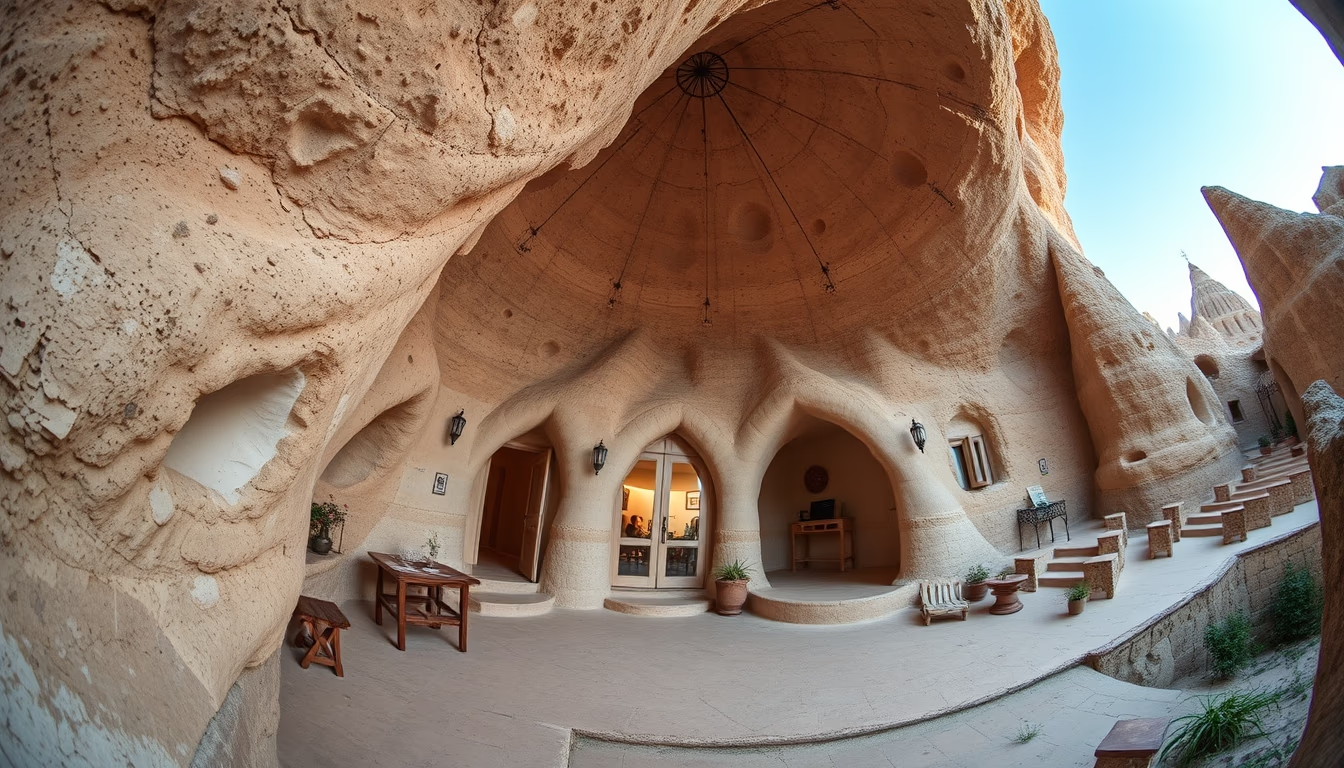
Cappadocia, located in central Turkey, is famous for its unique rock formations known as 'fairy chimneys'. These structures were formed by volcanic eruptions that covered the region with ash and tuff, a soft rock that erosion has sculpted over millions of years. Local inhabitants carved these rocks to create houses, churches, and even underground cities, taking advantage of the ease of carving and natural thermal insulation.
Historically, the region has been inhabited since the Hittite period, but it was during the Byzantine Empire that cave houses proliferated. Persecuted Christians sought refuge here, building churches with impressive frescoes, such as those in Göreme and the Zelve Open Air Museum. During the Ottoman period, caves continued to be used as stable dwellings, and some families lived in them until the 20th century.
Today, Cappadocia is a UNESCO World Heritage site and one of Turkey's most popular tourist destinations. Many cave houses have been converted into boutique hotels, offering an authentic experience with modern comfort. Visitors can also explore underground cities like Derinkuyu, which reaches depths of 60 meters and once housed up to 20,000 people. Additionally, hot air balloon rides at dawn provide spectacular views of the formations, boosting local tourism.
Cave houses are an example of organic and sustainable architecture, seamlessly integrated into the landscape. Tuff rock provides thermal insulation, keeping interiors cool in summer and warm in winter. It is estimated that there are over 200 carved churches in the region, many with frescoes dating from the 10th century. Preservation of these structures faces challenges from natural erosion and increased tourism, but conservation efforts continue to protect this unique heritage.
Frequently Asked Questions
How old are the cave houses of Cappadocia?
The earliest excavations date back to the Hittite period around 1800 BCE, but most dwellings and churches were carved between the 4th and 11th centuries CE.
How were the cave houses built?
They were manually carved into the tuff rock using simple tools like pickaxes and hammers. The process was slow and required knowledge of the rock structure to prevent collapses.
Are the cave houses still inhabited today?
Yes, many have been modernized and converted into hotels or private residences. Some local families still live in traditional caves, adapted with electricity and plumbing.
Direct URL
https://pub-c7d6a6ea828543ac903a74a341ccb2e1.r2.dev/imagens/cave-house-cappadocia-fine-art-photography-fresh6.avifHow to credit
Include a visible link back to UtilizAí. Copy one of the snippets below:
<a href="https://xn--utiliza-eza.com/en/midia/imagens/cave-house-cappadocia-fine-art-photography-fresh6">Cave house cappadocia</a> by <a href="https://xn--utiliza-eza.com">UtilizAí</a>, licensed under <a href="https://creativecommons.org/licenses/by/4.0/">CC BY 4.0</a>.
[Cave house cappadocia](https://xn--utiliza-eza.com/en/midia/imagens/cave-house-cappadocia-fine-art-photography-fresh6) by [UtilizAí](https://xn--utiliza-eza.com), CC BY 4.0
License: CC-BY-4.0