Cave house cappadocia
1344×768 · AVIF · CC BY 4.0
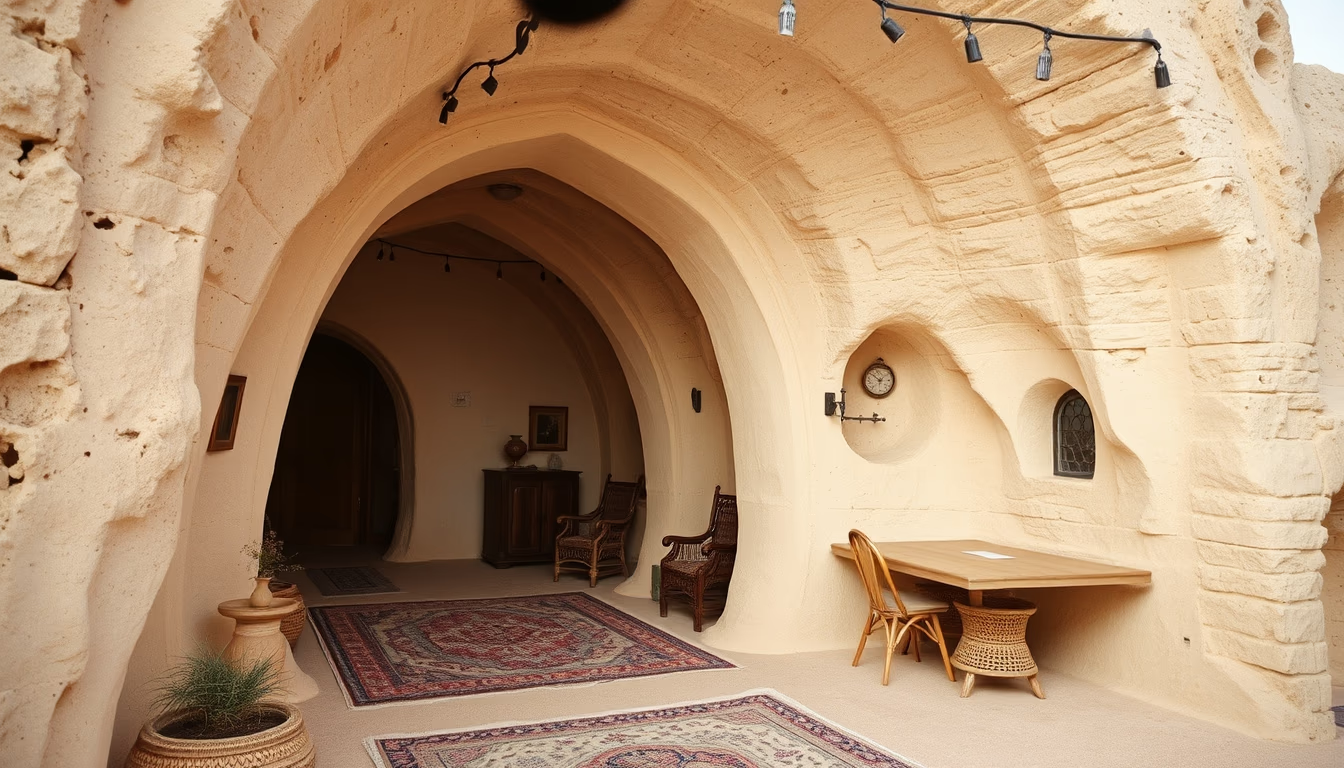
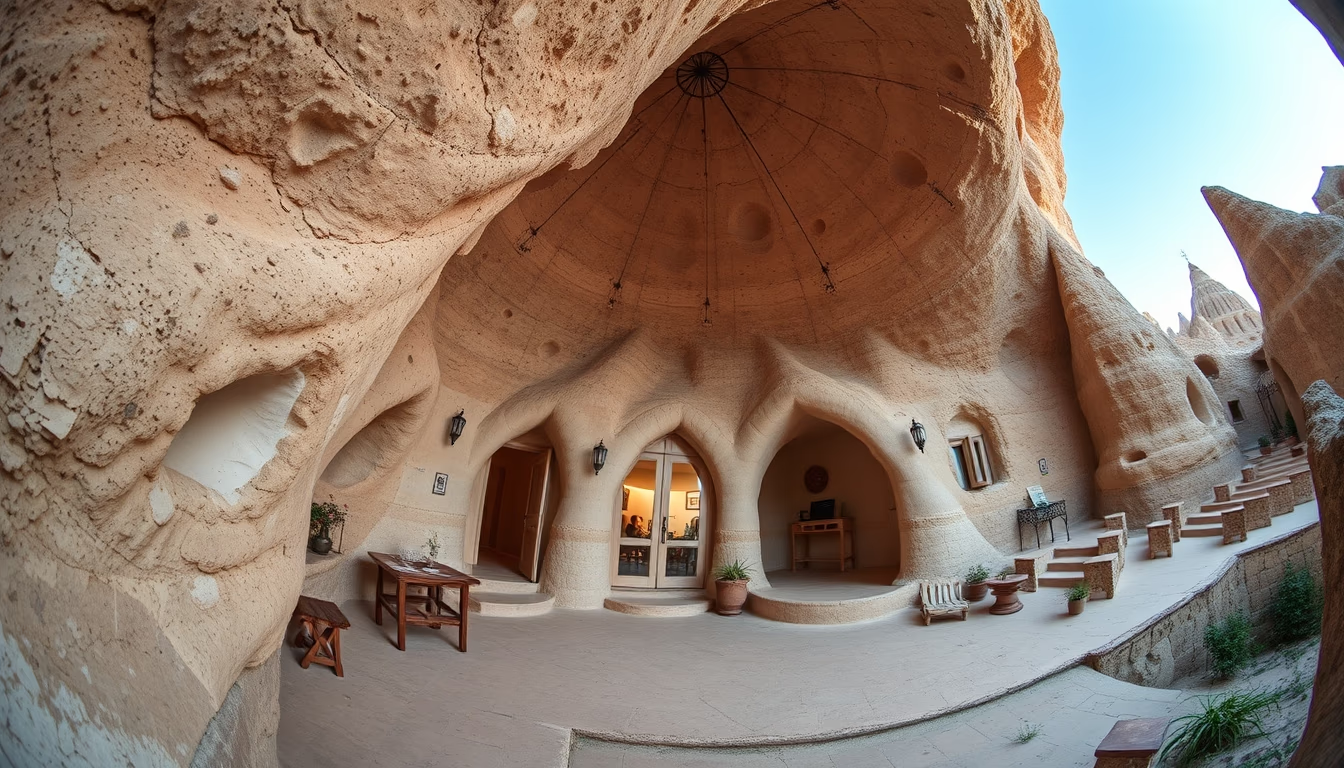
The cave houses of Cappadocia, carved into volcanic rock, form one of the world's most unique architectural heritages.
About this subject
Cappadocia, located in central Anatolia, Turkey, is globally renowned for its volcanic tuff rock formations, carved over millennia by erosion and human activity. The cave houses, or rock-cut dwellings, originate from a tradition dating back to the Hittite period around 1800 BCE, continuing through Phrygian, Persian, Greek, Roman, and Byzantine civilizations. These homes were excavated directly into the soft rock, providing natural thermal insulation, cool in summer and warm in winter, as well as protection from invaders. Many caves were connected by underground tunnels, forming complete subterranean cities like Derinkuyu and Kaymaklı, which could house thousands of people with ventilation systems, water storage, and even chapels. Troglodyte architecture was not limited to residences: it included churches decorated with frescoes, monasteries, granaries, and stables, reflecting daily and religious life across eras. Today, many of these cavities have been converted into boutique hotels, museums, and tourist attractions, offering an immersive historical experience. Preservation faces challenges from natural erosion and mass tourism, but the region has been a UNESCO World Heritage Site since 1985. Local cuisine, sunrise hot-air balloon rides, and valley hikes complement the visit, making Cappadocia an iconic destination for history, geology, and culture enthusiasts.
Frequently Asked Questions
How were the cave houses of Cappadocia built?
They were manually excavated from volcanic tuff, a soft porous rock, using simple tools like pickaxes and hammers. The process required geological and architectural knowledge to ensure stability and functionality.
What is the historical significance of Cappadocia's underground cities?
Cities like Derinkuyu and Kaymaklı served as safe refuges during invasions and religious persecutions, particularly in Roman and Byzantine times. They featured ventilation systems, wells, storage rooms, and chapels, showing sophisticated urban planning.
Do people still live in cave houses in Cappadocia today?
Yes, some local communities still inhabit these structures adapted with modern amenities. Many have been converted into hotels and guesthouses, offering an authentic experience to tourists while preserving original features.
Direct URL
https://pub-c7d6a6ea828543ac903a74a341ccb2e1.r2.dev/imagens/cave-house-cappadocia-film-grain-authentic-fresh12.avifHow to credit
Include a visible link back to UtilizAí. Copy one of the snippets below:
<a href="https://xn--utiliza-eza.com/en/midia/imagens/cave-house-cappadocia-film-grain-authentic-fresh12">Cave house cappadocia</a> by <a href="https://xn--utiliza-eza.com">UtilizAí</a>, licensed under <a href="https://creativecommons.org/licenses/by/4.0/">CC BY 4.0</a>.
[Cave house cappadocia](https://xn--utiliza-eza.com/en/midia/imagens/cave-house-cappadocia-film-grain-authentic-fresh12) by [UtilizAí](https://xn--utiliza-eza.com), CC BY 4.0
License: CC-BY-4.0