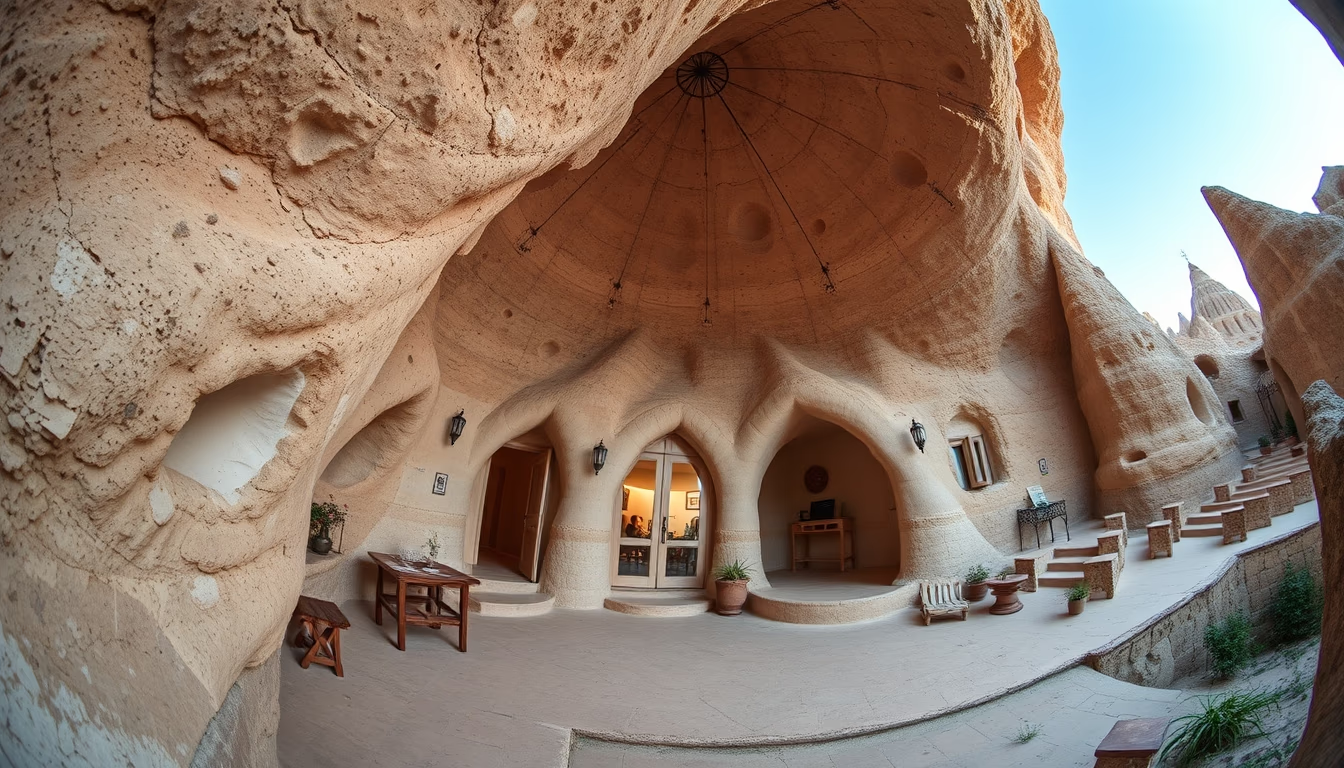
Cave house cappadocia
1344×768 · AVIF · CC BY 4.0
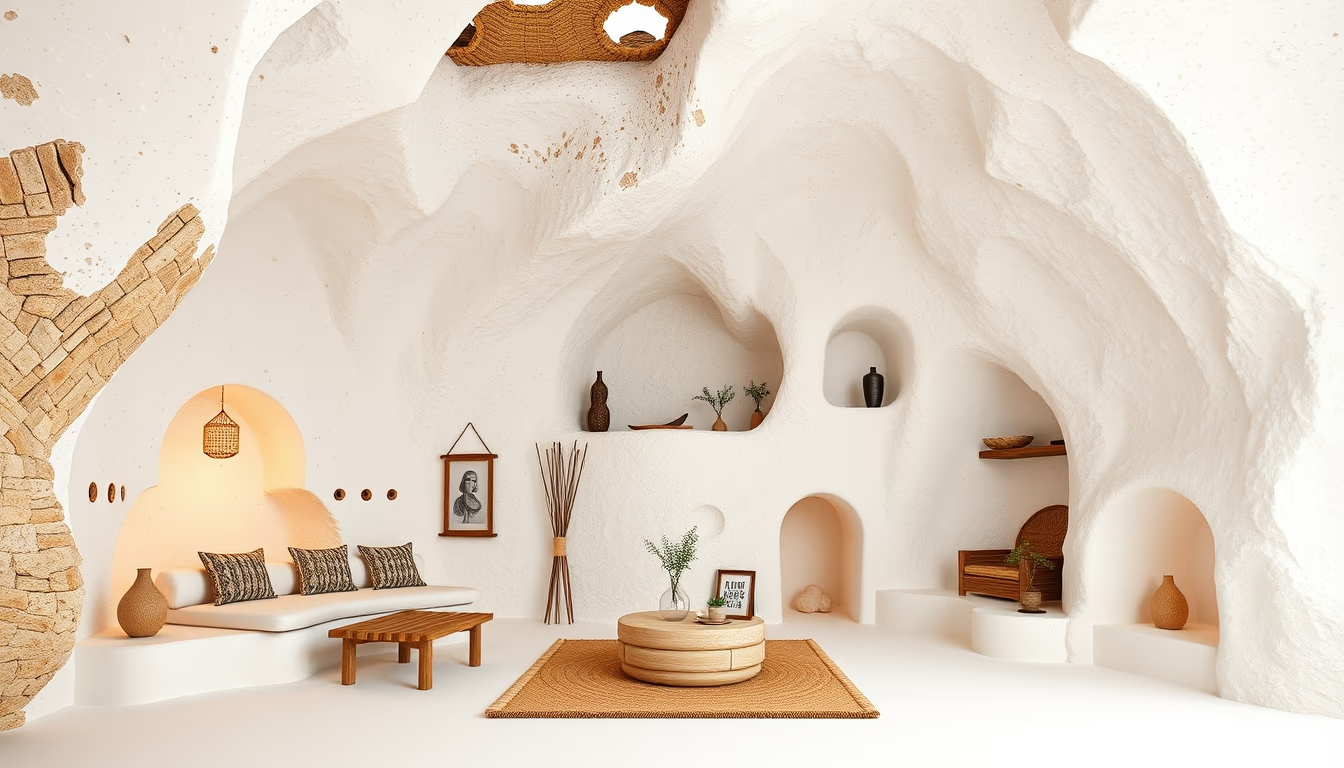
The cave houses of Cappadocia, carved into volcanic rock for millennia, represent a unique example of troglodyte architecture and sustainable dwelling.
About this subject
Cappadocia, in central Turkey, is world-famous for its volcanic tuff formations, cones, pinnacles, and fairy chimneys, sculpted by erosion over millions of years. Since at least the Hittite period (18th century BC), inhabitants have carved these soft rocks to create dwellings, temples, and entire underground cities. Cave houses, or troglodyte dwellings, are the most visible expression of this tradition: rooms dug directly into the rock, with doors, windows, fireplaces, and niches, forming comfortable homes that maintain a mild temperature year-round.
During the Byzantine era, especially between the 4th and 11th centuries, Cappadocia became a major religious center, with rock-cut monasteries and churches adorned with remarkable frescoes. Many caves were expanded to serve as homes, and the style persisted over centuries, adapting to each era's needs. Today, tens of thousands of people still live in cave houses, and with the rise of tourism, many have been converted into boutique hotels, restaurants, and shops. UNESCO recognized Göreme National Park and the rock sites of Cappadocia as a World Heritage Site in 1985.
An interesting fact: volcanic tuff is porous and light, easy to carve, but hardens when exposed to air, making structures surprisingly durable. Cave houses provide natural thermal insulation, cool in summer, warm in winter, and even offer protection against earthquakes, common in the region. The carving technique allowed for complex ventilation systems and tunnels connecting different levels, as seen in the famous underground cities of Derinkuyu and Kaymaklı, which could shelter up to 20,000 people.
Cappadocia's troglodyte architecture has influenced modern design, studied by architects and engineers as an example of environmentally integrated housing. However, conservation faces challenges: natural erosion and tourism pressure require constant care. Local and international initiatives aim to preserve not only the houses but also the traditional knowledge of carving and maintenance, passed down orally for generations.
Frequently Asked Questions
How are Cappadocia cave houses built?
They are carved directly into volcanic tuff rock, which is soft enough to be cut with hand tools but hardens upon exposure to air. Rooms are hewn into the cliffside, creating walls, ceilings, and openings. Many have multiple floors connected by tunnels.
Is it safe to live in a cave house in Cappadocia?
Yes, the structures are very safe. Volcanic tuff is durable and offers good structural stability. Moreover, caves protect against earthquakes and maintain a stable temperature. Many families and hotels have operated in these houses for decades without issues.
What is the difference between cave houses and underground cities in Cappadocia?
Cave houses are individual homes or small clusters carved into cliffs, while underground cities are vast multi-level complexes spanning tens of thousands of square meters, housing entire populations during invasions. Both use the same carving technique, but underground cities include ventilation shafts, wells, and stone doors.
Direct URL
https://pub-c7d6a6ea828543ac903a74a341ccb2e1.r2.dev/imagens/cave-house-cappadocia-commercial-product-photography-fresh8.avifHow to credit
Include a visible link back to UtilizAí. Copy one of the snippets below:
<a href="https://xn--utiliza-eza.com/en/midia/imagens/cave-house-cappadocia-commercial-product-photography-fresh8">Cave house cappadocia</a> by <a href="https://xn--utiliza-eza.com">UtilizAí</a>, licensed under <a href="https://creativecommons.org/licenses/by/4.0/">CC BY 4.0</a>.
[Cave house cappadocia](https://xn--utiliza-eza.com/en/midia/imagens/cave-house-cappadocia-commercial-product-photography-fresh8) by [UtilizAí](https://xn--utiliza-eza.com), CC BY 4.0
License: CC-BY-4.0