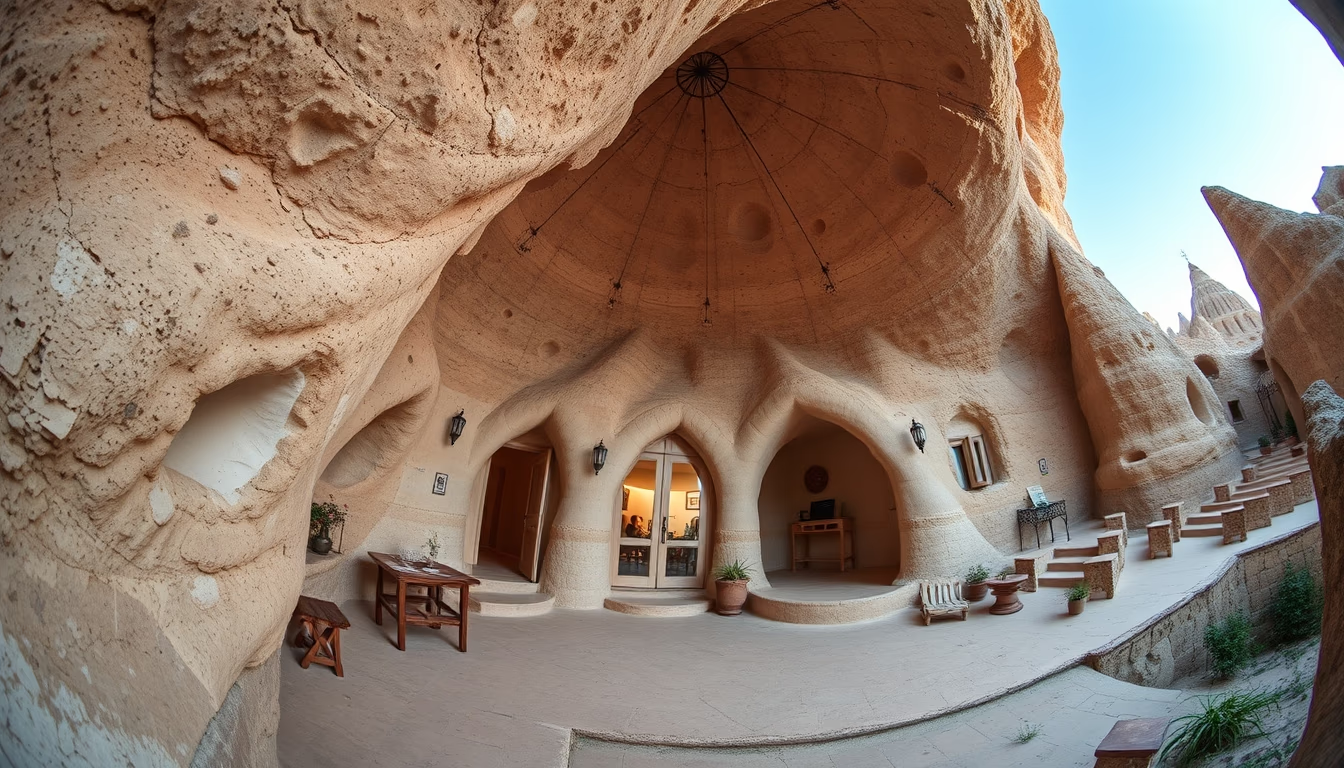
Cave house cappadocia
1344×768 · AVIF · CC BY 4.0
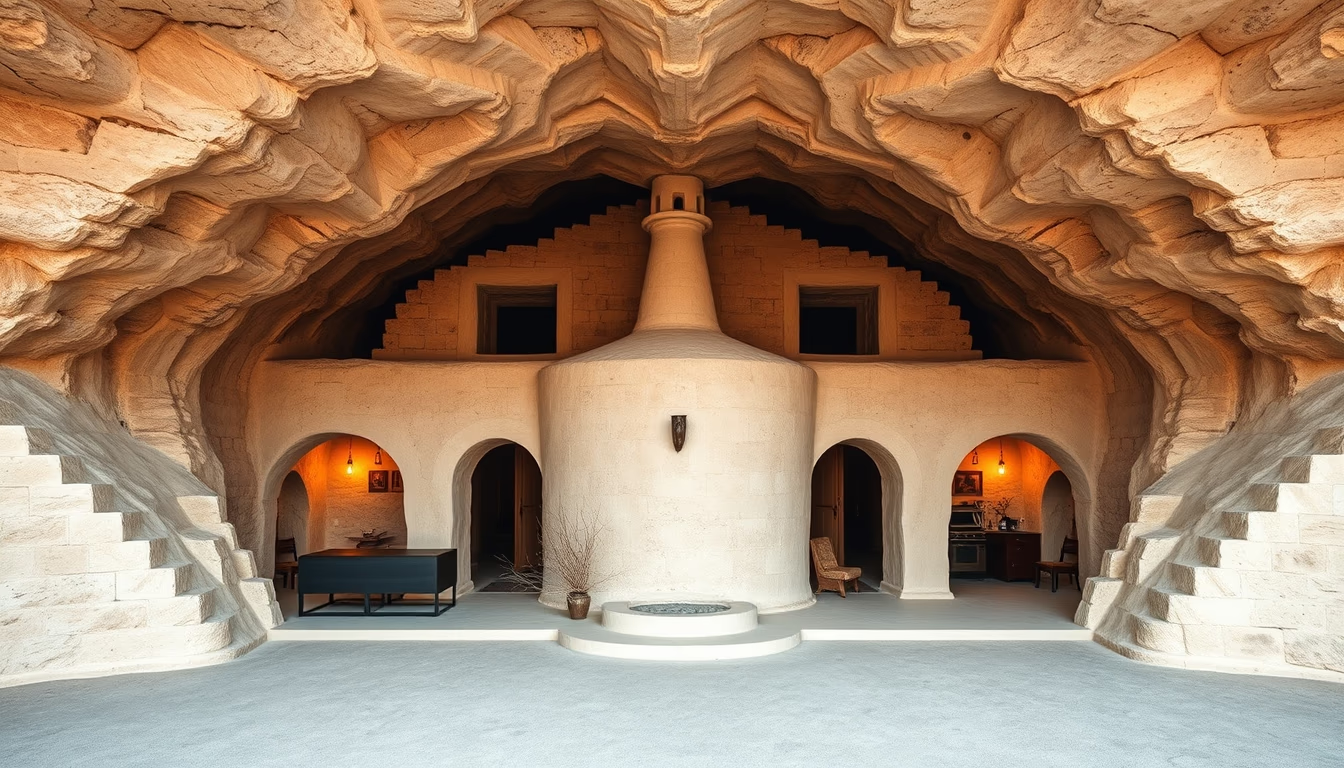
Cappadocia's cave houses, carved into volcanic rock, are unique examples of troglodyte architecture with over a thousand years of history.
About this subject
Cappadocia, in central Turkey, is globally known for its volcanic tuff rock formations, shaped by wind and water over centuries into fairy chimneys and enchanting valleys. It is here that local communities, since the Hittite era (around 2000 BCE), began carving dwellings into the rock, taking advantage of the soft tuff to create houses, churches, and even underground cities.
Cave houses are not mere natural grottos; they are meticulously carved structures with rooms, windows, doors, and ventilation systems. During the Byzantine period, many were expanded and adorned with frescoes, especially in the numerous rock-cut churches, such as those in the Göreme Open Air Museum, a UNESCO World Heritage site since 1985. Troglodyte architecture provided protection from invaders, efficient thermal insulation (cool in summer, warm in winter), and rational use of available resources.
Today, many of these houses have been restored and turned into boutique hotels, known as cave hotels, attracting tourists worldwide. However, preservation faces challenges: natural erosion, unregulated tourism, and the need for restoration techniques compatible with the fragile rock. The region is also famous for hot air balloon rides at dawn, offering panoramic views of the formations and carved dwellings.
Interestingly, Cappadocia hosts one of the world's largest networks of underground cities, such as Derinkuyu and Kaymaklı, reaching up to 18 levels deep and capable of sheltering thousands of people. These cities were connected by tunnels and included everything from stables to wineries, demonstrating human ingenuity in adapting to the terrain and defense needs.
Frequently Asked Questions
How were the cave houses of Cappadocia built?
They were manually carved into the soft volcanic tuff rock, which hardens when exposed to air. Simple tools like pickaxes and chisels were used over centuries to shape rooms, windows, and doors.
What is the best time to visit Cappadocia?
Spring (April to June) and autumn (September to October) offer mild weather and fewer crowds. Winter can bring snow, creating a stunning landscape, but balloon flights may be canceled.
Are cave houses still inhabited today?
Yes, many have been modernized and are used as private homes, guesthouses, or hotels. Some local families still live in traditional cave houses, preserving the troglodyte lifestyle.
Direct URL
https://pub-c7d6a6ea828543ac903a74a341ccb2e1.r2.dev/imagens/cave-house-cappadocia-architectural-photography-fresh11.avifHow to credit
Include a visible link back to UtilizAí. Copy one of the snippets below:
<a href="https://xn--utiliza-eza.com/en/midia/imagens/cave-house-cappadocia-architectural-photography-fresh11">Cave house cappadocia</a> by <a href="https://xn--utiliza-eza.com">UtilizAí</a>, licensed under <a href="https://creativecommons.org/licenses/by/4.0/">CC BY 4.0</a>.
[Cave house cappadocia](https://xn--utiliza-eza.com/en/midia/imagens/cave-house-cappadocia-architectural-photography-fresh11) by [UtilizAí](https://xn--utiliza-eza.com), CC BY 4.0
License: CC-BY-4.0