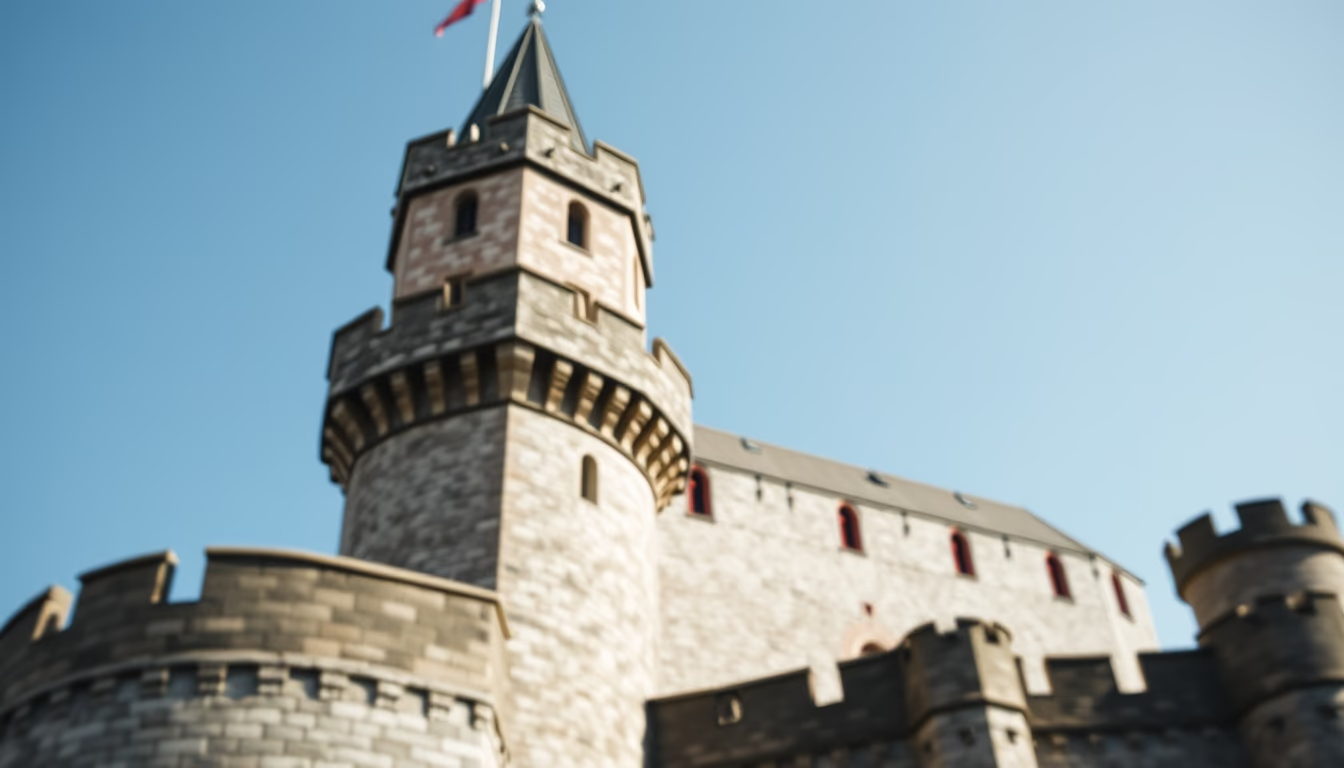
Castle tower medieval
1344×768 · AVIF · CC BY 4.0
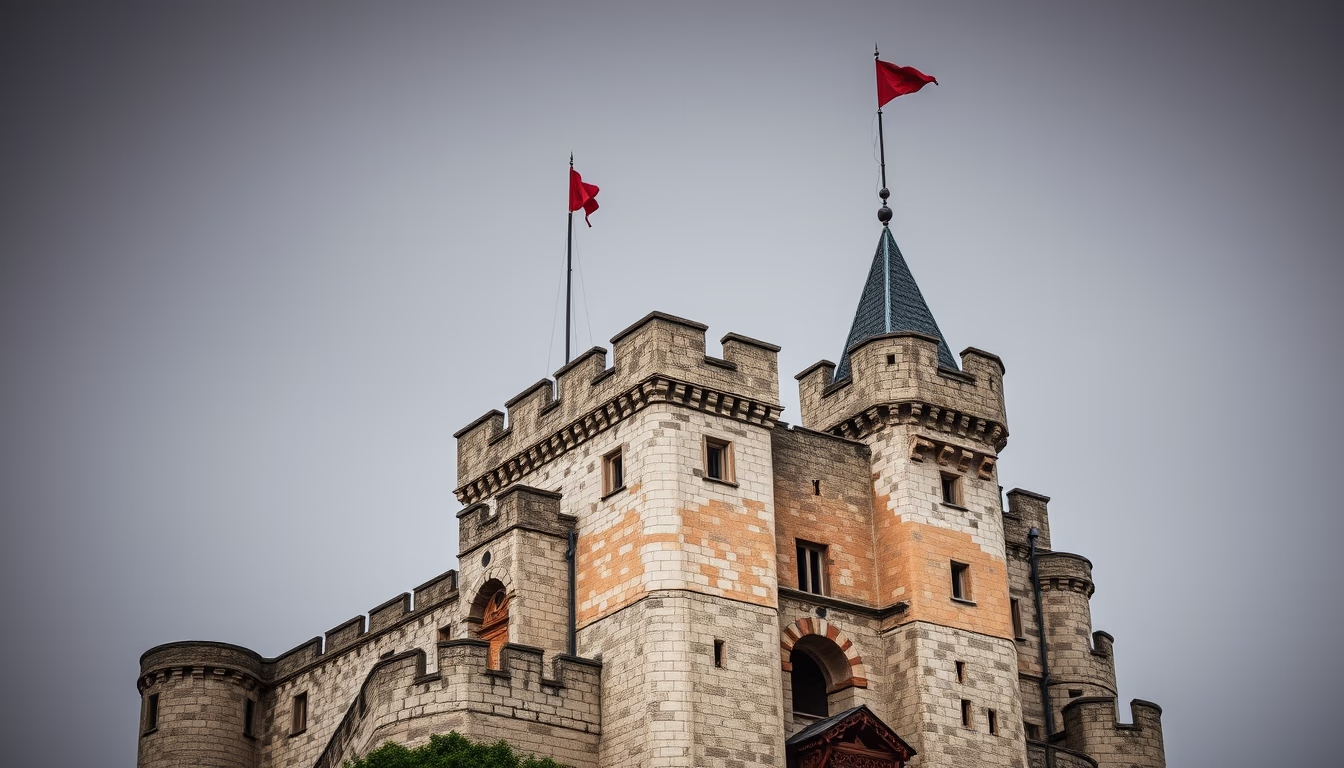
Medieval castle tower, a defensive structure that dominated the European landscape from the 9th to the 15th century.
About this subject
The medieval castle tower, also known as the keep or donjon, was the defensive and symbolic heart of a fortress. Built primarily between the 9th and 15th centuries, these towers served as a last refuge during invasion, housing the lord's residence and supply stores. Their imposing height allowed surveillance for miles, while thick stone walls withstood battering rams and catapults.
Towers varied in shape: square, rectangular, or circular. Round towers, like those at Krak des Chevaliers, were more impact-resistant and reduced blind spots. Square towers, common in Norman architecture, offered more interior space but were vulnerable to tunneling. Access via drawbridge and elevated doorways hampered enemy entry. Inside, narrow spiral staircases gave defenders the upper hand.
Beyond warfare, towers symbolized power and prestige: taller and more ornate towers indicated greater wealth. Some European towers, such as the Tower of London (built in the 11th century), became prisons and royal treasuries. In Brazil, while medieval castles are absent, colonial fortifications like Fort Copacabana (20th century) drew from this defensive tradition.
Today, many medieval towers are UNESCO World Heritage sites, such as the Belém Tower in Portugal. They attract millions of visitors annually, eager to understand feudal life and medieval military engineering. Modern restoration uses archaeological techniques to preserve these monuments, ensuring the towers continue to narrate tales of battles and daily medieval life.
Frequently Asked Questions
What was the average height of a medieval castle tower?
It varied by region and purpose. Common keeps ranged from 15 to 30 meters, but some, like the Leaning Tower of Pisa (12th century), reach 56 meters.
Why were some medieval towers round and others square?
Round towers better resisted projectile impacts and made tunneling difficult. Square towers were cheaper and offered more interior space but had vulnerable blind spots.
Do medieval castle towers still exist today?
Yes, many have been preserved or restored. Examples include the Tower of London (England), Belém Tower (Portugal), and Chillon Castle (Switzerland), open to visitors.
Direct URL
https://pub-c7d6a6ea828543ac903a74a341ccb2e1.r2.dev/imagens/castle-tower-medieval-studio-editorial-portrait-p3.avifHow to credit
Include a visible link back to UtilizAí. Copy one of the snippets below:
<a href="https://xn--utiliza-eza.com/en/midia/imagens/castle-tower-medieval-studio-editorial-portrait-p3">Castle tower medieval</a> by <a href="https://xn--utiliza-eza.com">UtilizAí</a>, licensed under <a href="https://creativecommons.org/licenses/by/4.0/">CC BY 4.0</a>.
[Castle tower medieval](https://xn--utiliza-eza.com/en/midia/imagens/castle-tower-medieval-studio-editorial-portrait-p3) by [UtilizAí](https://xn--utiliza-eza.com), CC BY 4.0
License: CC-BY-4.0